Declassified UFO / UAP Document
AIR INTELLIGENCE INFORMATION REPORT: Unidentified Flares in Newfoundland Area
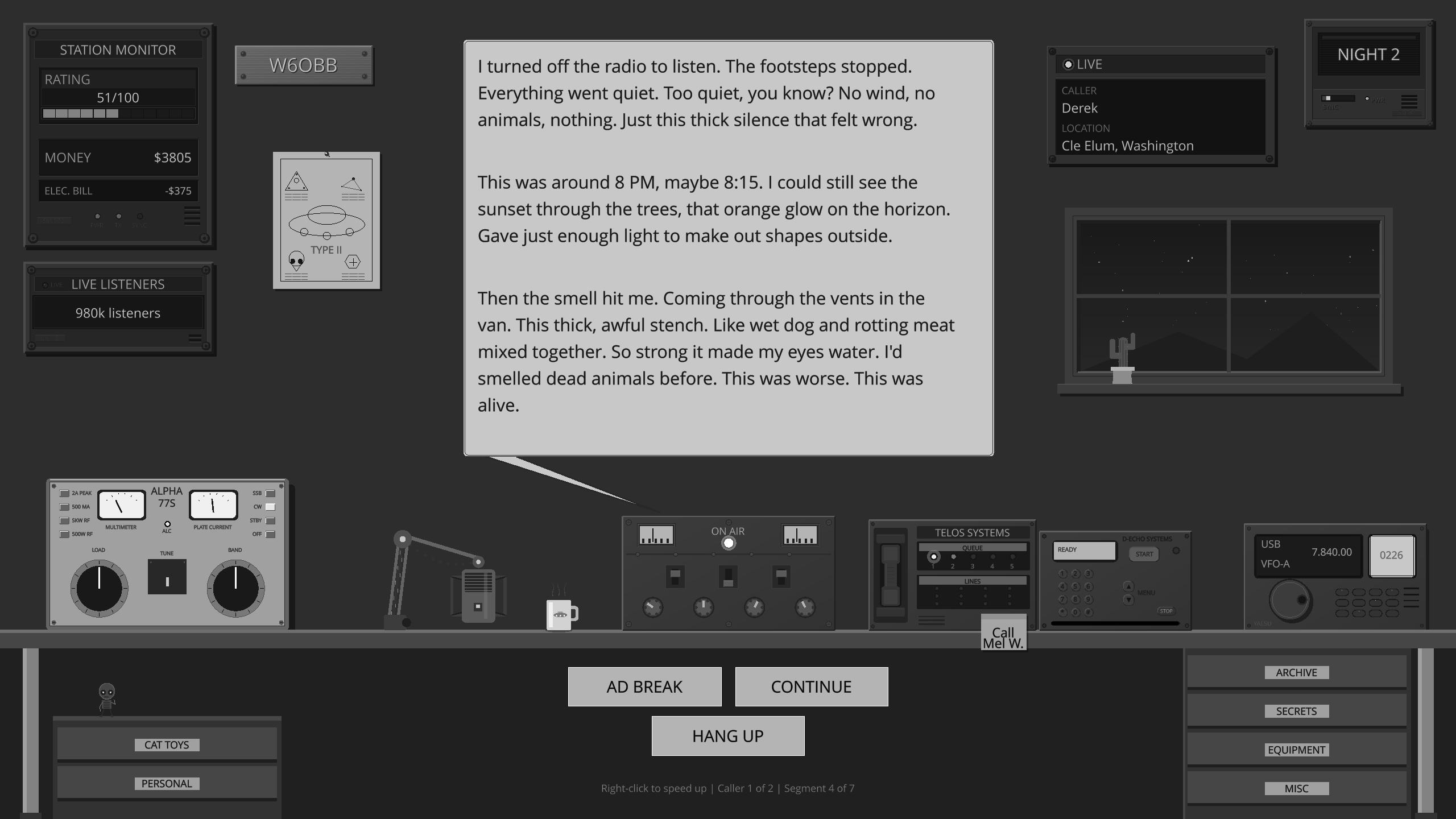
Ever wanted to host your own late-night paranormal radio show?
Across the Airwaves
You're on the air. Callers bring Mothman, Fresno Nightcrawlers, UFO sightings, reptilian autopsies, and whispers about AATIP and Project Blue Book. Every reply shapes how the night goes.

AI-Generated Summary
This report documents the investigation of an unidentified white flare sighting by an R-5D aircraft crew near Newfoundland in November 1951. Investigators concluded that the sighting was likely a visual illusion caused by a ground beacon or a meteor, noting the difficulty of identifying objects in unlighted, high-visibility conditions.
This Air Intelligence Information Report, dated December 19, 1951, details an investigation into an unidentified aerial phenomenon reported on November 3, 1951. At 0006Z, the crew of an R-5D aircraft (#542) flying at 8,000 feet observed a brilliant white flare ascending through an undercast. The location was approximately 60 miles east of St. Pierre, Pierre Island. The crew described the object as a rocket-type flare with a tail, moving from east to west with a downward path, lasting approximately two seconds. Subsequent inquiries with Cander Airport, Halifax, and the US Coast Guard at Argentia confirmed no other aircraft or surface vessels were operating in the area at the time. A search mission conducted by an SA-10 aircraft (#4058) at 5,000 feet found no evidence of the object, though the crew did observe four surface vessels and a powerful rotating white beacon at St. Pierre. The pilot of the SA-10 suggested that the St. Pierre beacon might have been mistaken for a flare when viewed over the edge of the undercast. During the investigation, the SA-10 was diverted to check a second report from a Pan American flight (No. 120) that claimed to have seen a descending green flare near Wesleyville, Newfoundland. The pilot of the SA-10 expressed doubt that the Pan American crew could have accurately identified a flare from 15,000 feet, noting that the area was unlighted and prone to visual illusions. The final assessment by Captain Harold S. Julin concluded that the extreme visibility conditions and the darkness of the unlighted surface areas likely contributed to visual illusions. The official report notes that while the St. Pierre beacon theory was plausible, there was insufficient data to definitively explain the original sighting, with a meteor being suggested as a secondary possibility.
The overall evaluation of the investigation by Captain Julin was that the extreme visibility, combined with the extreme surface darkness of unlighted areas, created many illusions which easily could have confused a pilot.
PDF not loading? Download the PDF directly
Official Assessment
The pilot's opinion was that the St. Pierre beacon may have appeared over the edge of the undercast and been mistaken by the R-5D pilot for a flare. INSUFFICIENT DATA to substantiate this conclusion since reporting witness stated that flare came up through the undercast. Debriefing upon landing indicates that object more probably a meteor. Flight direction is West.
The investigation concluded that the sighting was likely a misidentification of a ground beacon or a meteor, though data was insufficient to confirm.
Witnesses
- F L JonesLCDRR-5D #542 crew
- L O FortnerLTR-5D #542 crew
- Harold S. JulinCaptainPilot, SA-10 #4058
Key Persons
- William L. TravisLt Colonel, USAF, Chief, Intelligence Division