Declassified UFO / UAP Document
Investigation of Alleged 'Flying Saucers' — Ft. Worth, Texas, April 1950
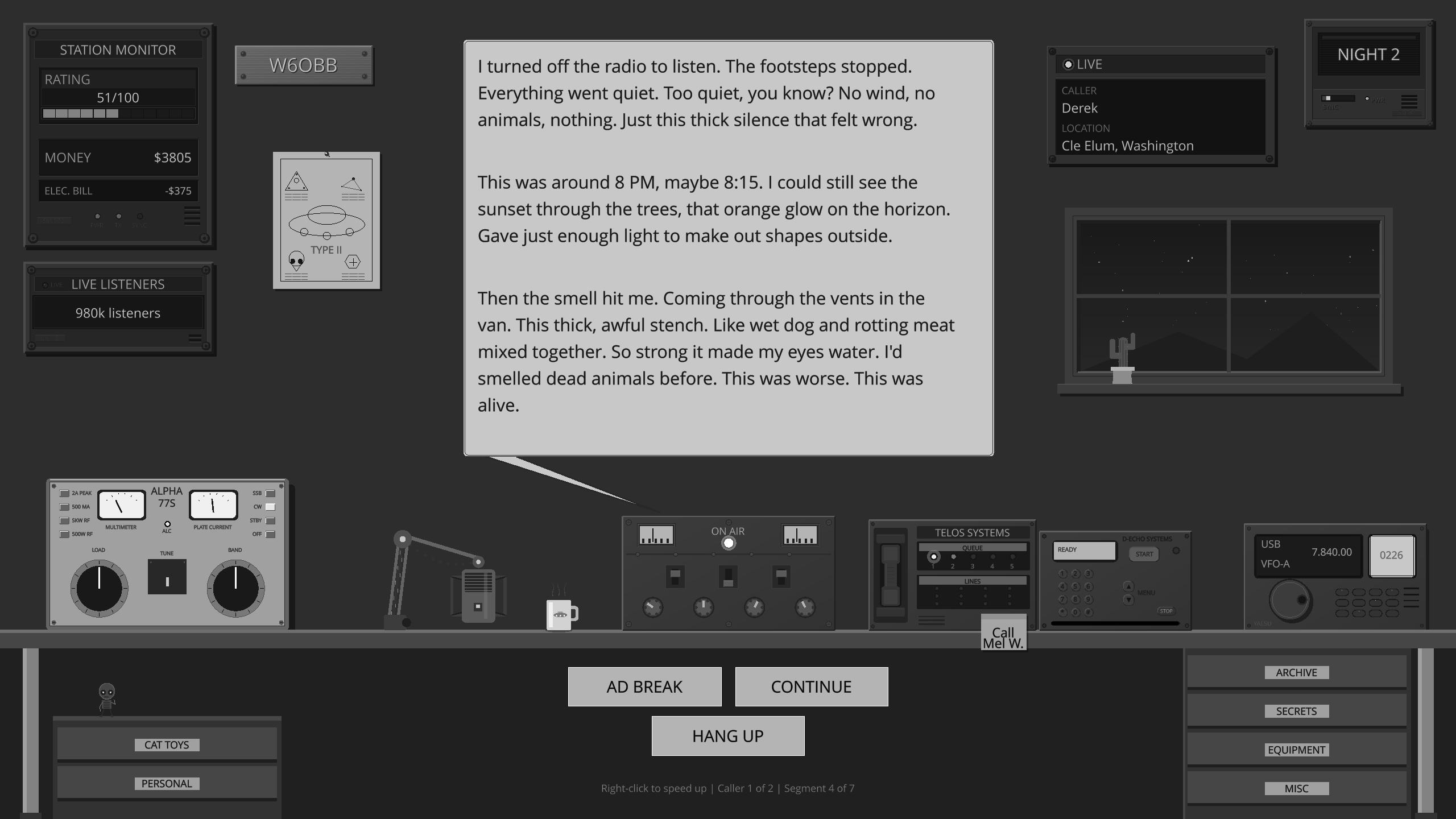
Ever wanted to host your own late-night paranormal radio show?
Across the Airwaves
You're on the air. Callers bring Mothman, Fresno Nightcrawlers, UFO sightings, reptilian autopsies, and whispers about AATIP and Project Blue Book. Every reply shapes how the night goes.

AI-Generated Summary
An investigation into photographs of 'flying saucers' taken by Ira Maxey in Fort Worth, Texas, concluded that the images were the result of film abrasions rather than actual aerial objects. Military authorities found no corroborating radar evidence and noted inconsistencies in the witness's testimony.
This intelligence report details the investigation into a widely publicized sighting of 'flying saucers' in Fort Worth, Texas, on April 9, 1950. The incident gained national attention after the Fort Worth Star-Telegram published a front-page story featuring photographs taken by Ira Maxey, a veteran radar bombardier. Maxey claimed to have observed two groups of three crescent-shaped, noiseless objects emerging from a thunderhead and traveling northeast, which he subsequently photographed. The report notes that the publication of these images caused significant public comment, marking the first time such photographs had appeared in the press. Upon investigation, military authorities interviewed Maxey and obtained the original negatives. A technical analysis conducted by photo technicians at Carswell Air Force Base concluded that the 'objects' visible in the photographs were not actual aerial craft, but rather physical abrasions or crimps on the film negatives, likely caused by mishandling during the development process. The report highlights discrepancies between Maxey's initial public account and his statements during the military interview. Furthermore, the investigating officer, Major Dalton Smith, noted that Maxey appeared nervous throughout the interview and made additional, unsubstantiated claims regarding a previous sighting of a Russian atomic blast and his attempts to report it to the FBI. Local radar installations confirmed that no unusual activity was detected at the time of the sighting. The document concludes that the evidence provided by the photographs was the result of technical error rather than an encounter with unconventional aircraft. The report includes several enclosures, including the original newspaper clippings, the photographs in question, and a weather report, and is marked as unclassified with specific downgrading instructions.
A study of the negatives by photo technicians at this headquarters indicates that 'objects' are abrasions or crimps on the negatives resulting from mishandling during or prior to the developing process.
PDF not loading? Download the PDF directly
Official Assessment
A study of the negatives by photo technicians at this headquarters indicates that 'objects' are abrasions or crimps on the negatives resulting from mishandling during or prior to the developing process.
The reported flying objects were determined to be photographic artifacts (abrasions/crimps) rather than actual aerial craft.
Witnesses
- Ira Maxeyradar bombardierU. S. Air Force (veteran)
Key Persons
- Edwin K. KirtonLt Colonel, USAF, Director of Intelligence