Declassified UFO / UAP Document
Technical Analysis of a Cylindrical Zinc Object
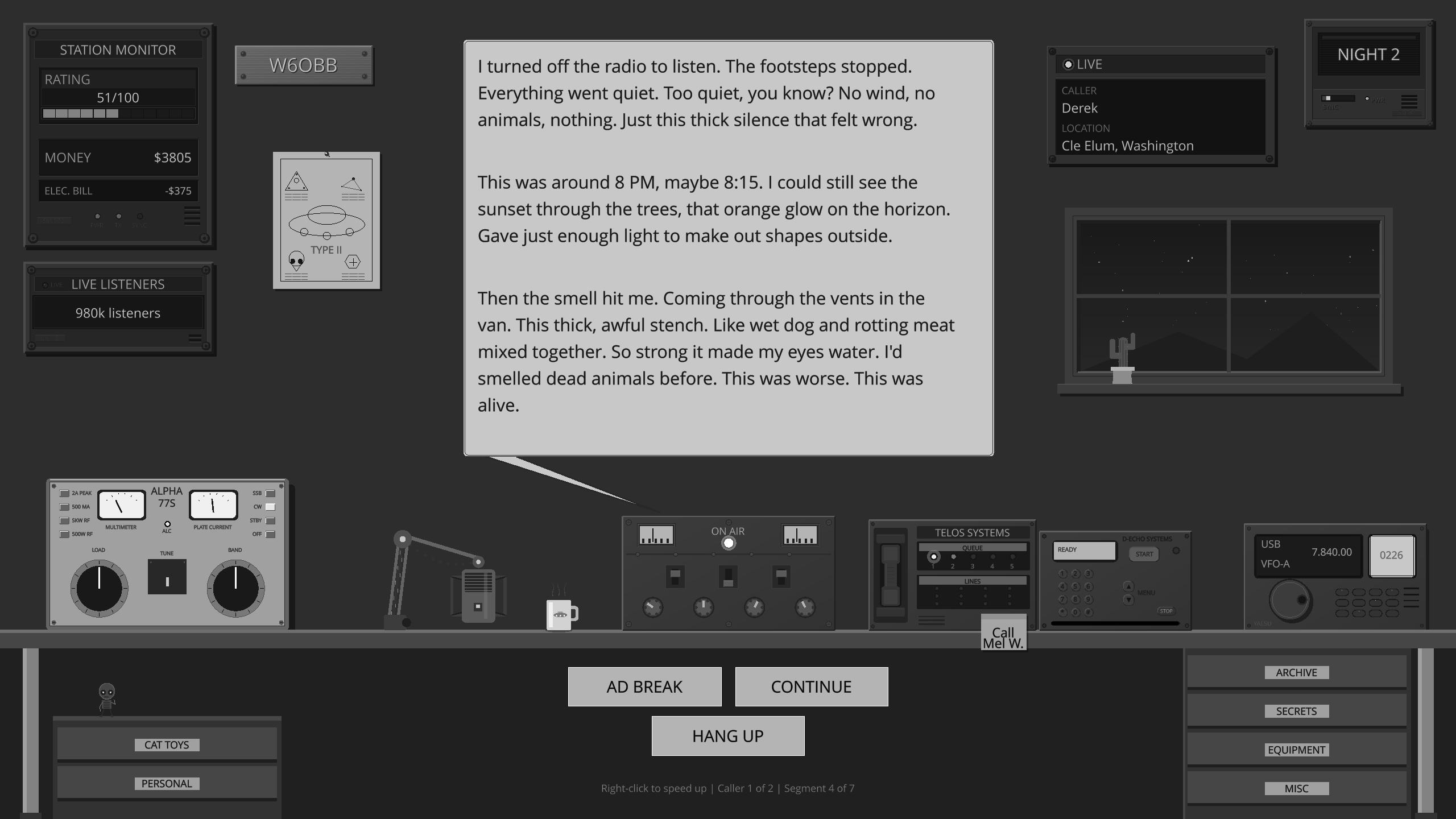
Ever wanted to host your own late-night paranormal radio show?
Across the Airwaves
You're on the air. Callers bring Mothman, Fresno Nightcrawlers, UFO sightings, reptilian autopsies, and whispers about AATIP and Project Blue Book. Every reply shapes how the night goes.

AI-Generated Summary
A technical analysis of a cylindrical zinc ring found that its origin is uncertain. An engineer suggested it might be a component from a First World War-era kerosene stove due to the material and casting characteristics.
This document, marked as page 14, provides a technical assessment of a cylindrical ring made of nearly pure zinc. An investigation was conducted at Väsbyverken, a facility known for zinc alloy die-casting. On September 16, 1946, an engineer named Andersson was consulted regarding the material. Andersson stated that pure zinc is currently rarely used for die-casting in Sweden, although it is still used in some casting processes. The object's coarse crystal structure indicates that it was either subjected to high heat or that a significant amount of time has passed since its manufacture, as the structure would have been much finer immediately after casting. Andersson suggested the possibility that the object could date back to the First World War and might have been part of a kerosene stove or similar item, as zinc casting was common during that period. Ultimately, the origin of the object remains undetermined. The report concludes that further inquiries are required, specifically with other companies in the foundry industry or larger hardware and houseware retailers, to identify the object's source.
Föremålets ursprung är således icke med säkerhet fastställt.
PDF not loading? Download the PDF directly
Official Assessment
The origin of the object is not determined with certainty.
The object is a cylindrical ring made of nearly pure zinc. An engineer named Andersson noted that pure zinc is rarely used for die-casting in Sweden today, though it was common during the First World War. The coarse crystal structure suggests the object was either heated to a high temperature or is very old. Further inquiries with other foundries or hardware stores are recommended.
Key Persons
- AnderssonEngineer