Declassified UFO / UAP Document
07-10, onsdag, Sundsvall (TT), nr 89 /Spökflyget...3/
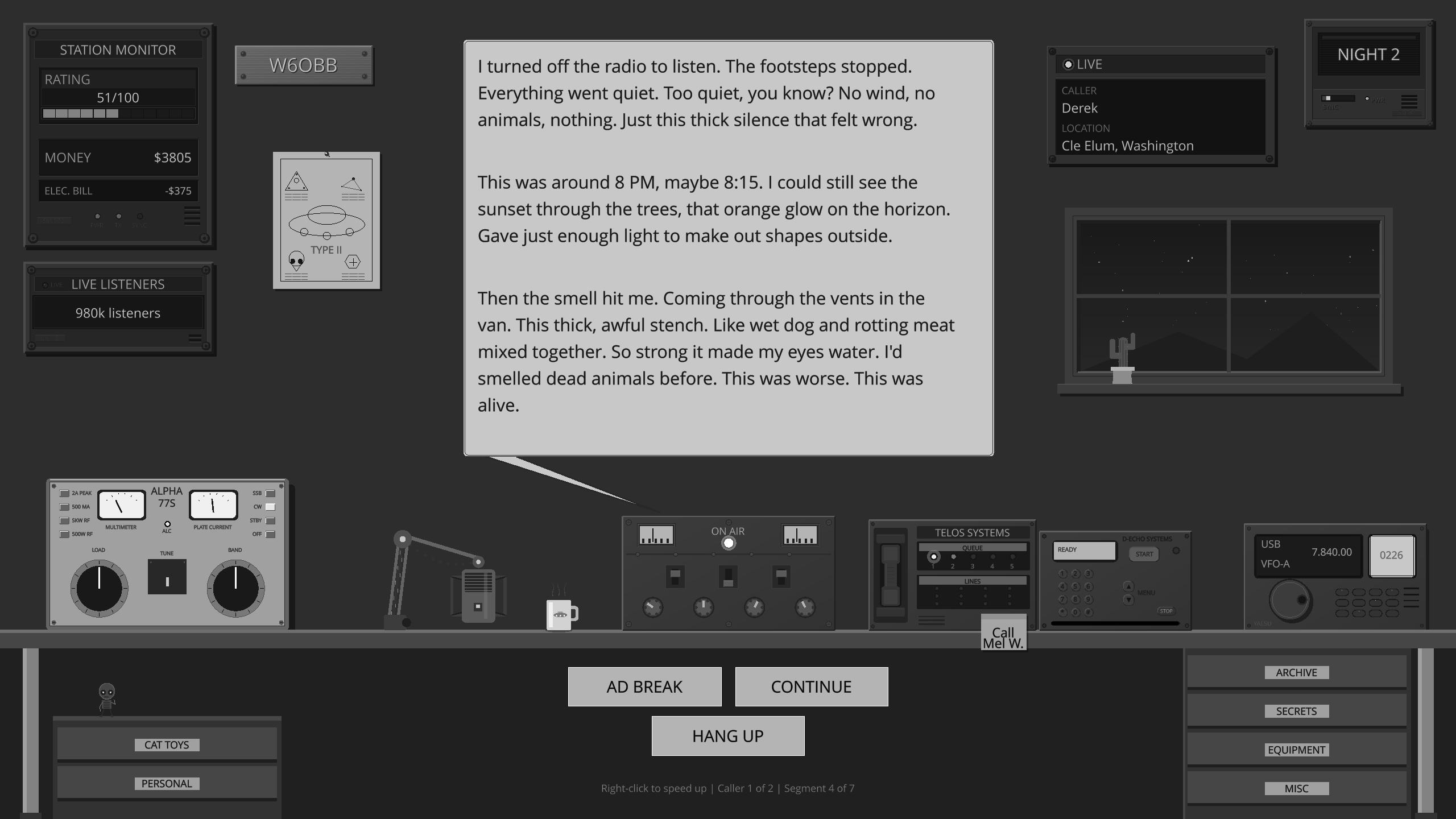
Ever wanted to host your own late-night paranormal radio show?
Across the Airwaves
You're on the air. Callers bring Mothman, Fresno Nightcrawlers, UFO sightings, reptilian autopsies, and whispers about AATIP and Project Blue Book. Every reply shapes how the night goes.

AI-Generated Summary
Following an incident, porous, coke-like fragments were recovered from a beach in Njurunda, Sweden. Preliminary analysis was conducted at a local laboratory, and one fragment showed evidence of high-heat contact with a cylindrical object.
This press report details the discovery of numerous porous, coke-like objects on the beach in Njurunda, Sweden, on Wednesday, July 10th. The objects, which were similar to those collected by an airline pilot named Linden on the previous Tuesday, were found in various colors, including black, rust-brown, and pink. These items were described as being roughly the size of a child's hand, lightweight, and potentially buoyant. Pilot Linden, who examined the site shortly after the reported impact, noted that some of the smaller, more compact pieces he recovered were still warm. Due to the presence of natural coke and other debris on the beach, the report notes that it is impossible to confirm that all collected items originated from the incident. A sample of the material was taken to the Kubikenborg cellulose laboratory, where Dr. B. Bäcklund performed a preliminary analysis. Additionally, a journalist discovered a unique rust-colored fragment featuring a semi-circular indentation. This specific piece appeared to have been pressed against a cylindrical object under intense heat, which seemingly protected the surface within the indentation from the erosion affecting the rest of the fragment.
Medan den rostfärgade bitens yta var ojämn och porös som alla andra exemplar av fynden, hade den här biten i centrum ett halvcirkelformat uttag, och det verkade som om denna bit under stark hetta tryckts mot ett runt, rörliknande föremål och därigenom undgått att få ytan där intill sönderfrätt.
PDF not loading? Download the PDF directly
Official Assessment
Objects found on the beach resemble coke and other debris, making it uncertain if all items are related to the incident. One fragment showed a semi-circular indentation, suggesting it had been pressed against a cylindrical object under high heat.
Witnesses
- LindenTrafikflygare
Key Persons
- B. BäcklundDoctor at Kubikenborgs cellulosalaboratorium