Declassified UFO / UAP Document
Response to Mr. Brad C. Sparks regarding Intelligence Advisory Committee minutes and report on Unidentified Flying Objects
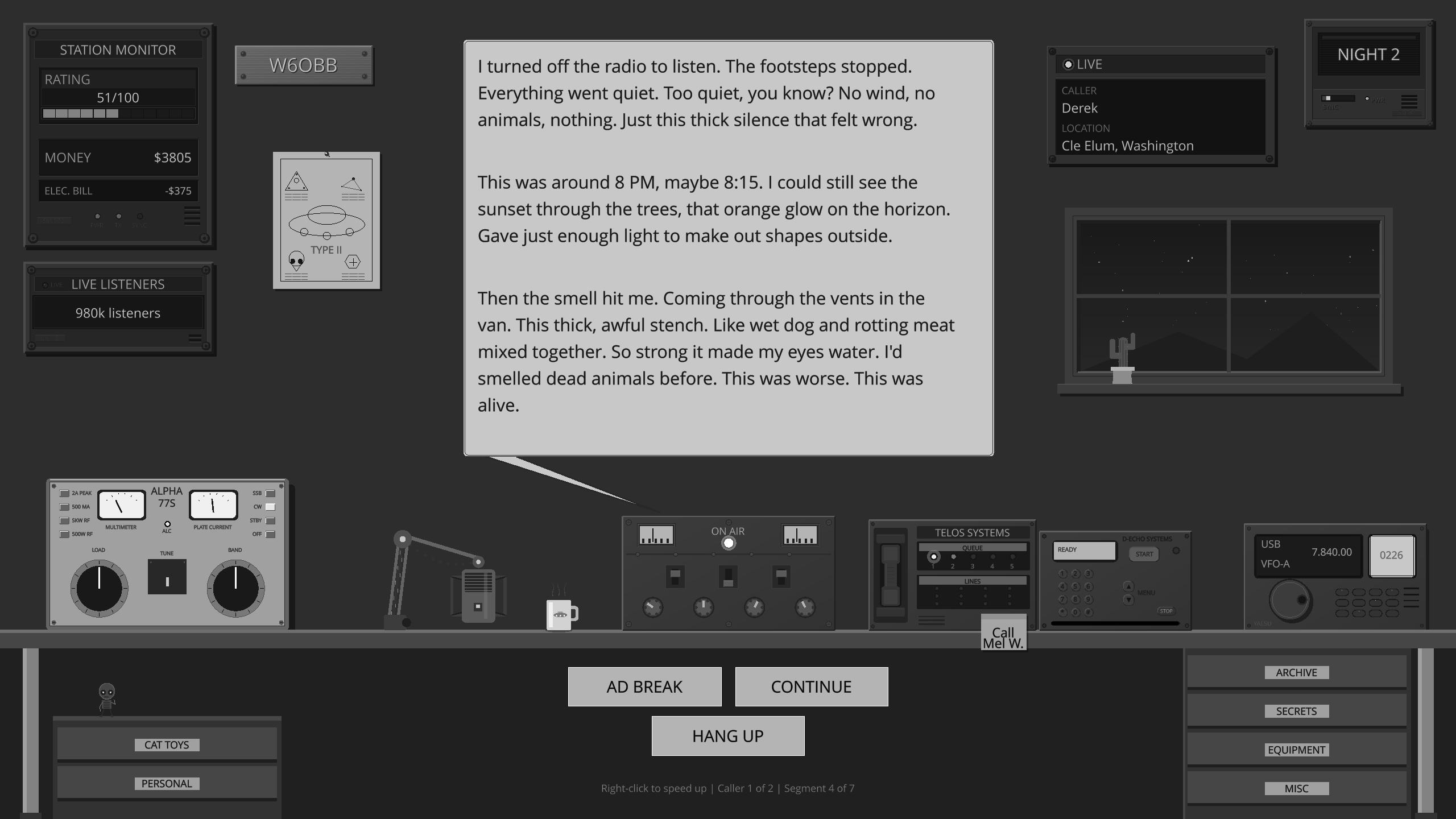
Ever wanted to host your own late-night paranormal radio show?
Across the Airwaves
You're on the air. Callers bring Mothman, Fresno Nightcrawlers, UFO sightings, reptilian autopsies, and whispers about AATIP and Project Blue Book. Every reply shapes how the night goes.

AI-Generated Summary
This 1974 letter provides historical documentation to Brad C. Sparks regarding the 1952-1953 Intelligence Advisory Committee review of UFOs. It confirms that the official conclusion of the review was that UFOs did not pose a direct physical threat to national security.
This document is a formal letter dated 5 November 1974, written by Bruce A. Lowe, Executive Secretary, to Mr. Brad C. Sparks of Berkeley, California. The letter serves as a response to Mr. Sparks' inquiry dated 21 October 1974. In this correspondence, Lowe provides two specific historical documents requested by Sparks: a copy of the minutes from the 4 December 1952 meeting of the Intelligence Advisory Committee regarding the discussion of 'Unidentified Flying Objects,' and a copy of the 'Report on Unidentified Flying Objects' dated 17 January 1953. The letter explains that following the 1952 meeting, selected scientists reviewed and appraised the available evidence on the subject. The author notes that the Panel concluded the evidence did not indicate that these phenomena posed a direct physical threat to national security, and consequently, no National Security Council Intelligence Directive (NSCID) was drafted.
In view of the conclusion of the Panel that the evidence presented on unidentified flying objects showed no indication that these phenomena constitute a direct physical threat to national security, no National Security Council Intelligence Directive (NSCID) was drafted.
PDF not loading? Download the PDF directly
Official Assessment
the evidence presented on unidentified flying objects showed no indication that these phenomena constitute a direct physical threat to national security
The Panel concluded that the evidence did not indicate a direct physical threat to national security, which resulted in no National Security Council Intelligence Directive (NSCID) being drafted.
Key Persons
- Brad C. SparksRecipient of the correspondence