Declassified UFO / UAP Document
Space Surveillance System Described
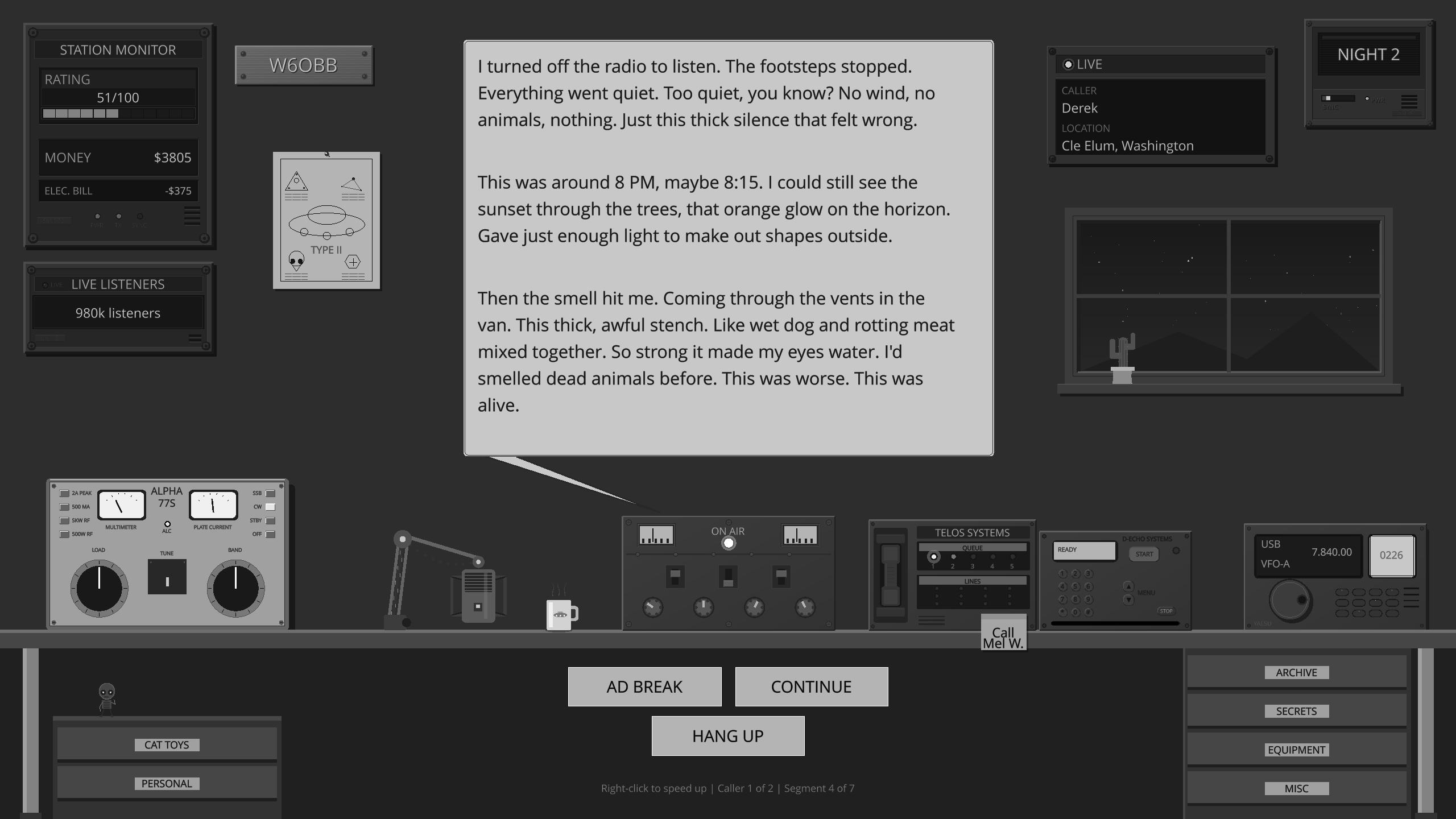
Ever wanted to host your own late-night paranormal radio show?
Across the Airwaves
You're on the air. Callers bring Mothman, Fresno Nightcrawlers, UFO sightings, reptilian autopsies, and whispers about AATIP and Project Blue Book. Every reply shapes how the night goes.

AI-Generated Summary
This report outlines the capabilities and history of the Soviet space monitoring system (SKKP) in 1990. It details the system's role in tracking over 20,000 orbital objects for strategic defense and intelligence purposes.
This document is a 1990 JPRS report detailing the operations of the Soviet space monitoring system, known as SKKP. The report describes the facility as a high-security command post equipped with displays and screens used to monitor the 'cosmos.' According to Colonel G. Kovsh, the system tracks over 20,000 objects in orbit, including active and inactive satellites and debris. The system was developed to address the dangers posed by the increasing clutter in outer space and the military implications of foreign satellite deployments. The report highlights the evolution of the system from its inception in the 1960s, noting that initial tracking methods using optical systems from the USSR Academy of Sciences and the Air Defense Troops became inadequate. Consequently, powerful missile attack warning and antimissile defense radars were integrated to handle the massive influx of data. The center maintains detailed files on individual satellites, including their coordinates, capabilities, and behavior, which allows for the identification and tracking of specific foreign reconnaissance satellites, such as the U.S. Ferret-D. The document provides a specific historical example from September 1983, where the system allegedly tracked a South Korean Boeing-747 in synchronization with a Ferret-D satellite, providing data that the Soviet side used to claim the aircraft's intrusion into Soviet airspace was intentional. The report also profiles the personnel operating the center, emphasizing their high level of education, military training, and professionalism. It mentions the involvement of the center in emergency situations, such as the recovery of the Salyut-7 station, and notes the ongoing monitoring of foreign space programs, including the U.S. 'Star Wars' initiative. The document concludes by reflecting on the importance of the center's work in the context of national security and the ongoing exploration of space, noting that the specialists remain dedicated to their mission despite the secrecy surrounding their activities.
More than 7,000 have been counted, active and inactive satellites.... We are talking about those that are placed in orbit. All told there are more than 20,000 flying objects--outer space is cluttered.
PDF not loading? Download the PDF directly
Official Assessment
The Soviet space monitoring system (SKKP) tracks over 20,000 objects in orbit to maintain strategic deterrence and monitor space activity, including foreign reconnaissance satellites and debris.
Key Persons
- V. NikolskiyColonel
- G. KovshChief of the department
- N. BuslenkoSpecialist in space tracking
- G. RyabovSpecialist in space tracking
- V. MinayevOperations duty officer
- Ya. TsymbalistyyMember of the team
- N. DavydovMajor
- Yaroslav TsymbalistyySpecialist
- Yu. GorobchukOfficer
- V. ZyubinOfficer
- M. ChernovOfficer
- Vladimir DzhanibekovCosmonaut
- Viktor SavinykhCosmonaut