Declassified UFO / UAP Document
Physical Analyses in Ten Cases of Unexplained Aerial Objects with Material Samples
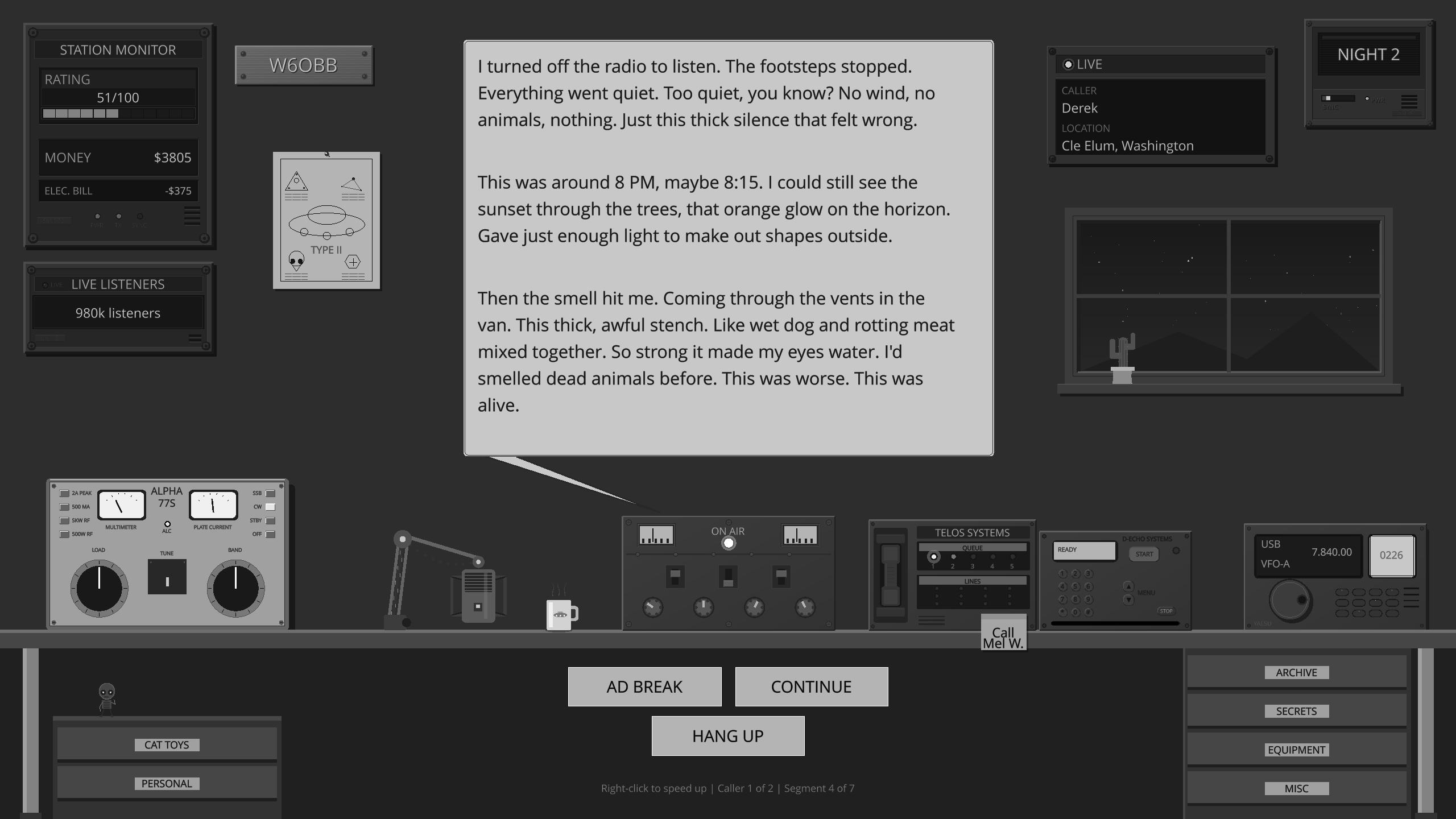
Ever wanted to host your own late-night paranormal radio show?
Across the Airwaves
You're on the air. Callers bring Mothman, Fresno Nightcrawlers, UFO sightings, reptilian autopsies, and whispers about AATIP and Project Blue Book. Every reply shapes how the night goes.

AI-Generated Summary
This academic paper analyzes physical material samples recovered from ten cases of unexplained aerial phenomena. The author concludes that while the materials are composed of common terrestrial elements, the consistency of the samples with witness reports warrants further scientific study.
This paper, authored by Jacques F. Vallee and published in the Journal of Scientific Exploration in 1998, provides a methodological survey of ten cases of unexplained aerial phenomena where physical material samples were recovered. Vallee establishes four criteria for inclusion: sufficient evidence of an unusual aerial phenomenon, documented recovery circumstances, a link between the specimen and the object, and analysis by a competent laboratory. The author utilizes the Hatch catalogue, which contains over 15,000 reports, to categorize these incidents using a system derived from J. Allen Hynek. The cases examined range from the 1897 Aurora, Texas, incident to cases in the 1970s, including incidents in Brazil, Sweden, the United States, and Colombia. The physical samples are broadly classified into two categories: 'light materials' of high conductivity, such as aluminum and magnesium, and 'slag-like materials' reminiscent of industrial byproducts. Detailed analysis of the Council Bluffs, Iowa, incident (1977) is provided as a primary case study, where molten metal was recovered and analyzed by Iowa State University and the Griffin Pipe Products company, ultimately being identified as carbon steel. Despite the lack of exotic elements or advanced structural designs in any of the ten cases, Vallee argues that the comparative analysis of these materials is valuable. He notes that the composition of the samples is often consistent with witness accounts, which supports the thesis that an unidentified phenomenon is manifesting through a physical, material support. The author concludes that the current polarization between advocates and adversaries of the extraterrestrial hypothesis has impoverished the debate, and he calls for better standards in data gathering, field investigation, and collaborative research to move beyond the current impasse.
The fact that no exotic composition was found in these ten cases cannot be used to negate the theory that an advanced technology of unknown origin may have generated the samples.
PDF not loading? Download the PDF directly
Official Assessment
The analysis of recovered samples shows they are composed of common terrestrial elements, often resembling industrial byproducts. No exotic elements or advanced technology structures were identified. The findings do not point to a clear hypothesis for the nature of the phenomena, but the consistency of the samples with witness accounts lends credibility to the reports.
Key Persons
- Larry HatchCompiler of the unexplained aerial phenomena catalogue
- Peter SturrockProfessor/Researcher
- Olavo FontèsResearcher
- Harold PuthoffResearcher