Declassified UFO / UAP Document
New BUFORA Journal - Issue 4 - October 2002
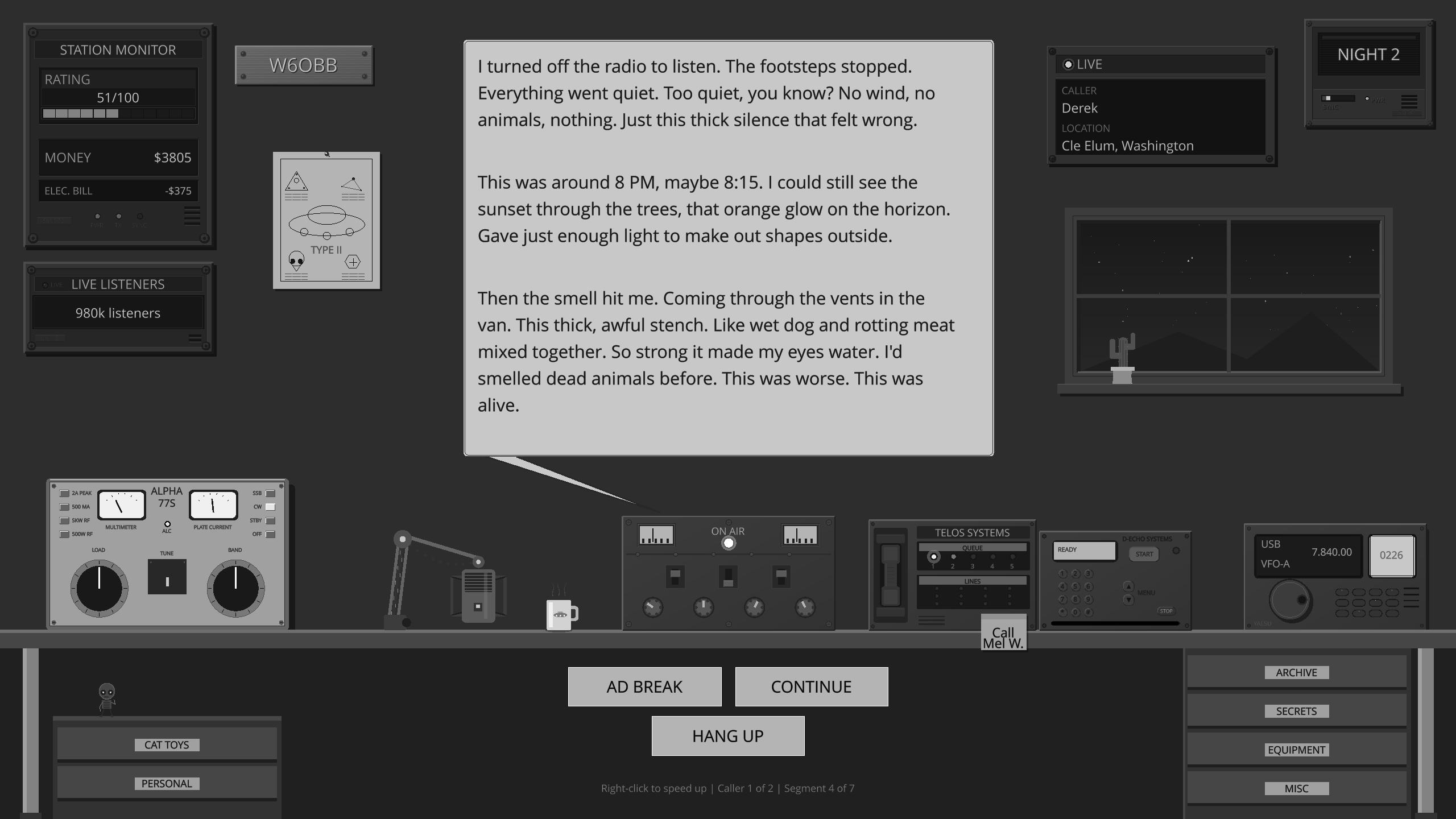
Ever wanted to host your own late-night paranormal radio show?
Across the Airwaves
You're on the air. Callers bring Mothman, Fresno Nightcrawlers, UFO sightings, reptilian autopsies, and whispers about AATIP and Project Blue Book. Every reply shapes how the night goes.
AI-Generated Summary
This journal issue compiles historical Welsh UFO sightings from the 1970s, analyzes the 1971 Lago de Cote photograph, and reports on contemporary global UAP activity. It serves as a record of BUFORA's ongoing research and investigative efforts.
The October 2002 edition of the New BUFORA Journal, published by the British UFO Research Association (BUFORA), serves as a compilation of historical and contemporary UFO reports, research, and book reviews. The journal features a detailed retrospective of the 1976-1977 'Dyfed Flap' in Wales, documenting numerous sightings of unidentified aerial phenomena, including reports from school children at Broad Haven and the experiences of the Coombs family at Ripperston Farm. These accounts describe various craft, often metallic or cigar-shaped, and occasional humanoid entities. The journal also includes a technical re-examination of the 1971 Lago de Cote photograph, questioning its authenticity due to lighting inconsistencies. International reports are also covered, specifically sightings in Sri Lanka, where a 'mysterious blue ball' was observed, and reports from Azerbaijan and Chile. The editor, Norman Oliver, provides commentary on the nature of these sightings, the challenges of investigating them, and the potential for 'anti-gravity' research by major aerospace corporations like Boeing. Additionally, the journal addresses the phenomenon of 'Circles of Light' in the United States and the UK, suggesting they may be reflections, though some witnesses remain unconvinced. The issue concludes with a 'Question Time' section addressing the physiological effects of abduction experiences, such as the smell of ammonia, and reviews of books by Lisette Larkins and Ziauddin Sardar.
It appears we may accept intercourse but not nudity, flying aliens but not pancake (or 'cookie') distributors. Or is it that at some time or another a 'top' researcher has lent support to one and not the other, so that, lemming-like, as in many other fields, we accept the judgement of the 'expert' ?
PDF not loading? Download the PDF directly
Key Persons
- Peter DoyeChairman, BUFORA
- Heather DixonDirector of Investigations, BUFORA
- John SpencerDirector of Research, BUFORA
- Lionel FanthorpePresident, BUFORA
- TrevorWitness to 1975 Machynlleth sighting
- Sir Arthur ClarkeCommentator on Sri Lankan UFO sightings
- Dr. Evgeny PodkletnovRussian scientist researching anti-gravity