Declassified UFO / UAP Document
Directions of Change in the Air Defense of Central European Countries Following the Transformation of Their Systems of Society
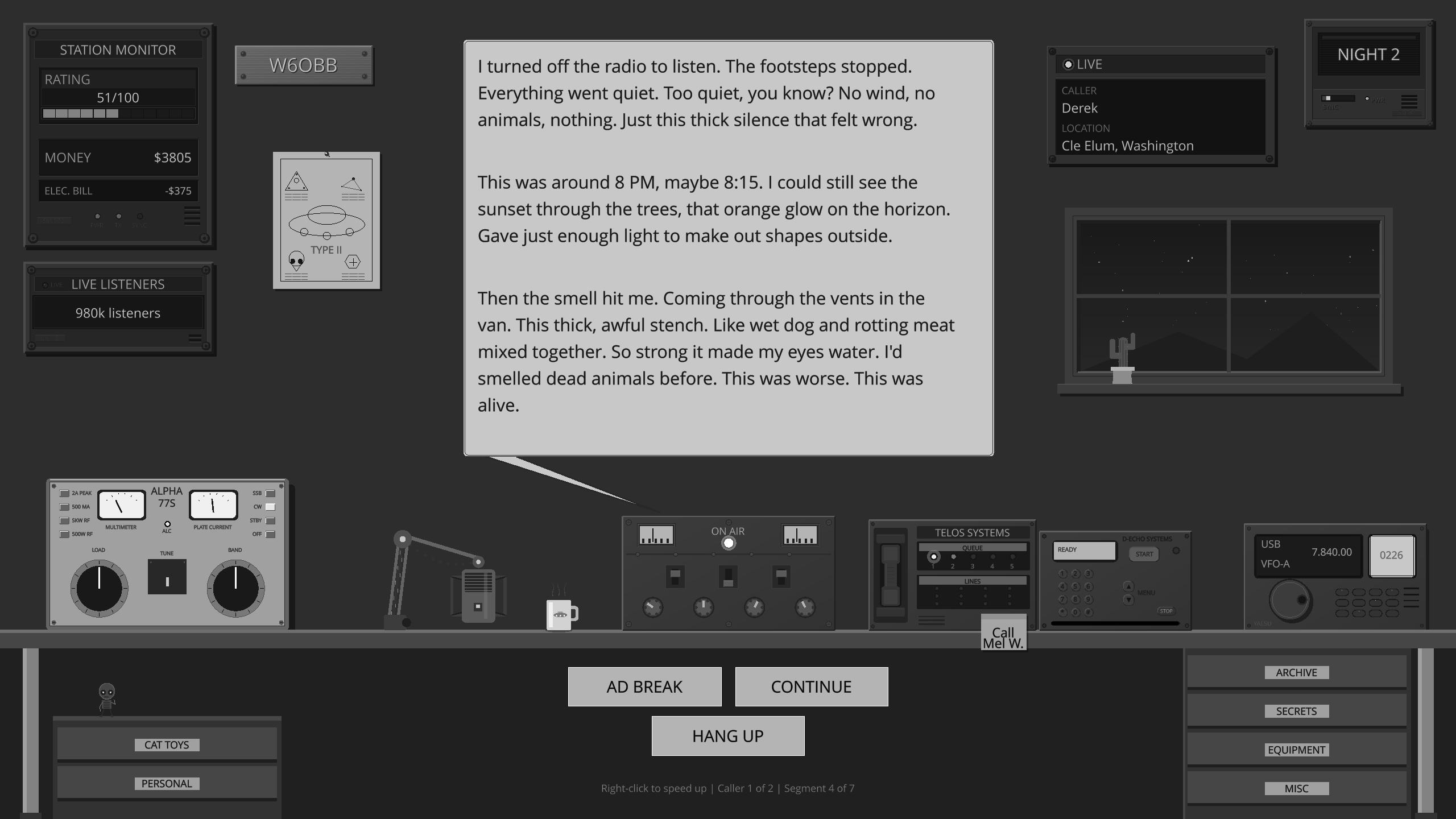
Ever wanted to host your own late-night paranormal radio show?
Across the Airwaves
You're on the air. Callers bring Mothman, Fresno Nightcrawlers, UFO sightings, reptilian autopsies, and whispers about AATIP and Project Blue Book. Every reply shapes how the night goes.

AI-Generated Summary
This 1993 JPRS report outlines the strategic necessity for Poland to restructure its air defense system following the dissolution of the Warsaw Pact. It emphasizes the transition toward a sovereign, dual-purpose defense model capable of both peacetime monitoring and wartime combat readiness.
This document, authored by Col. Marian Kopczewski of the Higher Officers School of Antiaircraft Defense, provides a strategic assessment of the air defense requirements for Poland in the post-Warsaw Pact era. Writing in May 1993, Kopczewski analyzes the shifting geopolitical landscape of Central Europe, noting that the previous reliance on a collective Warsaw Pact air defense structure is no longer viable. He argues that Poland must develop a sovereign, flexible air defense model capable of addressing both peacetime monitoring and wartime threats. The author identifies various potential threats, ranging from economic and technological backwardness to the military potential of neighboring states, including the former USSR and Germany. A significant portion of the report focuses on the necessity of separating air defense into two distinct components: a national system for peacetime airspace control and deterrence, and a system for direct troop support during combat. The document also touches upon historical incidents of airspace violations, such as the 1983 Soviet downing of a Boeing 747 and the 1987 flight of Mathias Rust, to illustrate the dangers of error and the need for robust, well-trained air defense systems. Ultimately, the report advocates for an innovative approach to national defense that prioritizes the protection of Polish sovereignty while adapting to the new political and economic realities of the region.
Any unidentified flying object used to be interpreted by people as the beginning of World War III.
PDF not loading? Download the PDF directly
Official Assessment
The document argues that the dissolution of the Warsaw Pact necessitates a radical restructuring of Polish air defense. It emphasizes the need for a dual-system approach (peacetime monitoring vs. wartime readiness) and highlights the importance of maintaining sovereignty and deterrence against potential threats in a complex geopolitical environment.
Key Persons
- Mathias RustPilot of a sports plane