Declassified UFO / UAP Document
Journal of Transient Aerial Phenomena Vol. 1 No. 2
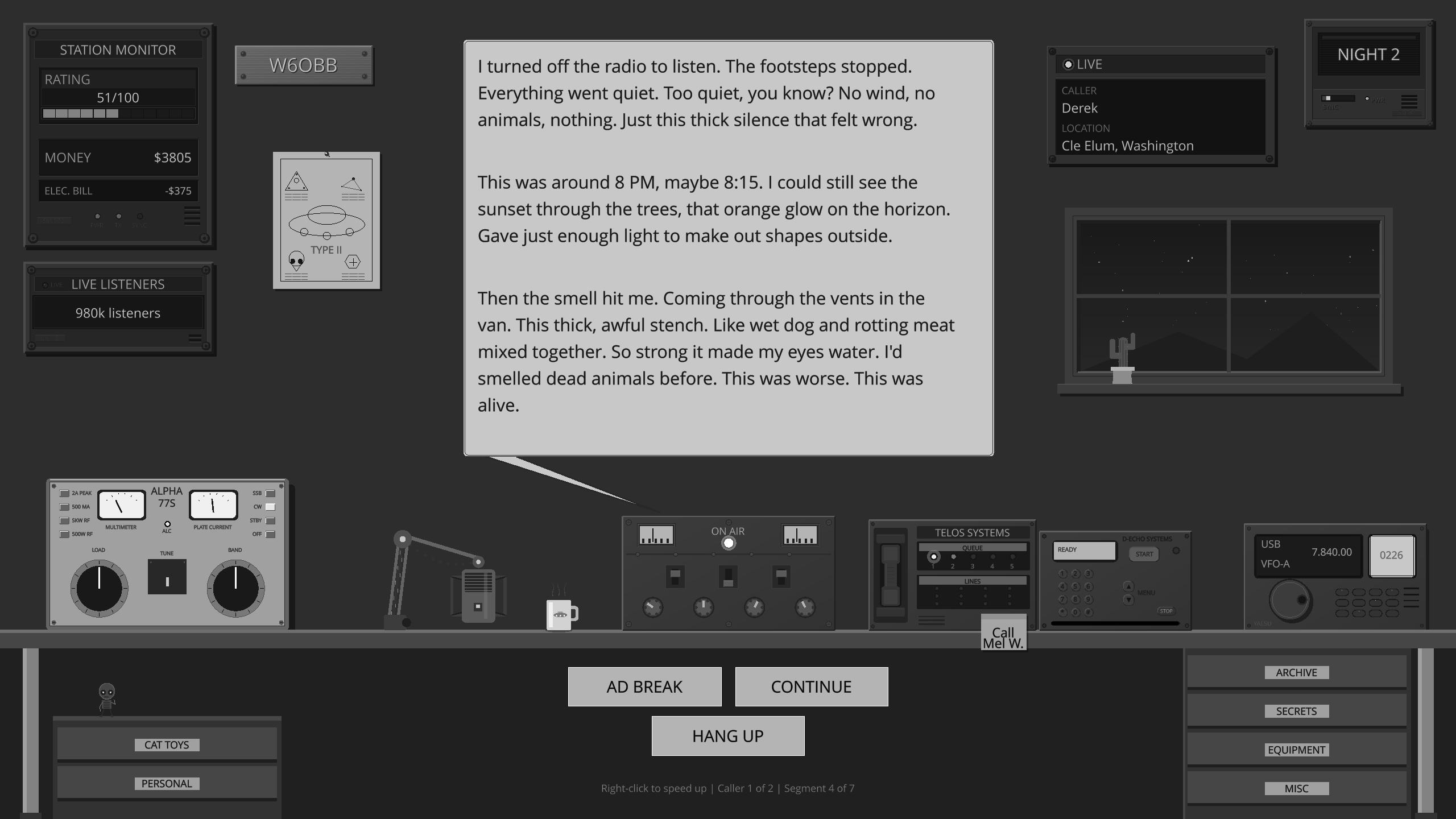
Ever wanted to host your own late-night paranormal radio show?
Across the Airwaves
You're on the air. Callers bring Mothman, Fresno Nightcrawlers, UFO sightings, reptilian autopsies, and whispers about AATIP and Project Blue Book. Every reply shapes how the night goes.

AI-Generated Summary
This journal issue details the formation of an international UFO research committee and provides a comprehensive report on the 1979 Livingston, Scotland, close encounter, which involved physical ground traces and witness injury.
This document is the March 1980 issue (Vol. 1, No. 2) of the 'Journal of Transient Aerial Phenomena,' published by the British UFO Research Association (BUFORA). The journal serves as a platform for serious, research-oriented investigation into UFOs and related phenomena, moving away from sensationalism. It features reports on the First London International UFO Congress, where a Provisional International Committee for UFO Research (PICUFOR) was established to standardize terminology and data processing. A significant portion of the journal is dedicated to the 'Livingston' case, a close encounter in Scotland involving Robert Taylor, a forester who reported a dome-shaped object and smaller 'mine-like' devices that left physical traces in the ground and caused him to lose consciousness. The journal also includes technical discussions on the use of photomultipliers to 'fingerprint' UFO light, the application of low-cost computing for UFO data analysis, and an atmospheric perspective on UFOs, suggesting that some sightings may be linked to temperature inversions and ball lightning. The publication emphasizes the need for a scientific discipline in UFO research, advocating for the use of standardized data formats and international cooperation to move beyond anecdotal reporting.
Don't you think it is now time we took a more realistic and factual view of UFO phenomena. In spite of the odds, the common-sense approach must eventually prevail, and UFO research will become a scientific discipline.
PDF not loading? Download the PDF directly
Official Assessment
The journal advocates for a scientific, sober approach to UFO research, emphasizing data collection, computerization, and the standardization of terminology.
Witnesses
- Robert TaylorForesterLivingston Development Corporation
Key Persons
- Dr. J. Allen HynekPresident of the Centre for UFO Studies
- David HaisellEditor of Journal UFO
- Bertil KuhlemannHead of Computer Services to the IVA Administrative Department