Declassified UFO / UAP Document
Department of Civil Aviation File: New Guinea F.I.R. - Operation of Unidentified and Foreign Aircraft
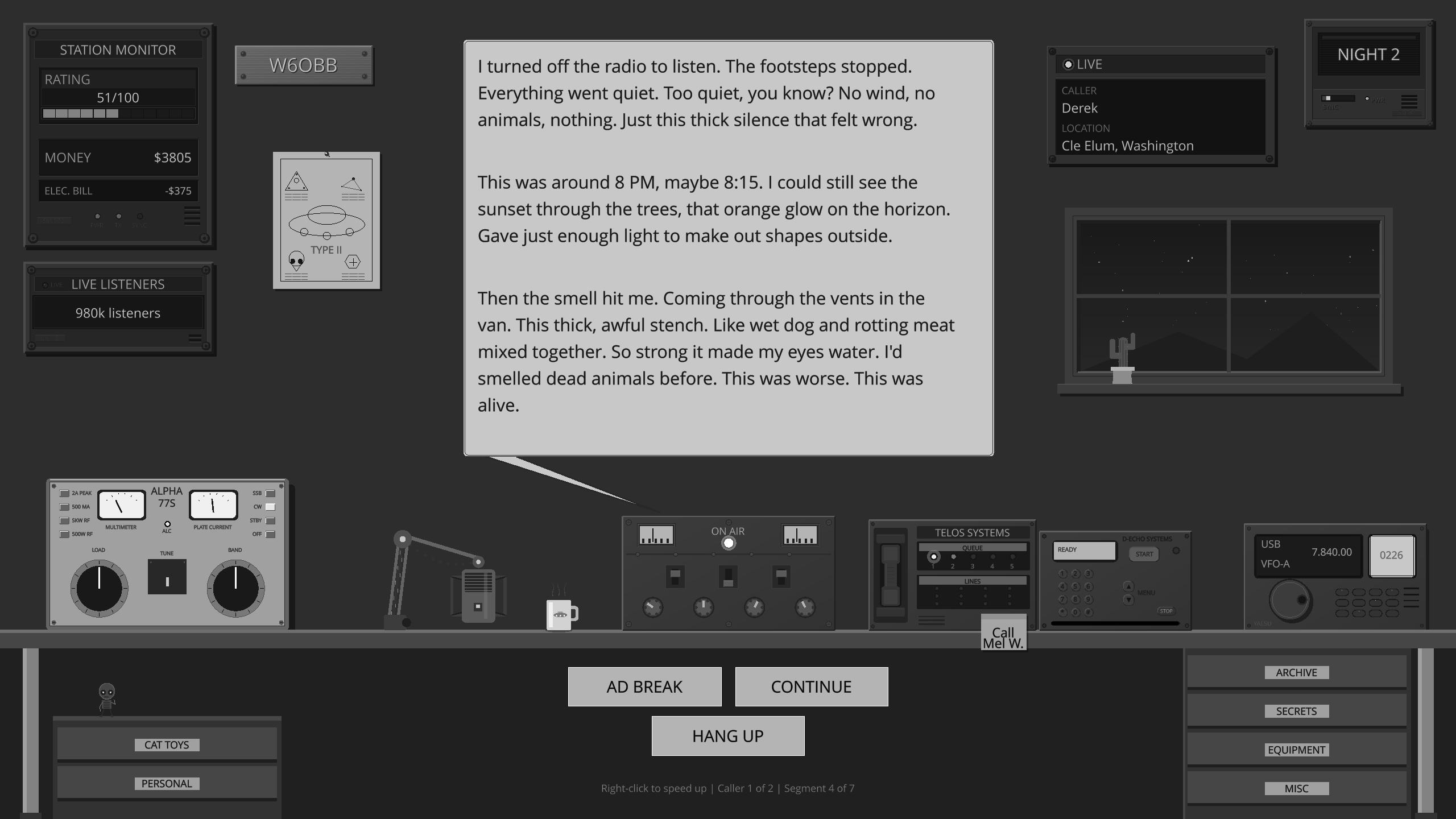
Ever wanted to host your own late-night paranormal radio show?
Across the Airwaves
You're on the air. Callers bring Mothman, Fresno Nightcrawlers, UFO sightings, reptilian autopsies, and whispers about AATIP and Project Blue Book. Every reply shapes how the night goes.

AI-Generated Summary
This file documents the Australian Department of Civil Aviation's administrative handling of unidentified aircraft reports in New Guinea and the Cocos Islands between 1948 and 1965. It highlights the department's reluctance to engage in intelligence-gathering and the eventual declassification of the records.
This file, maintained by the Australian Department of Civil Aviation (DCA) from 1948 to 1965, documents the administrative handling of reports concerning unidentified aircraft and aerial phenomena in the New Guinea and Cocos Islands regions. The correspondence reveals a persistent tension between the DCA's mandate to manage civil air traffic and the perceived need to address reports of 'unidentified' aircraft, which were frequently suspected to be unauthorized military flights. Throughout the period, DCA officials, including C. S. Wiggins and J. S. Arthur, consistently argued that their department was not an intelligence-gathering body. They maintained that their primary responsibility was to ensure civil aviation safety and that reports of suspicious aerial activity should be referred to the Department of Air or Naval Intelligence.
A significant portion of the file concerns a 1953 incident in Port Moresby, where T. C. Drury, a DCA official, captured motion picture film of an unidentified object. This film became a subject of intense interest, not only within the Australian government but also among civilian researchers, including the Australian Flying Saucer Bureau and the Ballarat Astronomical Society. The file details the bureaucratic process of handling this film, including its transfer to the Department of Air for analysis, which ultimately concluded that the film showed only a 'blur of light' and provided no useful information. The file also documents the DCA's concern regarding security leaks, specifically when an American national, Max B. Miller, was able to quote secret file numbers and details from internal correspondence, prompting an internal review of document handling procedures.
Other reports in the file describe various sightings of unidentified aircraft, often characterized by high-altitude flight, lack of navigation lights, and unusual engine sounds. In many instances, DCA investigators concluded that these sightings were likely misidentifications of diesel-powered boats, heavy trucks, or conventional aircraft operating in the region. The file concludes with administrative notes from 1965, indicating that the file's 'Secret' classification was no longer necessary, reflecting the transition of these reports from matters of national security to historical records.
I consider we should look after the known aircraft, let the unknown look after themselves and leave the Intelligence matters to the Services.
PDF not loading? Download the PDF directly
Official Assessment
The Department of Civil Aviation concluded that reports of unidentified aircraft were often misidentifications of known aircraft, diesel-powered boats, or other mundane sources, and that there was no evidence of security breaches.
The Department of Civil Aviation maintained that it was not responsible for intelligence matters and that unidentified sightings were likely conventional aircraft or misidentifications. The Department of Air and Naval Intelligence were consulted but generally found no evidence of unauthorized foreign military activity.
Witnesses
- Capt. A. JacobsonCaptainQantas Empire Airways
- G. DayS/StoremanDCA
- T. C. DruryDeputy Director of Civil AviationDepartment of Civil Aviation
Key Persons
- C. S. WigginsAssistant Director-General, Department of Civil Aviation
- Max B. MillerMember of various Flying Saucer Societies