Declassified UFO / UAP Document
Investigations of Flying Saucers Policy
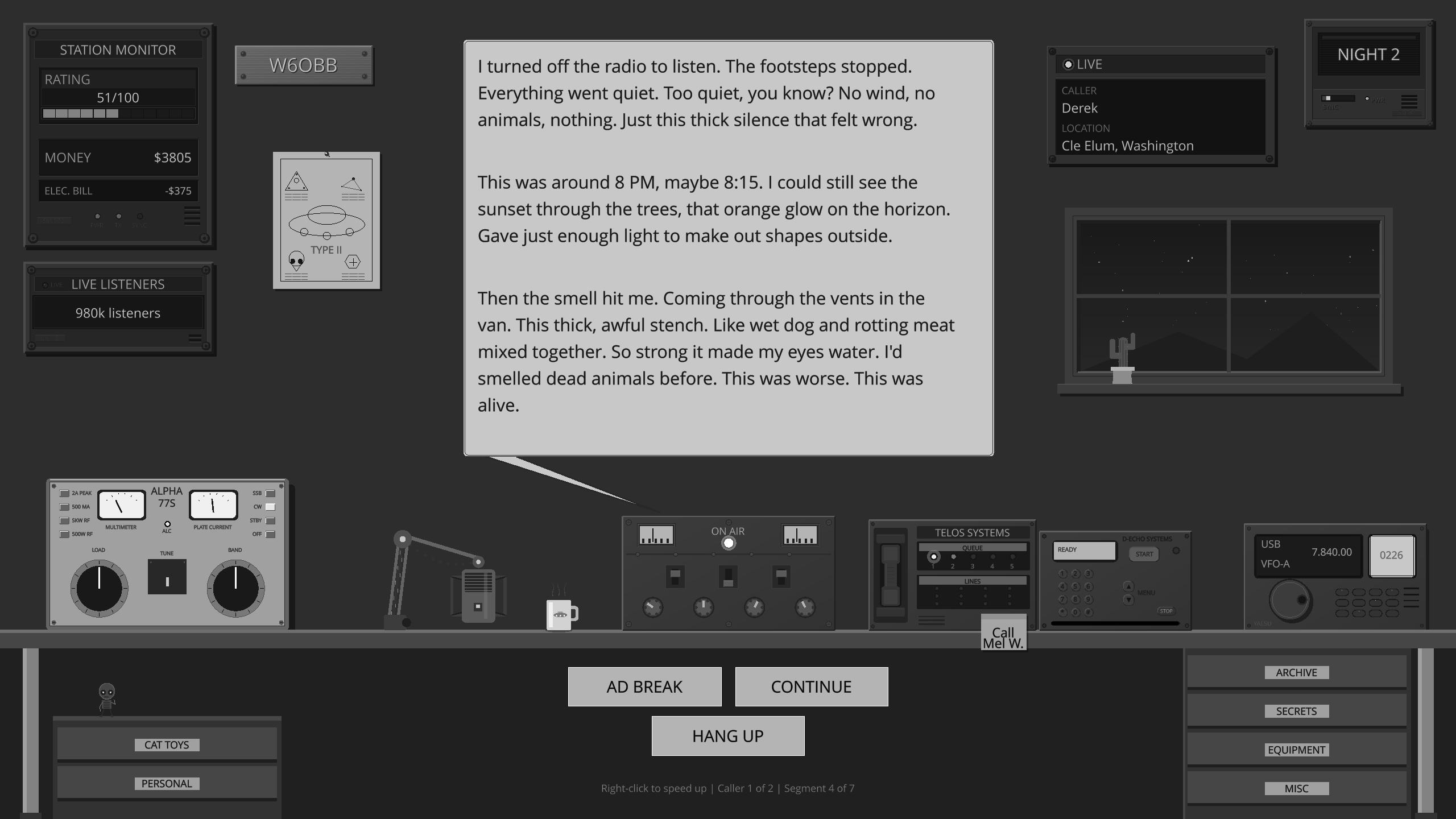
Ever wanted to host your own late-night paranormal radio show?
Across the Airwaves
You're on the air. Callers bring Mothman, Fresno Nightcrawlers, UFO sightings, reptilian autopsies, and whispers about AATIP and Project Blue Book. Every reply shapes how the night goes.

AI-Generated Summary
This file documents the RAAF's policy of decentralizing UFO investigations to local bases and regional authorities between 1954 and 1967. The Department of Air consistently maintained that most reports were misidentifications of natural phenomena and declined to establish a dedicated scientific research project.
This document file, titled 'Investigations of Flying Saucers Policy' (File 554/1/30), chronicles the administrative evolution of the Royal Australian Air Force's (RAAF) approach to Unidentified Flying Object (UFO) reports between 1954 and 1967. The file contains extensive correspondence between the Department of Air, the Commonwealth Scientific and Industrial Research Organisation (CSIRO), the Department of Civil Aviation, the Bureau of Meteorology, and various civilian UFO research groups, most notably the Victorian Flying Saucer Research Society. The primary policy established by the RAAF was to decentralize the investigation of UFO sightings. Rather than maintaining a centralized scientific research body, the RAAF tasked local RAAF bases with the initial investigation of reports. These bases were instructed to liaise directly with regional authorities from the Bureau of Meteorology and the Department of Civil Aviation to identify potential natural causes, such as meteorological phenomena, aircraft, or satellites. The Department of Air consistently maintained that the vast majority of sightings were explicable through natural causes or human error. When civilian organizations, such as the Victorian Flying Saucer Research Society, requested official cooperation or access to classified files, the Department of Air generally declined, citing resource limitations and the lack of scientific merit in the reports. The file also documents the RAAF's internal discussions regarding the 'Condon Report' (University of Colorado project) and the Department's decision not to embark on a similar scientific investigation in Australia. The file includes detailed summaries of sightings reported between 1960 and 1965, categorized by date, description, and possible cause, reinforcing the RAAF's stance that most reports were misidentifications of astronomical or meteorological events. The file concludes with the administrative closure of the policy file in 1967, reflecting a period of shifting government interest in the subject.
The R.A.A.F. accepts reports on flying saucers and attempts an allocation of reliability. Those that fall in the reliable class are then subjected to further investigation as and when the opportunity occurs.
PDF not loading? Download the PDF directly
Official Assessment
The RAAF accepts reports on flying saucers and attempts an allocation of reliability. Those that fall in the reliable class are then subjected to further investigation as and when the opportunity occurs.
The Department of Air established a policy of decentralizing UFO investigations to RAAF bases, which were encouraged to liaise directly with local organizations like the Bureau of Meteorology and the Department of Civil Aviation. The Department of Air maintained that most sightings were attributable to natural phenomena, and they declined to establish a dedicated scientific research project similar to the University of Colorado's project, citing resource constraints.
Key Persons
- Peter E. NorrisPresident, Victorian Flying Saucer Research Society
- L. G. WilsonSecretary (Administration), CSIRO
- Dr. Edward U. CondonLeader of University of Colorado UFO project
- Dr. J. Allen HynekScientific Consultant on UFOs
- Reverend William B. GillMissionary in Papua New Guinea