Declassified UFO / UAP Document
Det spökar i luften (It haunts in the air)
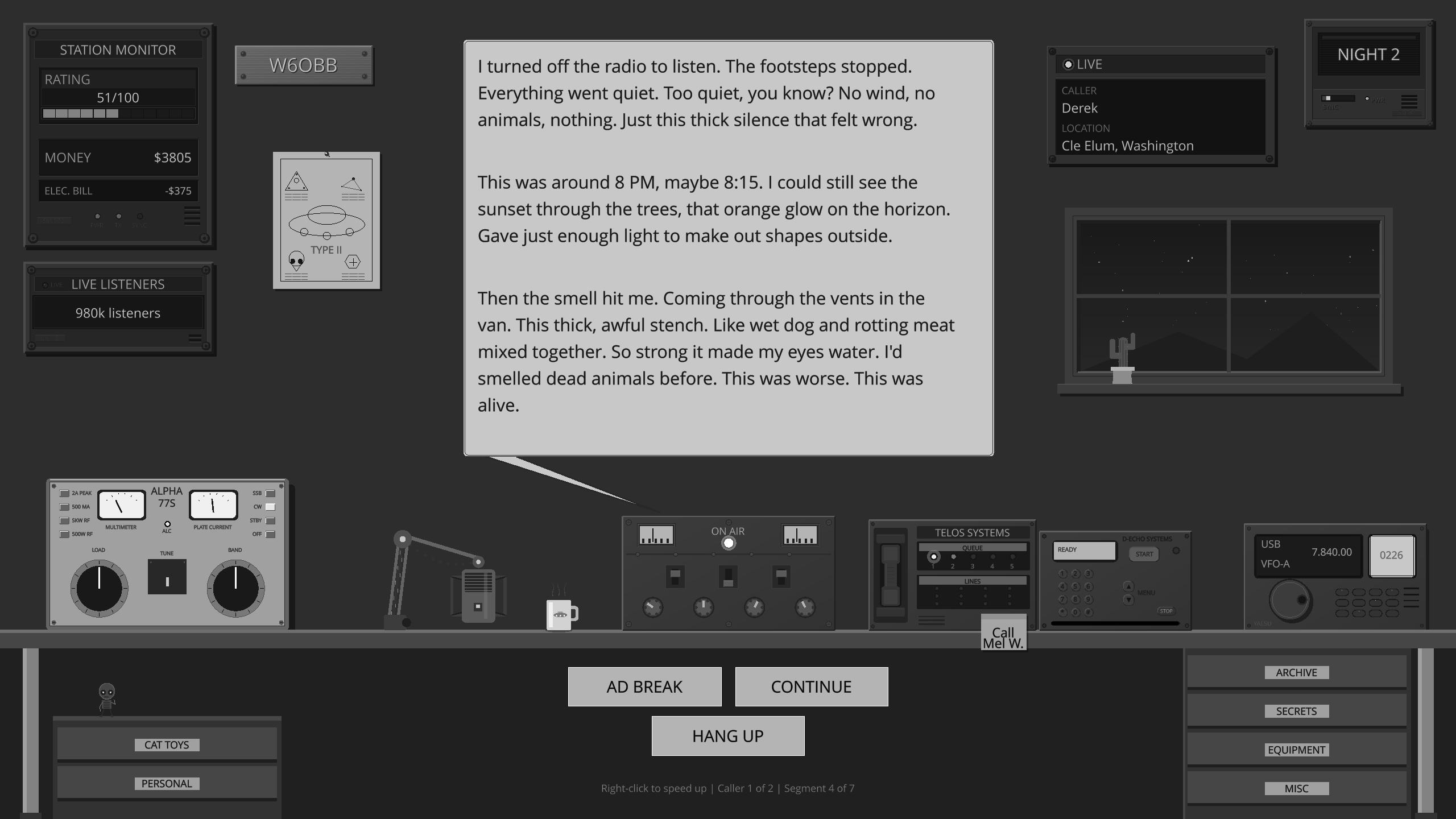
Ever wanted to host your own late-night paranormal radio show?
Across the Airwaves
You're on the air. Callers bring Mothman, Fresno Nightcrawlers, UFO sightings, reptilian autopsies, and whispers about AATIP and Project Blue Book. Every reply shapes how the night goes.
AI-Generated Summary
A 1946 newspaper editorial discussing the psychological impact of post-war aerial sightings, attributing public fear to the rise of new military technology and atomic power.
This article, written by Albert Viksten and published on August 16, 1946, explores the cultural and psychological impact of aerial phenomena in the post-World War II era. The author contrasts historical fears of natural events, such as solar eclipses or comets, with the contemporary anxiety surrounding 'ghost flyers' and strange, cigar-shaped objects with fire-spitting tails seen in the sky. Viksten argues that while humanity once looked to the heavens with religious awe, the advent of modern technology—specifically rocket-powered aircraft and atomic weaponry—has shifted the focus toward destruction. He notes that in England, there has been a marked increase in nervous breakdowns following the war. The author posits that while many of the current sightings are likely natural phenomena, the pervasive fear stems from humanity's distrust of its own technological capabilities and the potential for self-destruction. The piece concludes with a philosophical reflection on the insignificance of the Earth in the vastness of the universe, suggesting that the 'haunting' of the skies will only end when humanity ceases its own destructive tendencies.
Och nu spökar det ständigt på himlavalvet. Folk ser underliga cigarrformade tingestar med eldsprutande akter.
PDF not loading? Download the PDF directly
Official Assessment
The author suggests that most aerial phenomena are likely natural, but notes that human anxiety is at an all-time high due to new technology and the fear of self-destruction.
The article reflects on the historical shift from fearing natural phenomena like eclipses to fearing man-made aerial objects, noting that people are now more afraid than ever because they distrust their own inventions.
Key Persons
- MariaMentioned in the context of skywriting and radio communication