Declassified UFO / UAP Document
Kairomötets väktare hos svenska flyget
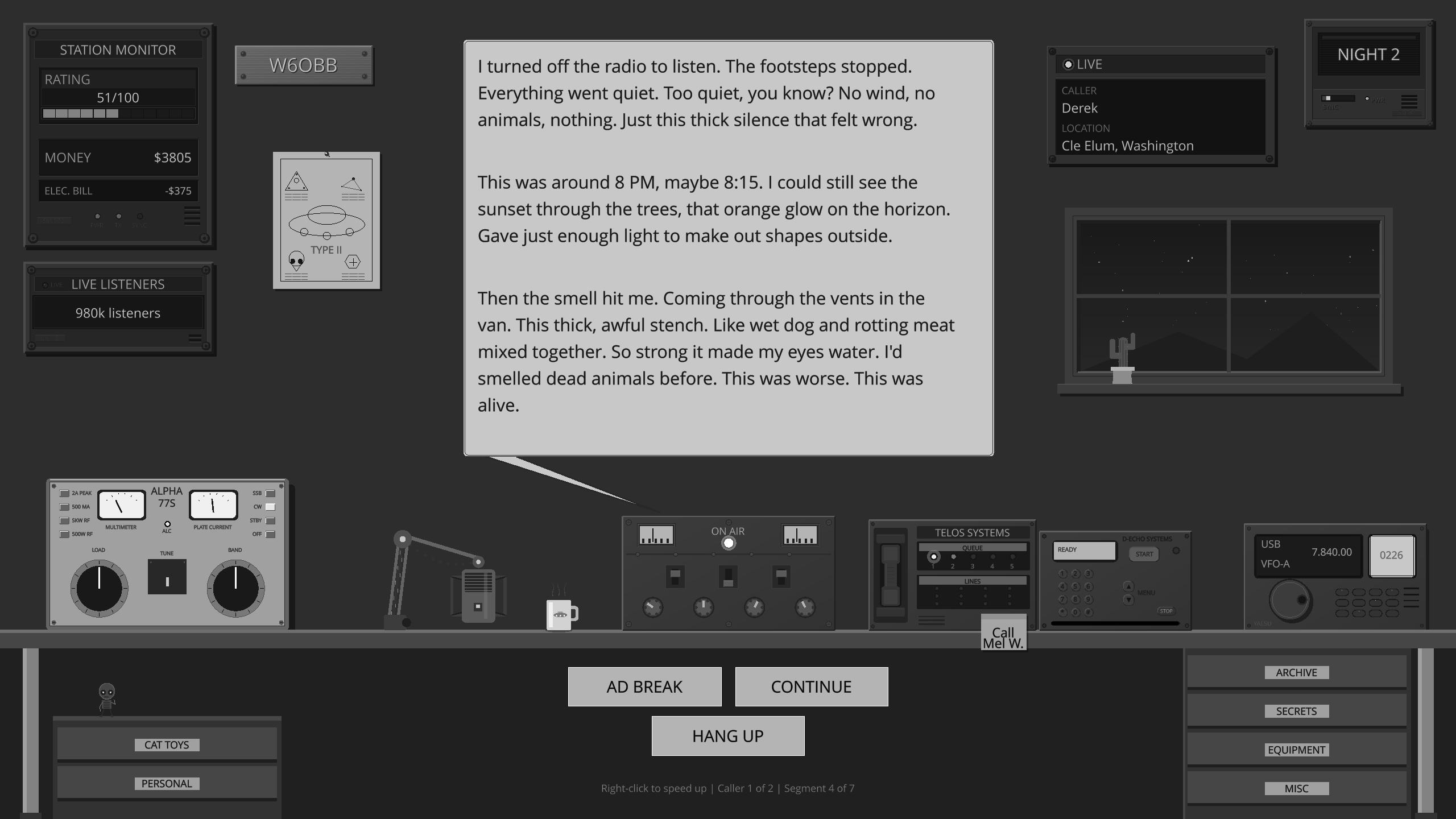
Ever wanted to host your own late-night paranormal radio show?
Across the Airwaves
You're on the air. Callers bring Mothman, Fresno Nightcrawlers, UFO sightings, reptilian autopsies, and whispers about AATIP and Project Blue Book. Every reply shapes how the night goes.

AI-Generated Summary
A 1945 newspaper report detailing the use of retired British radar equipment by the Swedish military. It highlights the historical significance of radar in WWII and provides a specific operational example of its range.
This newspaper article, dated November 14, 1945, provides an overview of the Swedish military's radar capabilities at the end of World War II. The author notes that the Swedish military radar equipment is not particularly advanced, consisting primarily of 'retired' English radar units. Despite this, the article emphasizes the strategic importance of radar technology, tracing its origins back to the experiments of the German scientist H. Hertz in 1886. The text highlights the critical role radar played during the war, specifically citing its contribution to the Allied success in the Battle of Britain, the Battle of the Atlantic, and the invasion of France, where it allowed for precise bombing without endangering friendly troops. The article includes a practical example of the equipment's utility, stating that radar based in Uppsala is capable of detecting a Mustang aircraft over Enköping at a distance of 45 kilometers. The piece concludes by reflecting on how the global balance of power might have been different without the development of radar technology.
Det kanske bör sägas från början, att den svenska militära ekoradioutrustningen egentligen inte är något att skryta med.
PDF not loading? Download the PDF directly
Official Assessment
The article discusses the state of Swedish military radar in 1945, noting it consists of retired English radar sets. It highlights the historical importance of radar in WWII, specifically mentioning the Battle of Britain, the Battle of the Atlantic, and the invasion of France.
Key Persons
- H. HertzGerman scientist who conducted early experiments leading to radar