Declassified UFO / UAP Document
Extra Sensory Perception (ESP) - FBI File 63-4036
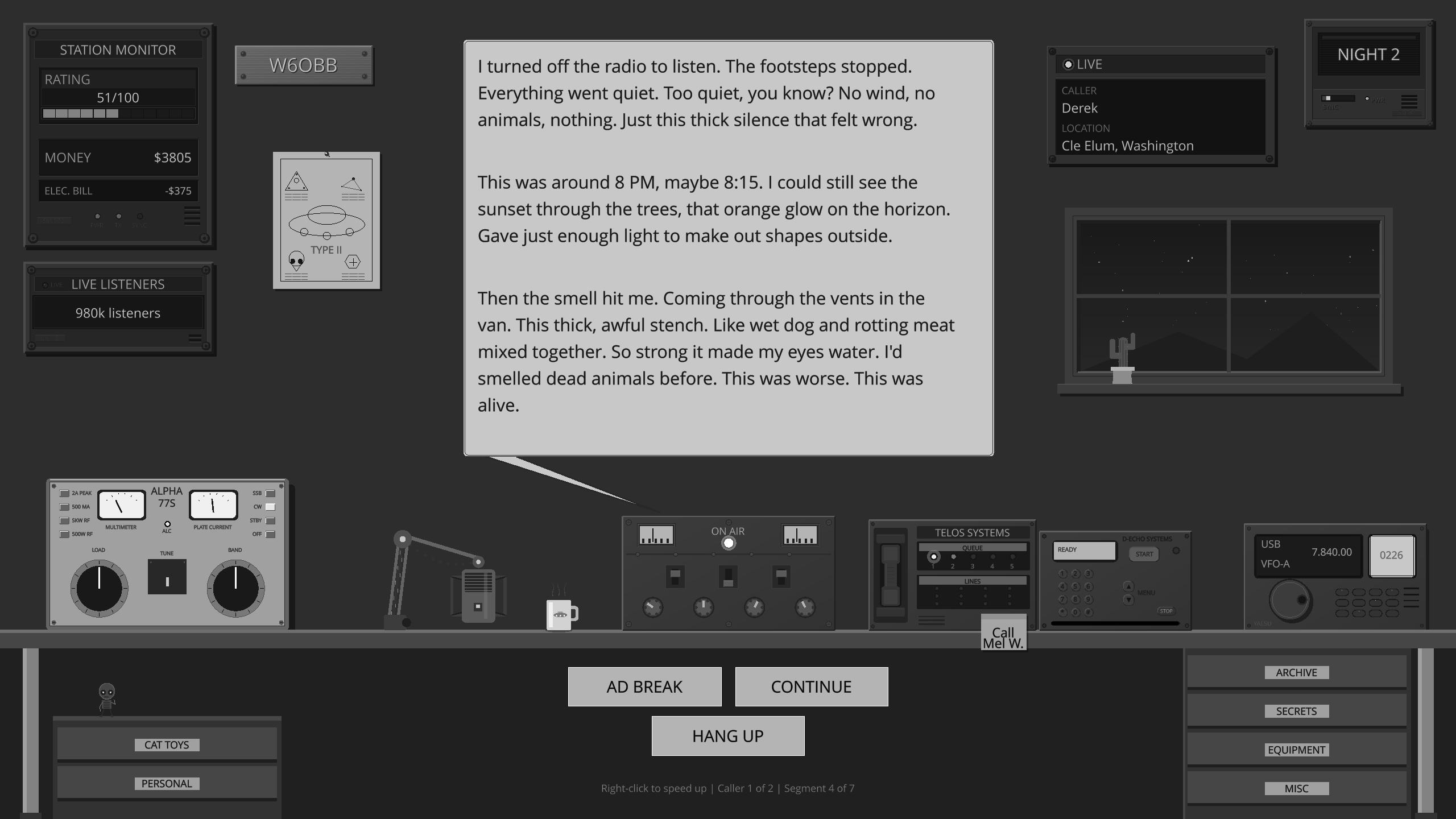
Ever wanted to host your own late-night paranormal radio show?
Across the Airwaves
You're on the air. Callers bring Mothman, Fresno Nightcrawlers, UFO sightings, reptilian autopsies, and whispers about AATIP and Project Blue Book. Every reply shapes how the night goes.
AI-Generated Summary
The FBI investigated William A. Foos, who claimed to teach the blind to see via ESP. The Bureau, along with the Army and CIA, concluded the claims were fraudulent and lacked scientific merit.
This file documents the FBI's investigation into the claims of William A. Foos, a resident of Richmond, Virginia, who asserted that he had developed a method to teach the blind to 'see' through extrasensory perception (ESP). Beginning in July 1957, the FBI received reports of demonstrations given by Foos, often involving his daughter, Margaret Foos. During these exhibitions, Margaret was blindfolded and appeared to read text, distinguish colors, and navigate rooms with ease. Foos claimed that he could teach anyone to see without eyes, even to the point of driving an automobile, and that he had successfully trained approximately 25 individuals.
The FBI, along with other government agencies including the Department of the Army and the Central Intelligence Agency (CIA), conducted inquiries into these claims due to the potential implications for national security and law enforcement—specifically the possibility of undetectable access to mail, diplomatic pouches, or secure buildings. However, investigations by these agencies were highly skeptical. Representatives from the Veterans Administration and the Blind Veterans Association, who attended demonstrations, concluded that the results were '100 per cent unsuccessful' when scientific testing protocols were applied. Intelligence officials suggested that Foos was likely using 'pinpoint vision' through gaps in the blindfolds or other deceptive techniques.
By 1960, the file also reflects the FBI's broader interest in the field of parapsychology, including inquiries regarding other figures such as Peter Hurkos and Gerard Croiset, who were often cited in the media for their alleged ability to assist police in criminal investigations. The Bureau consistently maintained that there was no scientific basis for ESP and that such claims were not supported by evidence. The FBI's official stance, as reflected in internal memoranda, was to remain informed but to avoid any action that could be interpreted as official sponsorship or endorsement of these individuals or their organizations, such as the 'ESP Research, Inc.' founded by Foos. The file concludes with the Bureau's determination that while the subject of parapsychology was of interest, the specific claims made by Foos and others were fraudulent or unproven.
Should his claims be well-founded, there is no limit to the value which could accrue to the FBI - complete and undetectable access to mail, the diplomatic pouch; visual access to buildings - the possibilities are unlimited insofar as law enforcement and counterintelligence are concerned.
PDF not loading? Download the PDF directly
Official Assessment
The FBI concluded that the claims of William Foos were without scientific basis and that his demonstrations were likely tricks.
William Foos claimed to teach the blind to see through ESP. Investigations by the FBI, Army, and CIA found no evidence to support these claims, suggesting the use of 'pinpoint vision' through blindfolds or other tricks. The Bureau decided to maintain a discreet interest but avoid any official sponsorship or endorsement.
Witnesses
- William A. FoosPresident and Director of Research, ESP Research, Inc.C. & O. Railway
- Margaret FoosResearch AssistantESP Research, Inc.
Key Persons
- Joseph B. RhineEminent authority on ESP at Duke University
- Henry K. PuharichRound Table Foundation, Glen Cove, Maine
- Peter HurkosDutch medium