Declassified UFO / UAP Document
Exploitation Report: Fragment, Metal, Recovered in the Republic of the Congo, Believed to be an Unidentified Flying Object
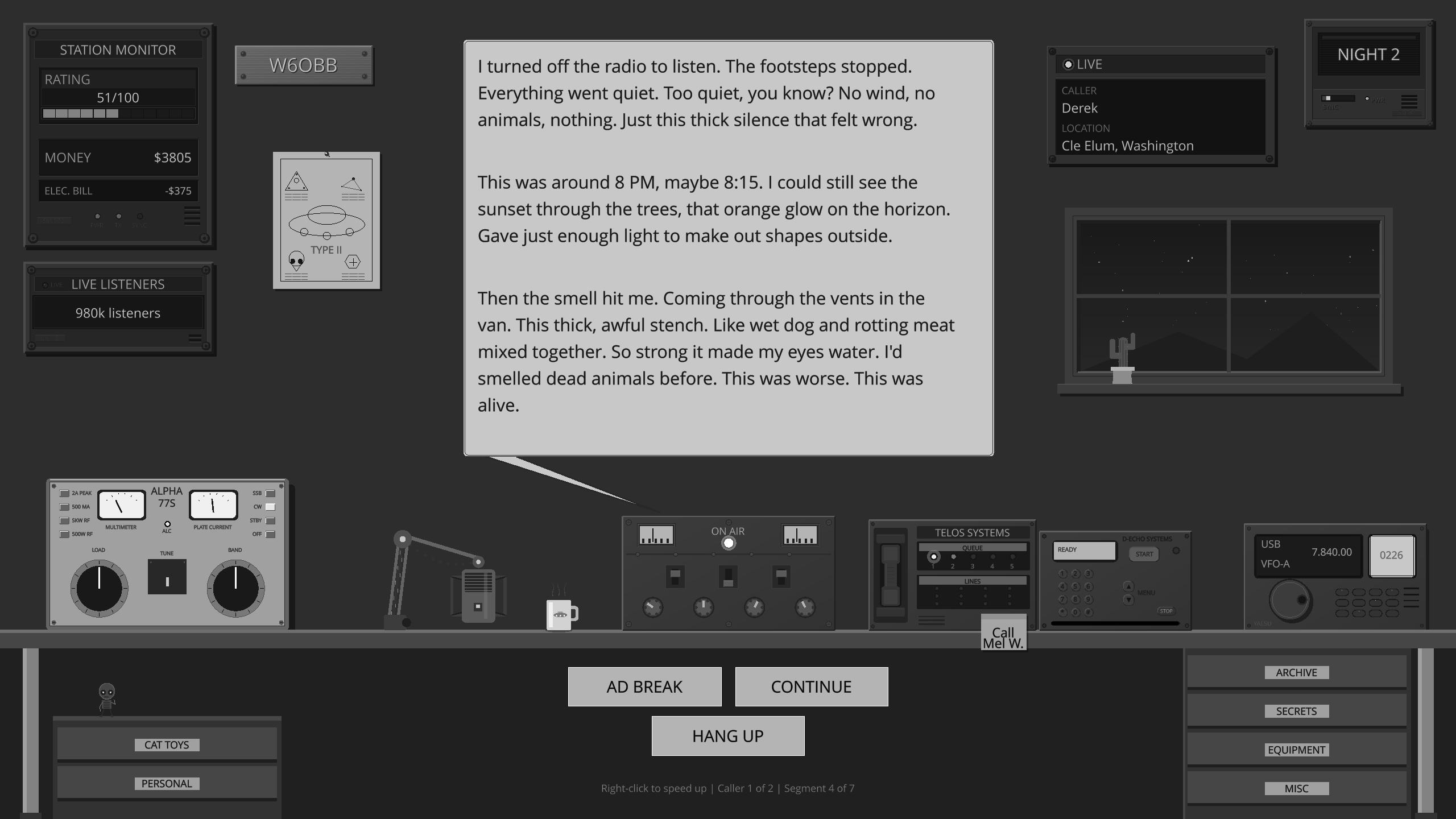
Ever wanted to host your own late-night paranormal radio show?
Across the Airwaves
You're on the air. Callers bring Mothman, Fresno Nightcrawlers, UFO sightings, reptilian autopsies, and whispers about AATIP and Project Blue Book. Every reply shapes how the night goes.

AI-Generated Summary
This report documents the technical analysis of a metallic fragment recovered in the Congo in 1963 after a UFO explosion. Investigators concluded the object was a standard electrical motor or generator armature, though its specific origin remains unknown.
This exploitation report details the analysis of a metallic fragment recovered near the town of Kenge in the Republic of the Congo following an incident between October 10 and 15, 1963. The fragment, which was recovered after a ground-level search following the explosion of an unidentified flying object, was subjected to a technical examination to determine its origin and nature. The report notes that the object was observed flying in an east-to-west direction before it exploded. The physical specimen measured 2.25 by 1.75 by 1.0 inches and weighed 41 grams. Technical analysis revealed that the fragment was composed of six machined or formed T-shaped fins and contained silicon steel laminates stacked on a mild steel core. The investigators concluded that the fragment was originally part of an electrical component, specifically a motor, generator armature, or similar electrical regulating device. The fabrication process was identified as consistent with standard procedures for electric motor armatures, utilizing stamped laminates and copper-plating. Evidence of exposure to temperatures exceeding 2550° F was found on the surface, and the report suggests the object was traveling at high velocity when it impacted the earth. Despite the detailed metallurgical analysis, the report explicitly states that the materials, processes, and dimensions used in the construction of the fragment prevented the determination of its exact country of origin.
Materials, processes, dimensions, etc., as such, prevent determination of exact origin (country).
PDF not loading? Download the PDF directly
Official Assessment
The fragment was originally part of an electrical component and could be identified as a motor, generator armature, or associated electrical regulating device.
The fragment was fabricated using standard procedures for electric motor armatures, involving stamped silicon steel laminates and a mild steel shaft. Surface analysis indicated exposure to temperatures in excess of 2550° F, and the item was moving at high velocity upon impact.