Declassified UFO / UAP Document
Royal Australian Air Force Unusual Sightings Incidents File 5/4/Air One
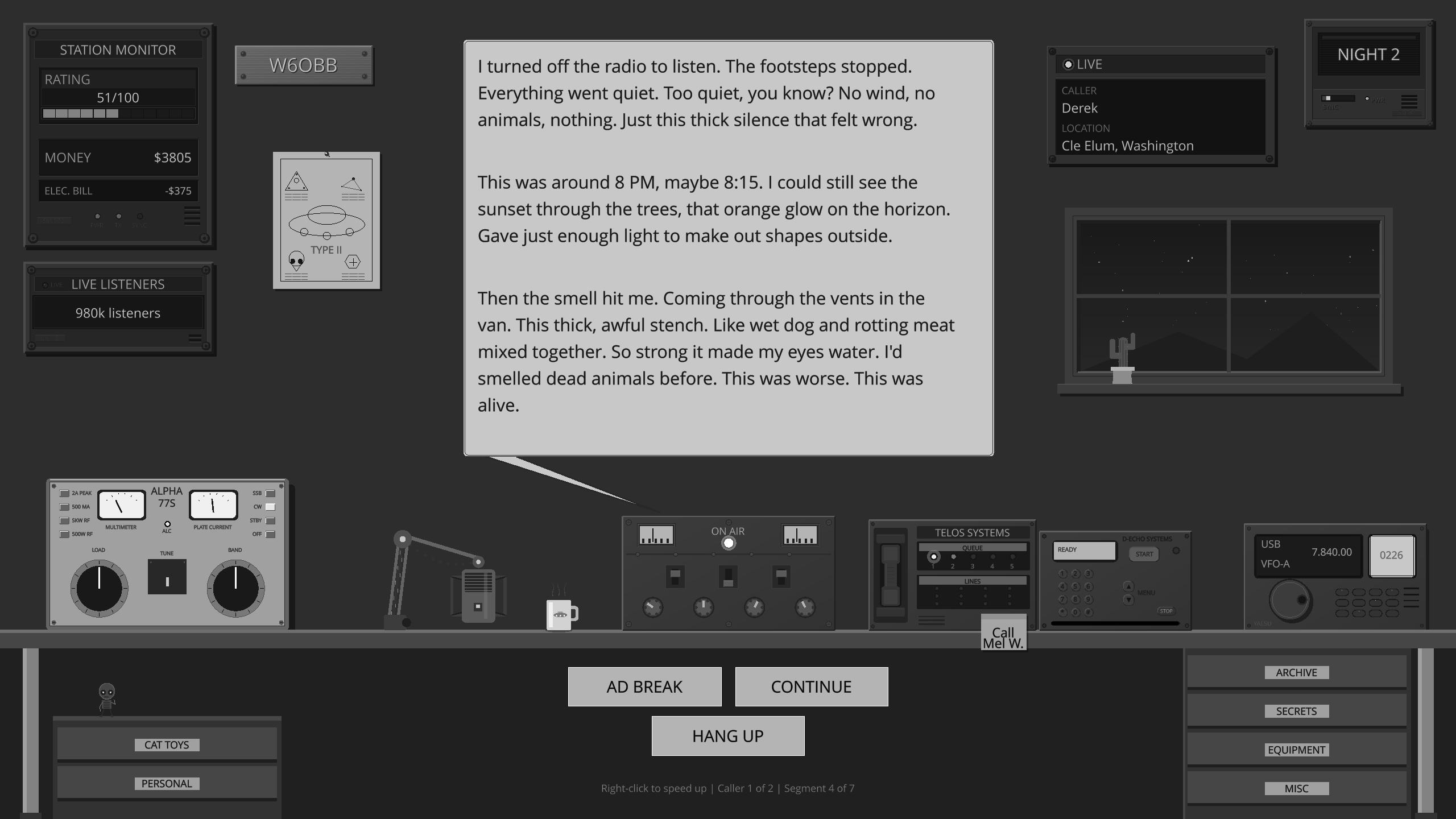
Ever wanted to host your own late-night paranormal radio show?
Across the Airwaves
You're on the air. Callers bring Mothman, Fresno Nightcrawlers, UFO sightings, reptilian autopsies, and whispers about AATIP and Project Blue Book. Every reply shapes how the night goes.

AI-Generated Summary
This file contains RAAF administrative records and sighting reports regarding UFOs in Australia from 1960 to 1968. It outlines the RAAF's official investigation procedures and includes specific case reports evaluated by military and meteorological personnel.
This document is a compilation of administrative records, correspondence, and intelligence reports from the Royal Australian Air Force (RAAF) regarding the investigation of Unidentified Flying Objects (UFOs) between 1960 and 1968. The file, titled 'Unusual Sightings - Incidents', documents the RAAF's formal procedures for handling UFO reports, which were established to determine if Australian airspace had been violated and to address public concern. The records include internal memos from RAAF Headquarters Operational Command to various bases, such as Darwin, Townsville, and Amberley, instructing units on how to conduct investigations and liaise with other government departments, including the Department of Civil Aviation and the Bureau of Meteorology. Several specific sighting reports are included, such as the January 1968 Darwin sighting, which involved reports from multiple observers, including a former test pilot, Mr. Richard Johnson. These reports often describe bright, fast-moving objects with trails, which were frequently evaluated by RAAF personnel as potential satellites, rocket re-entries, or astronomical phenomena. The file also contains correspondence from the Royal Australian Navy and various civilian observers, reflecting the inter-agency cooperation required to manage these reports. The RAAF's stance, as articulated in the documents, is that while many sightings can be identified as conventional phenomena, a small number remain unexplained, necessitating a comprehensive record-keeping process to maintain public confidence and national security.
Whilst the investigation of unidentified flying objects (UFOs) is understandably a tedious task and one in which the investigator may frequently have little faith or interest, it is neverthleless necessary to obtain as comprehensive a record as possible of such occurrences.
PDF not loading? Download the PDF directly
Key Persons
- B.J. HayesSquadron Leader, For Air Officer Commanding
- L.F.E. FosdikeSquadron Leader
- Richard JohnsonChief flying instructor, Darwin Aero Club