Declassified UFO / UAP Document
Council of Ministers Official Urges Improved Economics Reporting
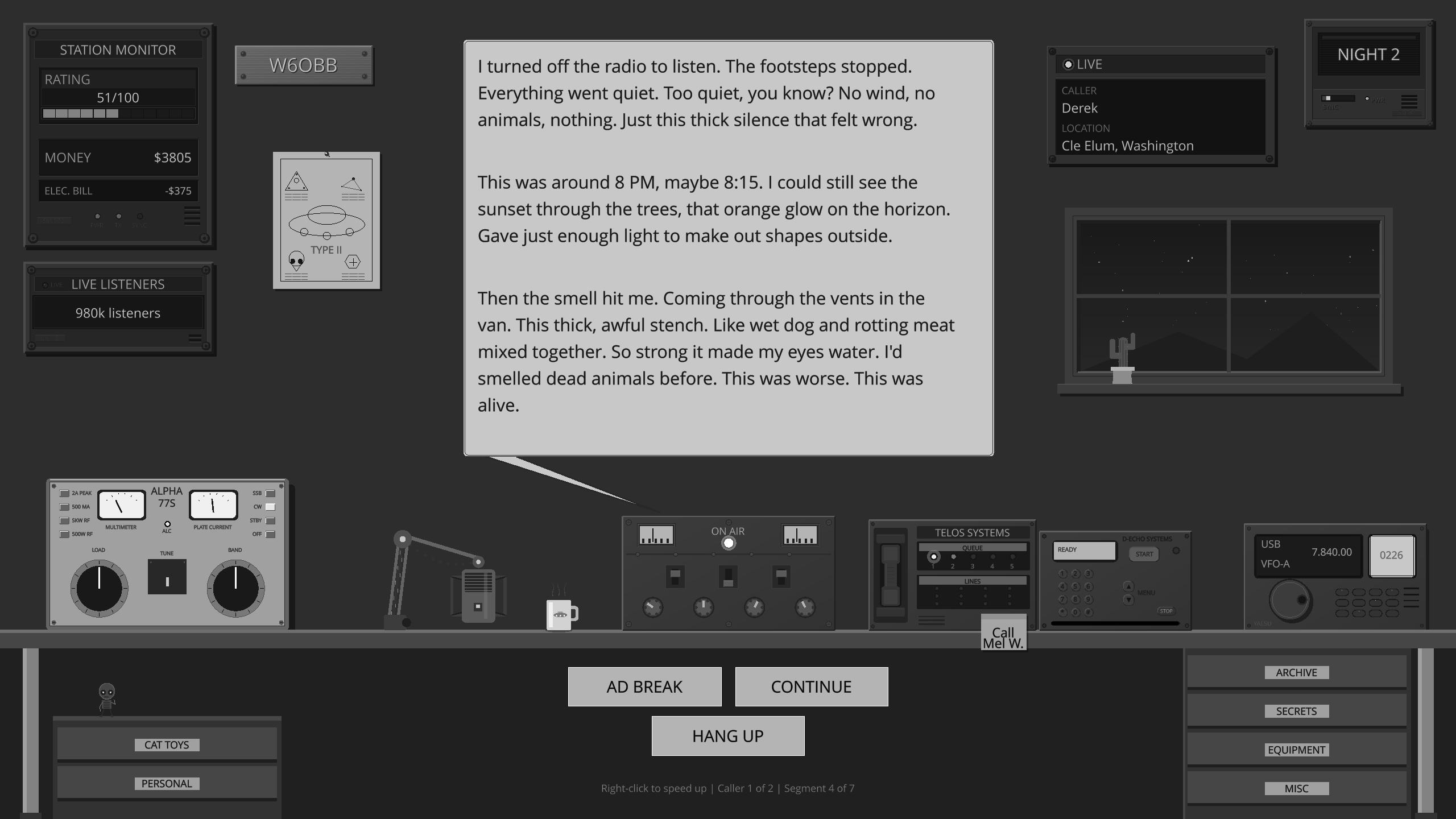
Ever wanted to host your own late-night paranormal radio show?
Across the Airwaves
You're on the air. Callers bring Mothman, Fresno Nightcrawlers, UFO sightings, reptilian autopsies, and whispers about AATIP and Project Blue Book. Every reply shapes how the night goes.

AI-Generated Summary
This 1990 JPRS report provides a critique of Soviet media coverage regarding the country's transition to a market economy. It highlights the government's struggle to implement economic reforms while managing public and trade union opposition to price changes.
This document is a JPRS report from May 1, 1990, featuring an article by Lev Tsvetkov, a specialist in the USSR Council of Ministers Information Department. The text, titled 'On the Market--Not in the Bazaar Fashion,' serves as a critique of how the Soviet press reported on the country's transition to a market economy. Tsvetkov argues that the press often failed to provide clear, analytical coverage of complex economic issues, instead focusing on sensationalism or superficial complaints. He specifically addresses the confusion surrounding the government's economic recovery program, noting that while the public and various deputies were concerned about the transition, the media often failed to bridge the gap between specific economic facts and the broader phenomenon of market reform. The report details several instances of labor unrest, such as the AUCCTU's protest against price hikes for fuel and freight, and criticizes the government's handling of these issues, including the use of 'moratoriums' on price decisions. Tsvetkov also examines the role of various newspapers, such as IZVESTIYA, TRUD, and SOVETSKAYA ROSSIYA, in shaping public opinion. He notes that while some journalists attempted to provide deeper analysis, others merely echoed the complaints of trade unions or government officials without offering constructive solutions. The document concludes by reiterating the necessity of moving toward a market economy while warning that the current 'talk' and lack of decisive, well-argued action could lead to further economic instability. The author emphasizes that the transition requires a serious choice and that the press has a responsibility to help the public understand the complexities of this shift rather than simply fueling speculation or discontent.
The press, for example, enthusiastically discussed the escapades of a UFO, which obstinately appeared in full view but impudently ignored the radars.
PDF not loading? Download the PDF directly
Official Assessment
The document discusses the challenges of transitioning to a market economy in the USSR, criticizing the press for its handling of economic reporting and the government's economic recovery program. It highlights the tension between trade unions, government pricing decisions, and the public's understanding of market reforms.
Key Persons
- Lev TsvetkovUSSR SOVMIN Information Department Chief Specialist
- I. OgnevAuthor of article in IZVESTIYA
- V. MamontovAuthor of article in SOVETSKAYA ROSSIYA
- V. GolovachevAuthor of article in TRUD
- A. SobchakDeputy
- L. AbalkinUSSR Council of Ministers Deputy Chairman
- V. RomanyukJournalist
- G. FilshinDeputy