Declassified UFO / UAP Document
Pour une politique de la 'porte ouverte' en ufologie des 'phénomènes solaires'... au 'phénomène ovni' 4ème partie
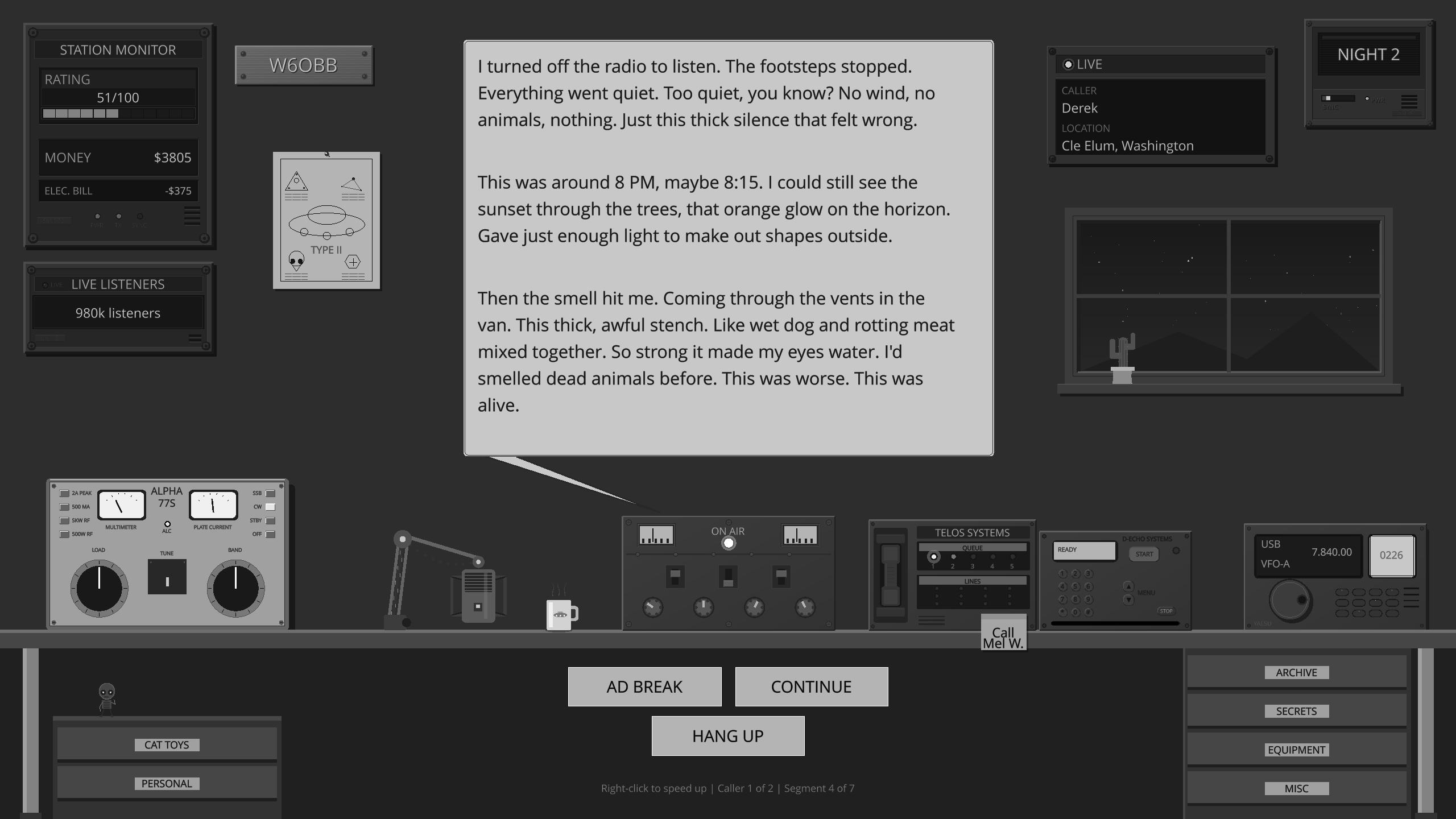
Ever wanted to host your own late-night paranormal radio show?
Across the Airwaves
You're on the air. Callers bring Mothman, Fresno Nightcrawlers, UFO sightings, reptilian autopsies, and whispers about AATIP and Project Blue Book. Every reply shapes how the night goes.
AI-Generated Summary
This article series by Gilbert Cornu analyzes the sociological parallels between 19th-century spiritualism and modern ufology. It argues that both phenomena are heavily influenced by human interpretation and cultural context, urging researchers to maintain scientific rigor and avoid dogmatic traps.
This document, the fourth part of a series by Gilbert Cornu, explores the sociological and historical parallels between the 19th-century spiritualist movement and the modern UFO phenomenon. Cornu advocates for an 'open door' policy in ufology, suggesting that researchers must broaden their scope to understand the human element of these experiences. He posits that the UFO phenomenon, much like spiritualism, is often interpreted through the lens of contemporary beliefs, science fiction, and technological anxieties. The author examines the origins of spiritualism in Hydesville, New York, in 1847, and its subsequent spread to Europe, noting how it became a cultural phenomenon that challenged the materialism of the industrial age. He draws direct comparisons to the 1947 Kenneth Arnold sighting, which he identifies as the catalyst for the modern UFO era. Cornu highlights the role of key figures such as Allan Kardec, Léon Denis, and Aimé Michel, while also discussing the influence of various organizations, including the Society for Psychical Research and the U.S. Air Force. A significant portion of the text is dedicated to the dangers of dogmatism, the prevalence of fraud, and the tendency for ufology to splinter into sects or become overly influenced by science fiction narratives. Cornu concludes that ufology must maintain rigorous scientific standards and avoid the traps of uncritical belief or total dismissal. He emphasizes that the history of these phenomena is not merely a series of events but a reflection of human psychological reactions to the unknown, and that understanding this history is essential for future research.
Il n'est pas question pour autant de prétendre que l'histoire ne fait que se répéter; ce serait tomber inutilement de Charybde en Scylla ! Il s'agit seulement de constater que l'histoire offre parfois d'un siècle à l'autre de curieuses analogies, lesquelles éclairent d'une étrange lumière au moins notre comportement face aux évènements sinon les évènements eux-mêmes.
PDF not loading? Download the PDF directly
Official Assessment
The author argues that ufology should adopt an 'open door' policy, drawing parallels between the historical development of spiritualism in the 19th century and the modern UFO phenomenon. He suggests that both phenomena share similar sociological patterns, including the tendency for human interpretation to be influenced by contemporary cultural and technological contexts, and warns against the pitfalls of dogmatism and fraud.
Key Persons
- Henry DurantAuthor/Researcher
- Michel BougardAuthor/Researcher
- Allan KardecSpiritualist leader
- Denizat RivailTeacher/Spiritualist
- Léon DenisSpiritualist leader
- Victor HugoWriter
- Madame BlavatskiFounder of Theosophy
- Sir William CrookesScientist
- Kenneth ArnoldWitness/UFO figure
- Aimé MichelUfologist/Author
- Jacques ValléeUfologist/Author
- Jimmy GuieuUfologist/Author
- Gilles SmiènaUfologist/Author