Declassified UFO / UAP Document
Alleged Experiences Inside UFOs: An Analysis of Abduction Reports
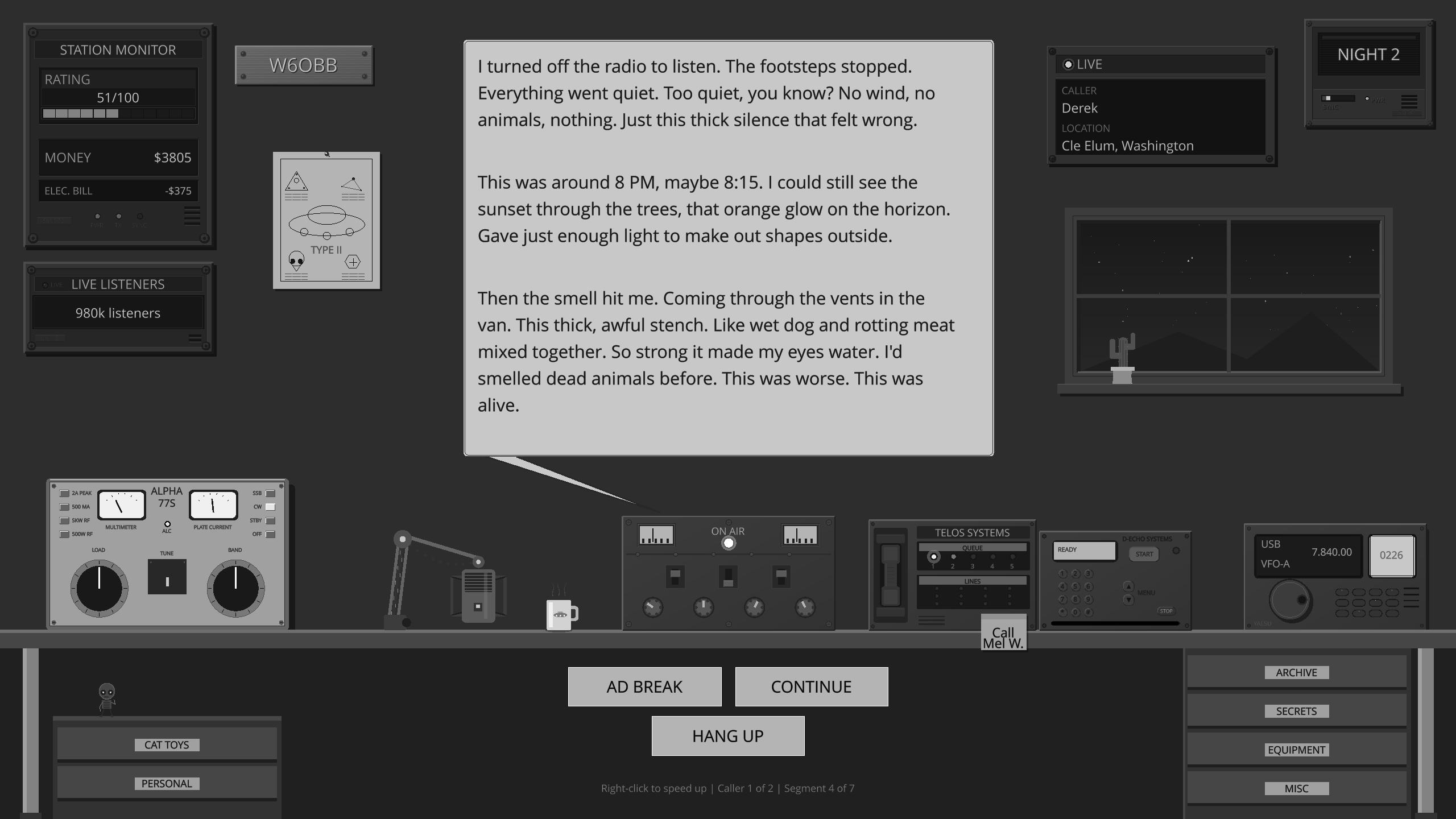
Ever wanted to host your own late-night paranormal radio show?
Across the Airwaves
You're on the air. Callers bring Mothman, Fresno Nightcrawlers, UFO sightings, reptilian autopsies, and whispers about AATIP and Project Blue Book. Every reply shapes how the night goes.

AI-Generated Summary
This academic paper analyzes Spanish UFO abduction reports, concluding they are psychological or fraudulent, while a response from David M. Jacobs critiques this methodology as biased and uninformed.
This document, published in the Journal of Scientific Exploration in 1994, presents an analysis of UFO abduction reports in Spain by Vicente-Juan Ballester Olmos, followed by a critical response from David M. Jacobs. Ballester Olmos reviews six documented abduction cases in Spain, concluding that none provide extraordinary evidence for an anomalous event. Instead, he attributes these reports to hoaxes, delusions, or psychosis, noting that the emergence of such reports in Spain correlates with the media publicity surrounding foreign abduction cases and popular films like Close Encounters of the Third Kind. He argues that the abduction phenomenon is largely a psychological construct, exacerbated by the misuse of hypnosis and the influence of commercial media. He identifies four phases in the global distribution of abduction reports: Beginnings (1967-1969), Expansion (1974-1978), Explosion (1979-1982), and Saturation (1983-1985). Ballester Olmos contends that the rise of 'abductionology' is a result of media-driven feedback loops rather than physical reality. In his response, David M. Jacobs, a researcher from Temple University, challenges Ballester Olmos's methodology and conclusions. Jacobs argues that Ballester Olmos lacks a sophisticated understanding of the abduction phenomenon and relies on debunkers rather than primary abduction researchers. He asserts that Ballester Olmos's negative selection bias leads him to dismiss potentially legitimate cases as hoaxes. Jacobs disputes the claim that media publicity causes abduction events, arguing that while films may encourage existing abductees to come forward, they do not generate new experiences. He concludes that Ballester Olmos's polemic against abductions is unsupported by his own evidence and that Spanish researchers require a more rigorous approach to investigating these incidents.
The abduction phenomenon is notably an American event. 50.5% of all cases recorded by compilers (Bullard 1987) proceed from North America.
PDF not loading? Download the PDF directly
Official Assessment
The abduction syndrome is psychological in nature, influenced by media-related triggers, hoaxes, and the misuse of hypnosis.
Spanish abduction reports are rare and can be explained by hoax, delusion, or psychosis. Worldwide trends show clusters of reports associated with media publicity.
Witnesses
Key Persons
- David M. JacobsAuthor of the response article
- J. A. FernandezCollaborator
- J. ValleeCritic