Declassified UFO / UAP Document
An Analysis of Data and Hypotheses Related to the Embassy Incidents
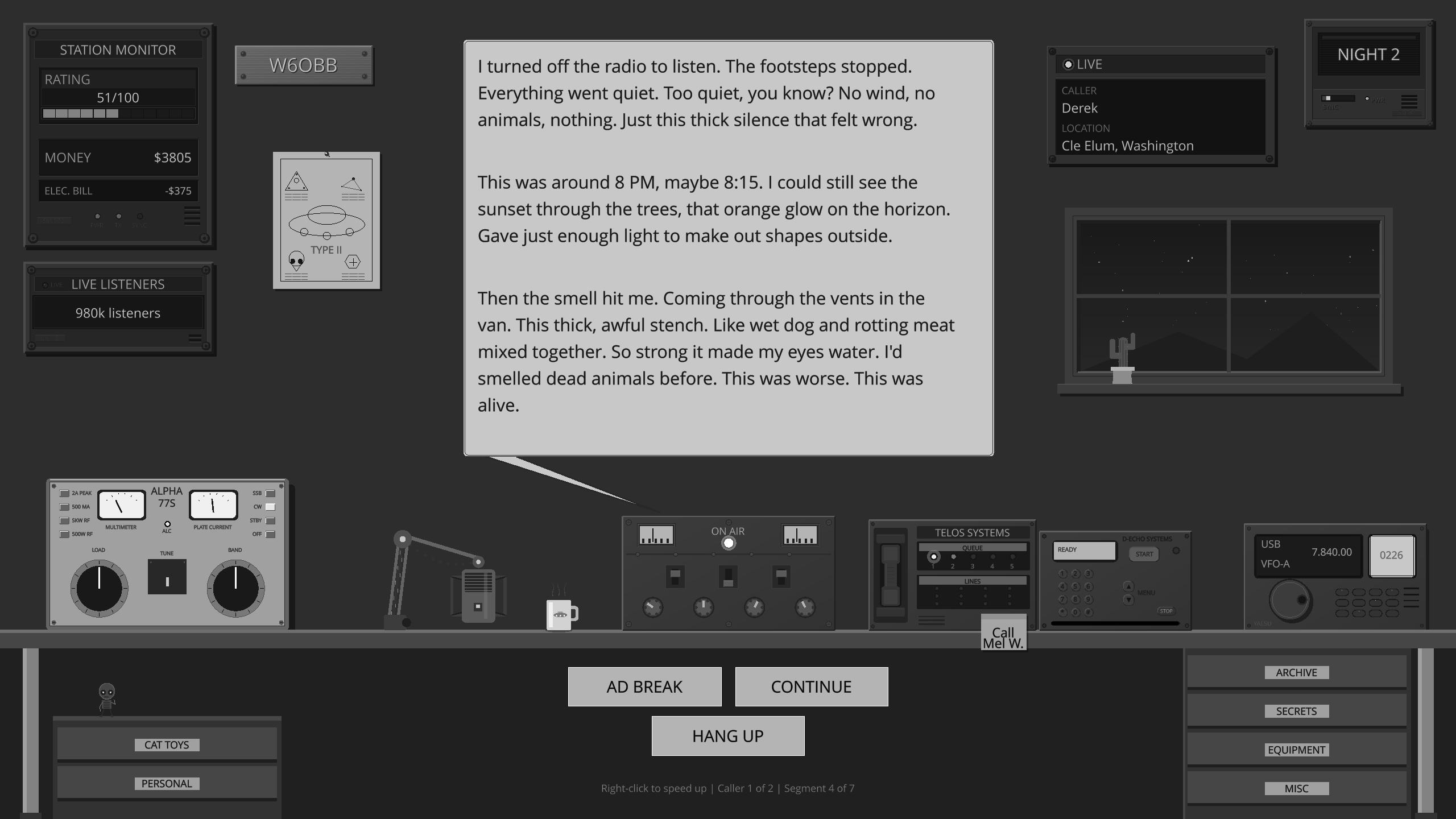
Ever wanted to host your own late-night paranormal radio show?
Across the Airwaves
You're on the air. Callers bring Mothman, Fresno Nightcrawlers, UFO sightings, reptilian autopsies, and whispers about AATIP and Project Blue Book. Every reply shapes how the night goes.

AI-Generated Summary
This JASON report evaluates nearly 200 Anomalous Health Incidents (AHI) and concludes that most are likely due to common environmental or medical causes. It finds no evidence of a novel clinical syndrome or intentional physical attacks, recommending improved data collection and medical support for affected personnel.
This report, titled 'An Analysis of Data and Hypotheses Related to the Embassy Incidents' (JSR-21-01), was prepared by JASON for the U.S. Department of State in October 2021. It provides a comprehensive evaluation of nearly 200 reported 'Anomalous Health Incidents' (AHIs) involving federal employees and their families at various overseas posts. The study aimed to identify potential causes, evaluate the medical data, and provide recommendations for future monitoring and data collection.
JASON's analysis of the incident data revealed that the reports were highly heterogeneous, with no common set of characteristics. Approximately 85-90% of the cases were found to be consistent with common, benign environmental or medical causes, such as everyday occurrences or pre-existing medical conditions. The remaining 10-15% of cases, which did not have immediate alternative explanations, formed the basis for the study's 'incident consistency criteria.' These criteria required that any potential external energy source be capable of penetrating buildings, operating from a distance of tens of meters, being localized to a small area, and causing specific health effects without disrupting consumer electronics.
Regarding medical data, JASON reviewed preliminary findings from an ongoing NIH study on traumatic brain injury (TBI) in overseas personnel. The report found no compelling evidence of TBI in the data obtained to date, noting that the medical findings were largely within normal ranges and that the study lacked appropriate, lifestyle-matched control groups. The report also explored the potential role of functional disorders and psychogenic illness, suggesting that stress and social factors could contribute to the reported symptoms.
JASON evaluated several physical mechanisms for delivering energy from a distance, including ionizing radiation, infrasound, audible sound, ultrasound, and radio-frequency (RF) radiation. The study concluded that ionizing radiation, infrasound, and audible sound could be ruled out with high confidence. While pulsed RF radiation in the 500 MHz to 30 GHz range could not be conclusively ruled out for a subset of incidents, JASON found it highly unlikely, as the power levels required to cause physiological damage would inevitably produce sensations of heat or pain, which were not reported. Furthermore, the report noted that any documented damage mechanism would require high flux levels that are inconsistent with the reported incidents.
Ultimately, JASON concluded that it is not possible to determine that the events are the result of intentional attacks causing physical harm. The report emphasizes the need for a uniform, structured incident intake questionnaire to improve data collection and triage, and recommends that the government focus on open communication and rapid medical response to address the anxiety and trauma associated with these incidents.
It is JASON’s judgement that, on the basis of available reports of events, related data, and health evaluations, it is not possible to conclude at this time that these events are the result of intentional attacks that cause physical harm.
PDF not loading? Download the PDF directly
Official Assessment
No single hypothesized mechanism can explain all of the incidents. It is not possible to conclude at this time that the events are the result of intentional attacks that cause physical harm.
85-90% of reported incidents are consistent with common environmental or medical causes. No compelling evidence of TBI was found in the NIH study data. Acoustic and electromagnetic energy delivery mechanisms from a distance are ruled out with high confidence for most cases, though pulsed RF in the 500 MHz to 30 GHz range cannot be conclusively ruled out for a subset of incidents.
Key Persons
- Abraham LilienfeldEpidemiologist