Declassified UFO / UAP Document
FAA Documents on Reported UFO Sighting of JAL #1628, November 17, 1986
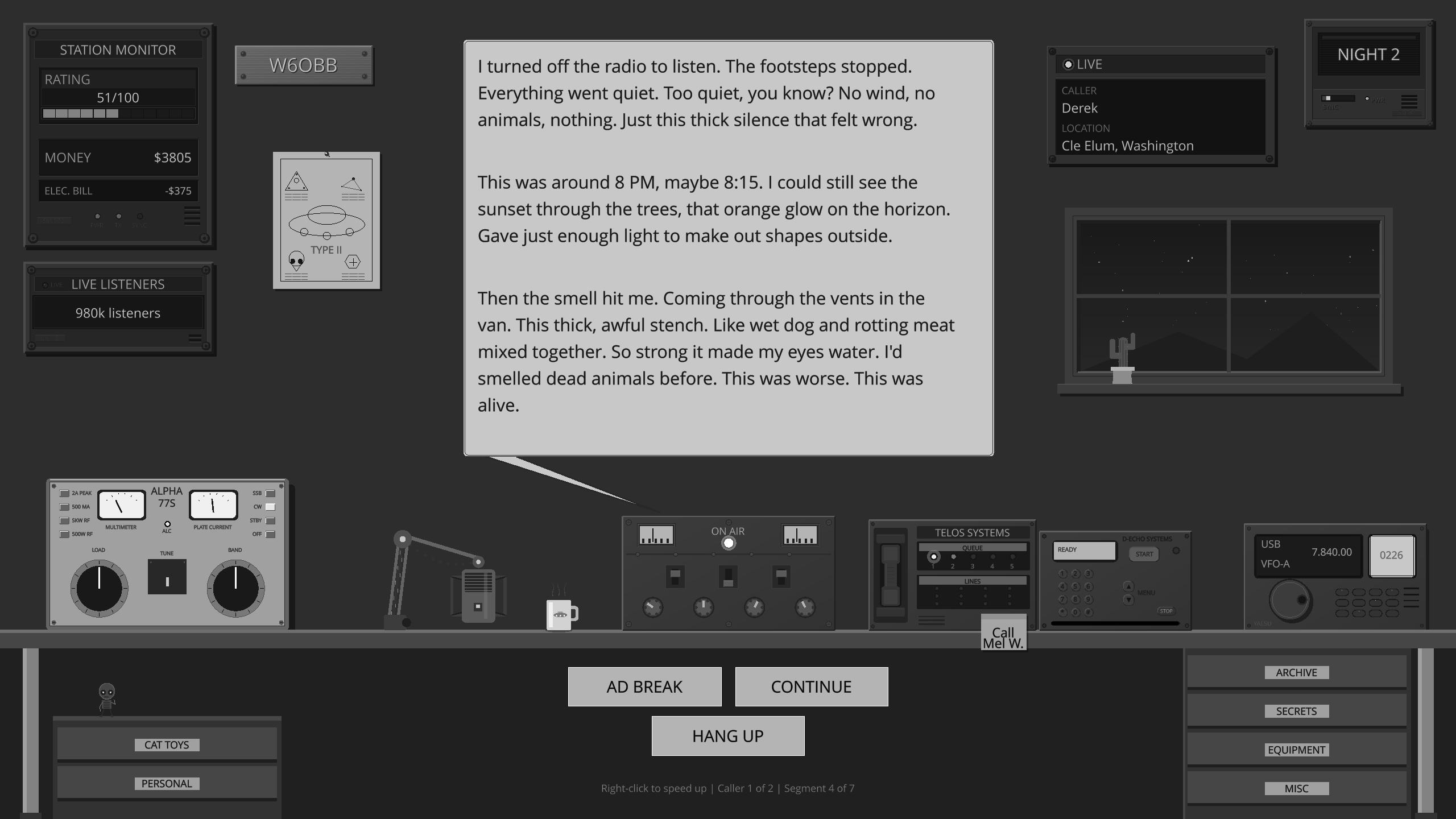
Ever wanted to host your own late-night paranormal radio show?
Across the Airwaves
You're on the air. Callers bring Mothman, Fresno Nightcrawlers, UFO sightings, reptilian autopsies, and whispers about AATIP and Project Blue Book. Every reply shapes how the night goes.

AI-Generated Summary
The FAA investigated a November 1986 report of a UFO pacing a JAL cargo flight over Alaska. They concluded the radar returns were technical errors and found no evidence of an actual object.
This document is a compilation of Federal Aviation Administration (FAA) records, press releases, and internal logs regarding a reported UFO sighting by the crew of Japan Air Lines (JAL) flight 1628 on November 17, 1986. The flight, a Boeing 747 cargo plane en route from Iceland to Japan via Anchorage, Alaska, was piloted by Captain Kenjyu Terauchi, accompanied by First Officer Takanori Tamefuji and Flight Engineer Yoshio Tsukuda. During the flight over Alaska, the crew reported observing unidentified lights—described as white and yellow strobes—that paced their aircraft for approximately one hour. The objects were reported to be of significant size, with the captain describing one as potentially larger than an aircraft carrier. The crew performed maneuvers, including a 360-degree turn and altitude changes, in an attempt to identify or evade the objects. Air traffic controllers at the Anchorage Air Route Traffic Control Center (ARTCC) and military radar at Elmendorf AFB initially reported tracking a second target in the vicinity of the JAL flight. However, a subsequent investigation by the FAA, utilizing radar data reviewed at the Technical Center in Atlantic City, concluded that the second target was an 'uncorrelated primary and beacon target return'—a technical phenomenon where the primary radar reflection and the transponder signal do not align, creating the appearance of a second aircraft. The FAA officially stated that they were unable to confirm the presence of any other aircraft and that the safety of the air traffic control system was not compromised. The document includes extensive logs of media inquiries received by the FAA Alaskan Region office, reflecting significant public and international press interest in the incident. A second, unrelated sighting reported by Captain Terauchi on January 11, 1987, is also mentioned, which the FAA attributed to a possible 'bounce light effect' caused by temperature inversions and ground lights. The FAA concluded its involvement by stating there was nothing further to investigate.
It is unfortunate that the uncorrelated target phenomena occurred just when a pilot was reporting seeing something outside his aircraft.
PDF not loading? Download the PDF directly
Official Assessment
The FAA determined the second radar target was an 'uncorrelated primary and beacon target return' from the JAL Boeing 747, not another aircraft.
The FAA concluded that the safety of the air traffic control system was not compromised and that the radar phenomena was a technical error.
Witnesses
- Kenjyu TerauchiCaptainJapan Air Lines
- Takanori Tamefuji1st OfficerJapan Air Lines
- Yoshio TsukudaFlight EngineerJapan Air Lines
Key Persons
- Richard HainesNASA scientist
- EngenAdministrator