Declassified UFO / UAP Document
Correspondence between Civilian U.F.O. Research and Major William T. Coleman, USAF
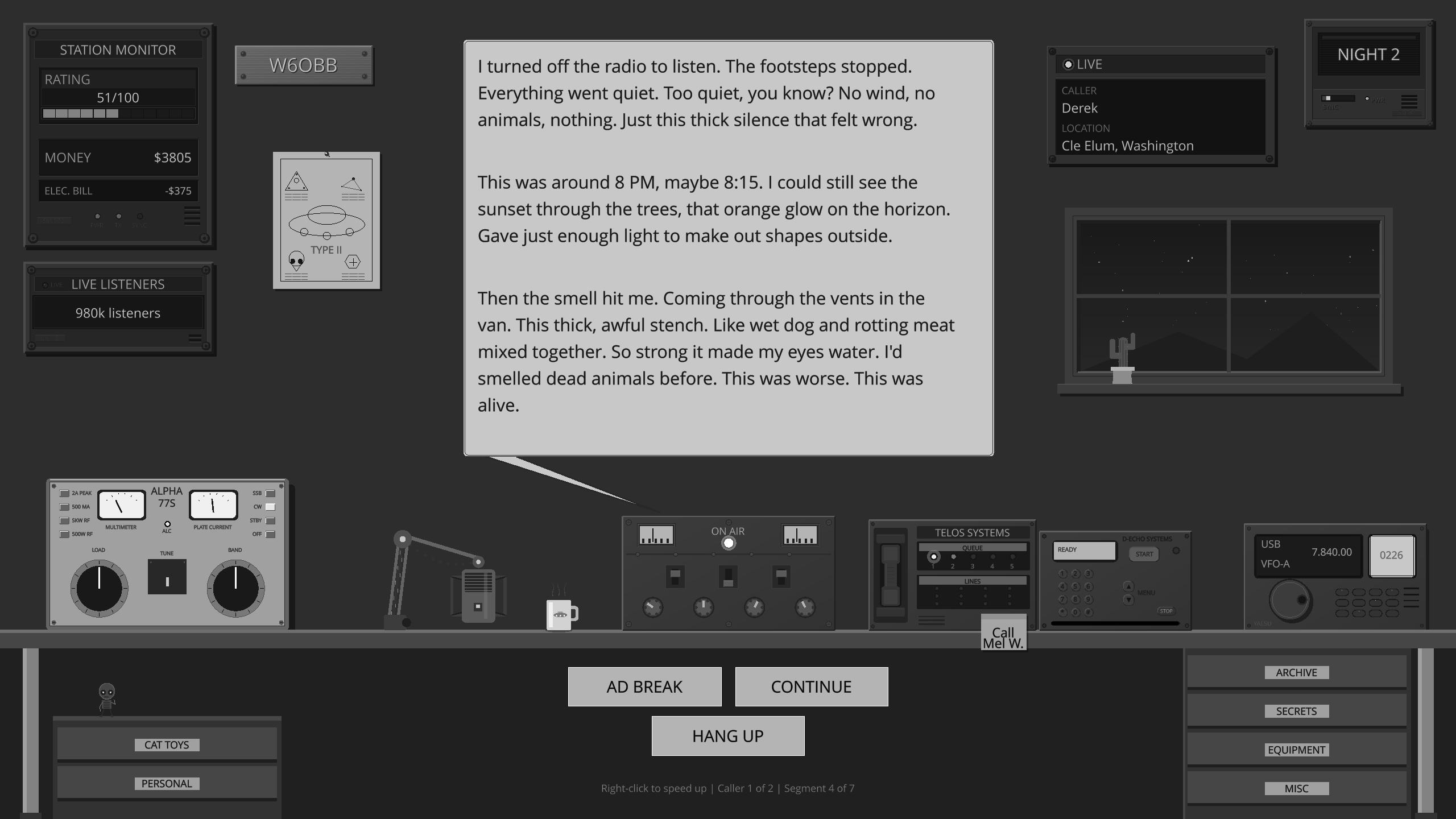
Ever wanted to host your own late-night paranormal radio show?
Across the Airwaves
You're on the air. Callers bring Mothman, Fresno Nightcrawlers, UFO sightings, reptilian autopsies, and whispers about AATIP and Project Blue Book. Every reply shapes how the night goes.

AI-Generated Summary
This document collection details 1961 correspondence between civilian UFO researchers and the USAF regarding sighting reports and security regulations. It highlights the Air Force's policy on civilian reporting and the potential legal risks associated with disclosing information deemed vital to national security.
This document collection consists of correspondence between David L. Daughters, Director of Civilian U.F.O. Research, and Major William T. Coleman of the United States Air Force Public Information Division, spanning from May to October 1961. The primary focus of the exchange is the Air Force's handling of UFO sighting reports and the security implications of civilian reporting under regulations such as AFR 200-2 and JANAP 146(c). Daughters repeatedly requests information regarding specific sightings, including a luminous globe reported in Rushville, Nebraska, in January 1961, and various incidents in the Chicago area. Major Coleman responds by providing limited information, often citing the difficulty of verifying reports after a significant time lag. Regarding the Rushville incident, Coleman suggests that the reported pungent odor is consistent with ozone left by lightning or fireballs. A significant portion of the correspondence addresses the legal and security boundaries of UFO reporting. Coleman warns that while the Air Force does not prevent civilian reporting, individuals must be aware that reports involving vital intelligence could potentially trigger Espionage Laws. He clarifies that the Air Force is not the primary enforcement agency for these laws, but that other federal agencies, such as the Federal Bureau of Investigation, hold jurisdiction. The collection also includes a 'Project 10073 Record' form for a sighting in Cuyahoga Falls, Ohio, which was ultimately classified as 'Information Only' due to the time lag between the event and the report. Additionally, the file contains a series of sighting summaries from January 1961, detailing various reports from around the world, including incidents in Venezuela, the Pacific Ocean, and Texas, with evaluations ranging from 'Astro (Meteor)' to 'Insufficient Data.' The documents reflect the tension between civilian researchers seeking transparency and the military's cautious approach to managing information that might intersect with national security protocols.
Regarding the cited publications in your letter of June 1st, I must point out to you that the Air Force cannot prevent civilians from doing what they will. We must warn them should their acts or intentions involve the Espionage Laws and should they not heed this warning, then we immediately notify the Federal Bureau of Investigation which does have jurisdiction.
PDF not loading? Download the PDF directly
Official Assessment
Lightning and fireballs leave a pungent odor (ozone).
The Air Force maintains that it cannot prevent civilians from reporting sightings, but warns that such reports may involve Espionage Laws if they concern vital intelligence.
Key Persons
- David L. DaughtersDirector, Civilian U.F.O. Research
- TackerLt. Col. (then Major)