Declassified UFO / UAP Document
Project 10073 Record Card and Related Correspondence — Misawa AB, Japan, October 1960
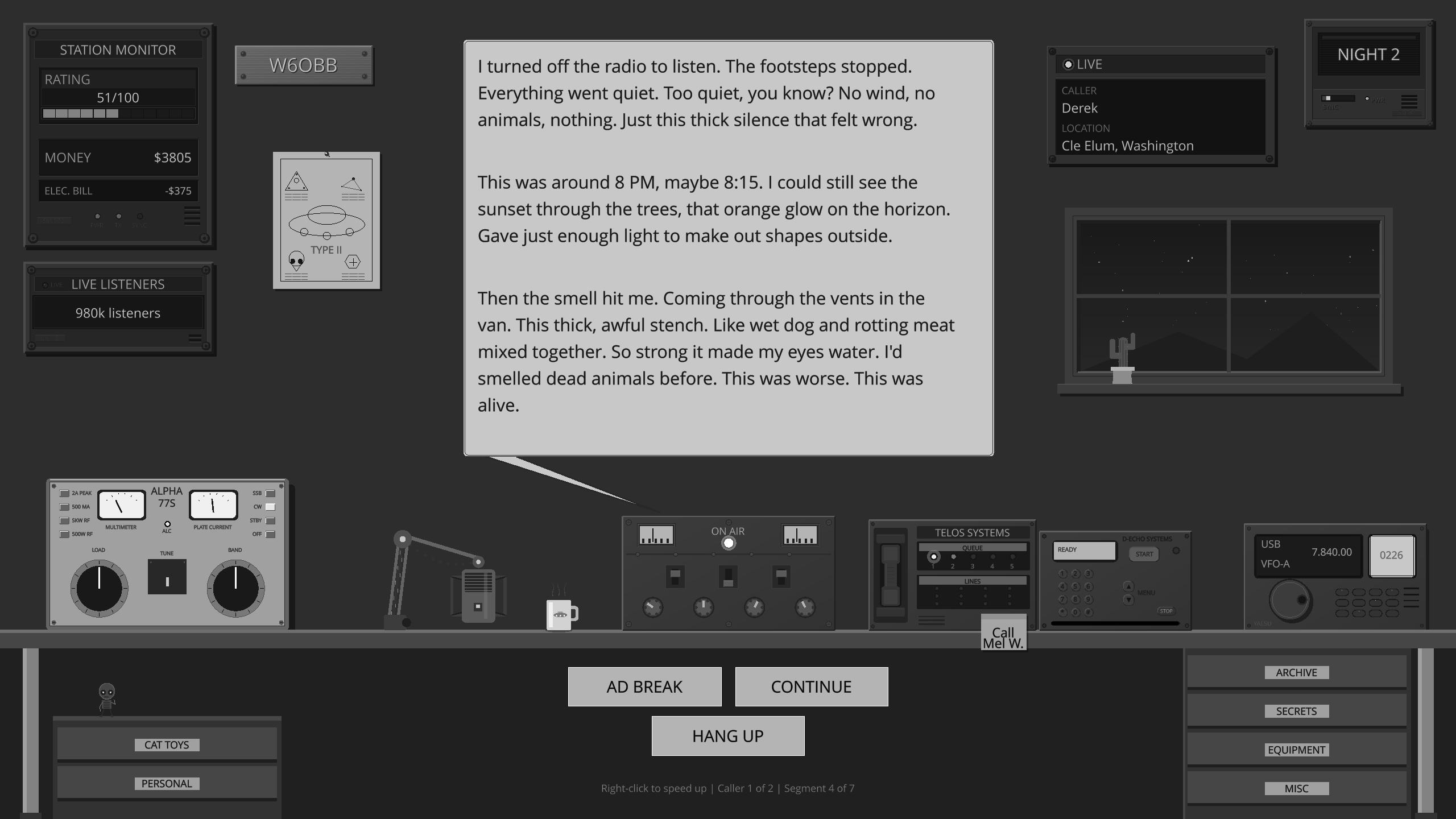
Ever wanted to host your own late-night paranormal radio show?
Across the Airwaves
You're on the air. Callers bring Mothman, Fresno Nightcrawlers, UFO sightings, reptilian autopsies, and whispers about AATIP and Project Blue Book. Every reply shapes how the night goes.

AI-Generated Summary
A USAF pilot reported a short-duration orange flash near Misawa AB, Japan, on October 11, 1960. Military intelligence concluded the phenomenon was likely a meteor.
This document contains a Project 10073 record card and subsequent military correspondence regarding an unidentified aerial phenomenon observed on October 11, 1960, near Misawa Air Base, Japan. A USAF pilot reported observing a single object, described as having the shape of a half-moon and the size of a half-baseball, which emitted an orange, explosive-type flash. The sighting lasted approximately 1.5 seconds. The object was observed at an altitude of 20,000 feet while the pilot was flying on a 90-degree magnetic heading. The sky was clear with no clouds. Following the initial report, the 39th Air Division Intelligence Officer, Major Russell JJ Christenson, provided further details, noting that the object appeared and disappeared within the short duration of the sighting and that no other witnesses were present. Agencies including the GSDF, JASDF, and ADCC were contacted with negative results. Major Robert J. Friend of ATIC subsequently requested clarification on how the pilot determined the object was an 'explosive type flash' and how the size and elevation were calculated. In a follow-up response, the 39th Air Division clarified that the term 'explosive type' was used only to describe the short duration of the flash and that the object did not possess the intrinsic characteristics of an actual explosion. The official conclusion reached by the evaluating authorities was that the object was likely a meteor, noting that the radiant of the meteor was close to the line of sight and that the absence of reported lateral velocity was consistent with this assessment.
Possibilities that object was a meteor are very great.
PDF not loading? Download the PDF directly
Official Assessment
Possibilities that object was a meteor are very great.
The object was likely a meteor. The witness's description of an 'explosive type flash' was interpreted as a short-duration event rather than an actual explosion. The lack of lateral velocity and the proximity to the line of sight of the radiant of a meteor support this conclusion.
Key Persons
- Russell JJ ChristensonMajor, 39th Air Division Intelligence Officer
- Robert J. FriendMajor, USAF