Declassified UFO / UAP Document
ATIC Capability for Investigating Sightings of Unidentified Aerial Phenomena
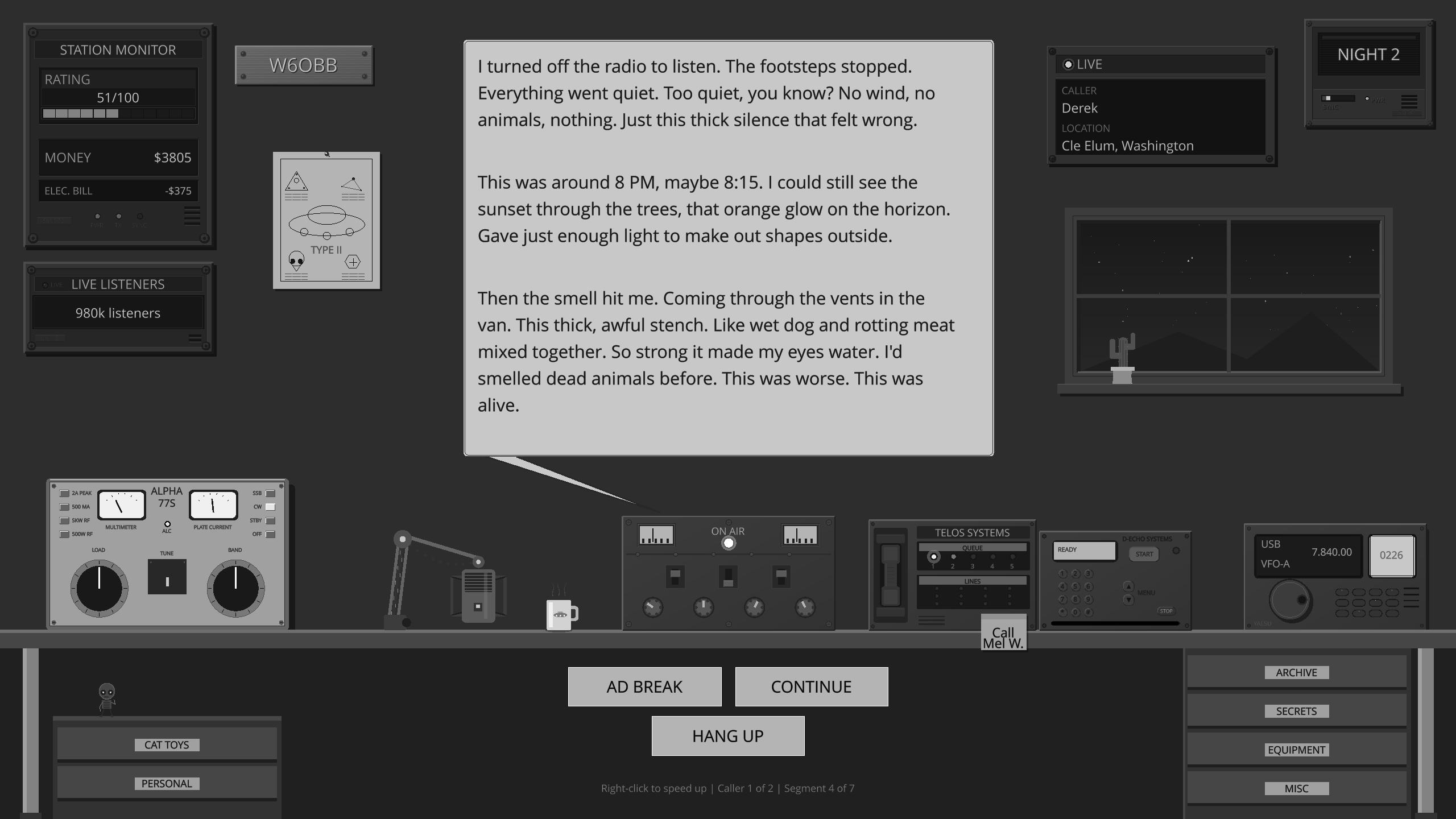
Ever wanted to host your own late-night paranormal radio show?
Across the Airwaves
You're on the air. Callers bring Mothman, Fresno Nightcrawlers, UFO sightings, reptilian autopsies, and whispers about AATIP and Project Blue Book. Every reply shapes how the night goes.

AI-Generated Summary
This document collection records the 1960 Congressional pressure on the Air Force to improve its UFO investigation capabilities. It details the internal administrative struggle to secure funding and personnel for the Aerial Phenomena Group at ATIC.
This collection of documents details the Air Force's response to Congressional interest in the Unidentified Aerial Phenomena (UAP) program during the summer of 1960. Following briefings held between July 11 and July 15, 1960, for members of the House Armed Services Sub-Committee, the Senate Committee on Preparedness, and the CIA, it became clear that there was significant dissatisfaction with the Air Force's current investigative capabilities. Mr. Robert Smart of the House Armed Services Sub-Committee specifically argued that the Air Force needed both the personnel and the technical capability to conduct in-depth investigations into sightings of extreme significance. The documents reveal that the Aerospace Technical Intelligence Center (ATIC), which managed the program, was operating with extremely limited resources, consisting of only one commissioned officer and one non-commissioned officer in the Aerial Phenomena Group. ATIC officials, including Major Robert J. Friend and Colonel Philip G. Evans, repeatedly requested additional funding—specifically $3,000 for travel—and the assignment of an additional officer with a technical or scientific background to meet these new demands. The correspondence tracks the internal administrative process of these requests, including the coordination between various Air Force offices such as SAFOI and AFCIN. Despite the urgency expressed by Congressional members, the Air Force struggled to secure these resources, often citing the constraints of current manning documents and the commitment of personnel to other intelligence efforts. The documents also touch upon the influence of private organizations like NICAP, led by Major Donald S. Keyhoe, which were actively pressuring the government and fueling public interest. By March 1961, ATIC had opted for a different solution: rather than assigning one officer full-time, they utilized a pool of four officers on an on-call basis, leveraging their diverse backgrounds in physics, chemistry, and electronics to handle investigations more efficiently. The records underscore the Air Force's attempt to balance the political necessity of addressing Congressional concerns with the practical limitations of their existing intelligence infrastructure.
Mr Robert Smart of the Armed Services Committee stated that the investigative capability of Air Force Bases, as currently provided, is limited to routine cases.
PDF not loading? Download the PDF directly
Official Assessment
ATIC required increased capability and funding to investigate significant UFO sightings as requested by Congressional committees.
Key Persons
- Robert SmartHouse Armed Services Sub-Committee member
- Stuart FrenchSenate Committee on Preparedness member
- J. Allen HynekAir Force Consultant
- Donald S. KeyhoeHead of NICAP