Declassified UFO / UAP Document
Correspondence regarding the transfer of the UFO program from intelligence to scientific oversight
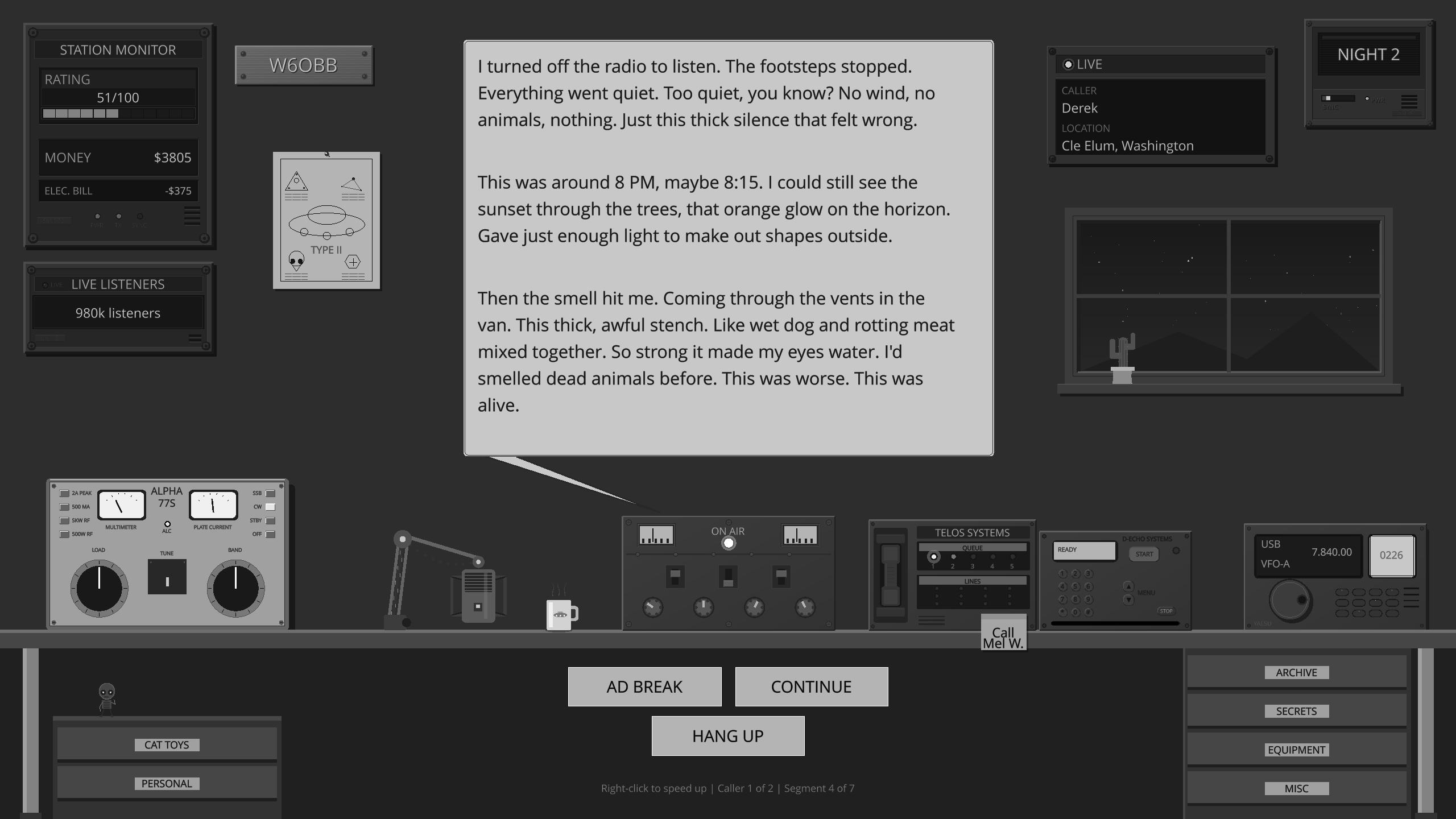
Ever wanted to host your own late-night paranormal radio show?
Across the Airwaves
You're on the air. Callers bring Mothman, Fresno Nightcrawlers, UFO sightings, reptilian autopsies, and whispers about AATIP and Project Blue Book. Every reply shapes how the night goes.

AI-Generated Summary
The Air Force debated moving the UFO program from intelligence to scientific oversight between 1960 and 1962 to reduce public suspicion. The Foreign Technology Division ultimately recommended discontinuing the program as a special project, citing 15 years of study with no evidence of interplanetary threats.
This collection of documents chronicles the internal Air Force debate between 1960 and 1962 regarding the management and future of the Unidentified Flying Objects (UFO) program, specifically Project Blue Book. The correspondence begins with Dr. J. Allen Hynek, a consultant to the Aerospace Technical Intelligence Center (ATIC), suggesting to General B. C. Holzman in February 1960 that the scientific aspects of the UFO problem should be transferred from an intelligence-focused division to a scientific one, such as the Geophysics Research Directorate. Hynek argued that the intelligence context created an 'aura of mystery' and public distrust, whereas a scientific approach could better analyze atmospheric phenomena.
By April 1962, the discussion intensified following a briefing for Mr. Edward R. Trapnell, Assistant for Public Relations to the Secretary of the Air Force. Trapnell had become interested in the matter after discussions with Dr. Robert Calkins of the Brookings Institute, who suggested that the Air Force's involvement in UFOs was causing unnecessary negative publicity and that an independent citizen committee might be a better approach. The Foreign Technology Division (FTD), which had assumed responsibility for the program, prepared reports for internal review. FTD concluded that after 15 years and over 7,300 cases, there was no evidence that UFOs were interplanetary vehicles or a threat to national security.
FTD strongly recommended discontinuing the UFO program as a special project. They proposed that the responsibility for investigating sightings should be absorbed by local Air Force facilities, with the primary objective being the determination of threat potential rather than the identification of every object. FTD officials argued that transferring the program to another agency, such as NASA or the Smithsonian, was not feasible because those agencies would not want to inherit the associated public relations burden. If the program were to continue, FTD suggested it be divorced from intelligence and placed under a scientific structure, staffed by personnel capable of conducting an effective public relations program to eventually phase out the project. The documents reflect a consistent effort by the Air Force to minimize the program's profile and shift the burden of public perception away from the intelligence community.
The subject of Unidentified Flying Objects more logically belongs in a scientific office rather than in an intelligence center.
PDF not loading? Download the PDF directly
Official Assessment
No evidence has become available to the Air Force indicating that UFO's constitute a threat to national security or are interplanetary vehicles bearing life or intelligence of any sort.
The Foreign Technology Division (FTD) recommended that the UFO program be discontinued as a special project, as 15 years of study yielded no evidence of interplanetary vehicles. They suggested that sightings be handled by local Air Force facilities to determine threat potential, or alternatively, that the program be moved to a scientific organization to remove the 'aura of mystery' associated with intelligence agencies.
Key Persons
- Edward R. TrapnellAssistant for Public Relations to the Secretary of the Air Force
- Robert CalkinsPresident of Brookings Institute
- B. A. SchrieverLieutenant General, Director of the new Air Force Research Division
- A. P. GaggeColonel, assumed Directorship of the Office of Scientific Research
- Joe KittingerCaptain, pilot for high altitude manned balloon flights
- ZuckertSecretary of the Air Force