Declassified UFO / UAP Document
Project 10073 Record Card — Goose AFB, Labrador, 2 August 1959
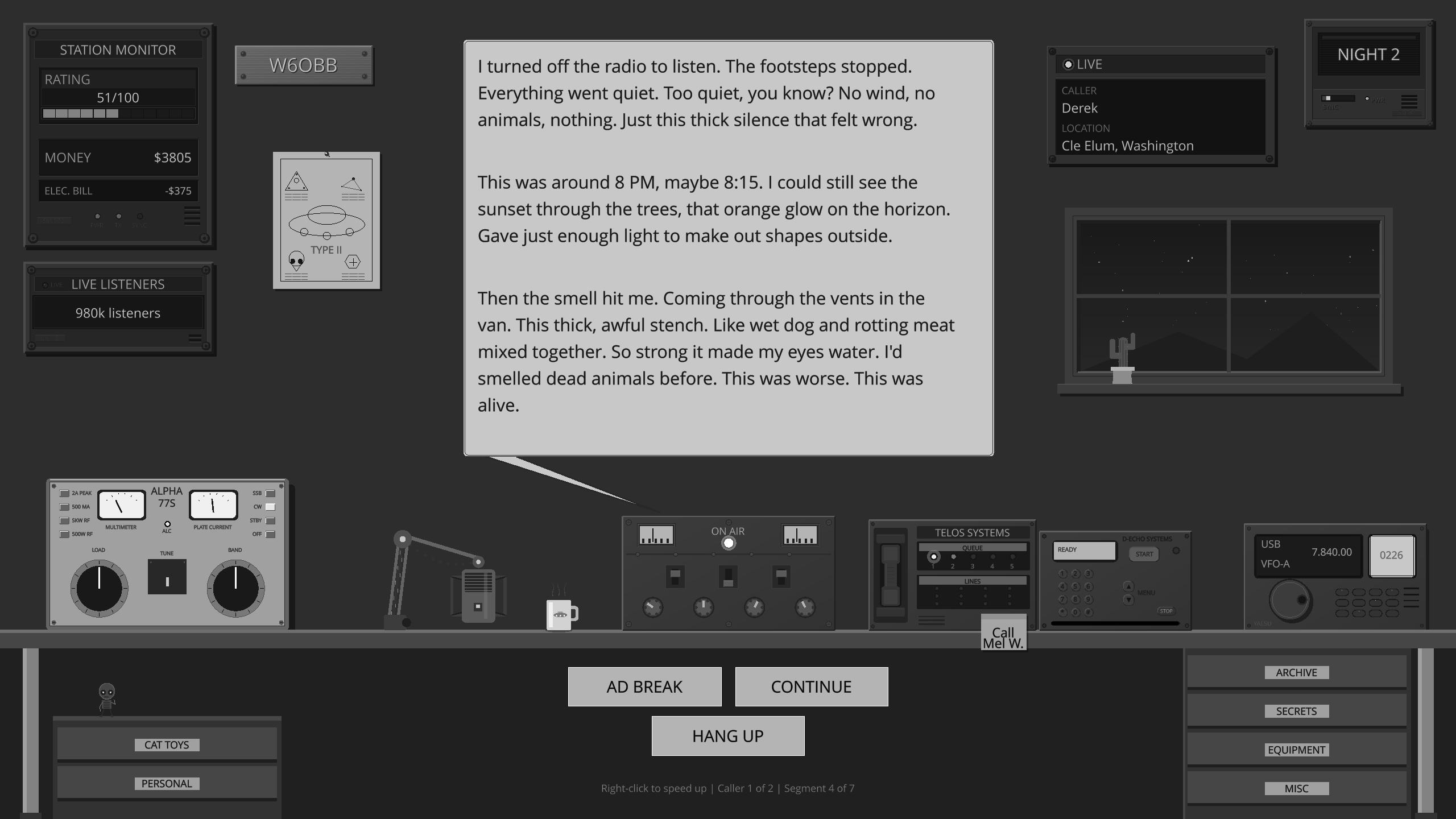
Ever wanted to host your own late-night paranormal radio show?
Across the Airwaves
You're on the air. Callers bring Mothman, Fresno Nightcrawlers, UFO sightings, reptilian autopsies, and whispers about AATIP and Project Blue Book. Every reply shapes how the night goes.

AI-Generated Summary
An experienced RCAF pilot observed a bright, white, star-like object for 25 minutes over Goose AFB, Labrador, in 1959. Military investigators ruled out conventional explanations, including stars, balloons, and aircraft, ultimately classifying the case as having insufficient data.
On August 2, 1959, at approximately 0458Z, Flight Lieutenant M.S. Mowat of the Royal Canadian Air Force (RCAF) observed an unidentified aerial phenomenon near Goose Air Force Base in Labrador, Canada. The witness, described as an experienced rated pilot, reported seeing a large, bright white light that appeared on the horizon at a bearing of 240 degrees. The object remained in sight for 25 minutes, moving from the horizon to a position directly overhead. The weather conditions at the time were reported as clear with 20-mile visibility. The sighting was documented via a Project 10073 record card and an emergency teletype report from the 64th CONAD CC to various military intelligence commands, including the Air Technical Intelligence Center (ATIC). Subsequent internal analysis evaluated several potential explanations for the light. Stars were ruled out because the object's movement did not match celestial patterns. Balloons were discounted because the object's speed exceeded the highest wind velocity reported during the sighting, and the wind direction did not align with the object's motion. Meteors, comets, and satellites were excluded due to the 25-minute duration of the observation, which far exceeded the typical duration for such phenomena. Aurora activity was also ruled out as the object was too localized and no aurora was reported at the time. While aircraft were considered, the report noted that the witness was an experienced pilot capable of identifying aircraft lights, and there was no known air traffic in the area that could account for the sighting. Ultimately, the investigation concluded that the cause of the sighting remained unknown. In accordance with policy regarding single-witness reports, the case was officially classified as having insufficient evidence.
The witness is an experienced pilot and it can be assumed that he should recognize aircraft lights.
PDF not loading? Download the PDF directly
Official Assessment
Insufficient data for evaluation
The object was a bright, white, star-like light. Analysis ruled out stars, balloons, meteors, comets, and aurora. Aircraft was considered unlikely due to the witness being an experienced pilot and the lack of reported aircraft in the area. The case was classified as insufficient evidence.
Witnesses
- M. S. MowatFlight LtRCAF
Key Persons
- M. S. MowatWitness/Pilot