Declassified UFO / UAP Document
Project 10073 Record Card and Related Correspondence — Pacific Sighting, July 11, 1959
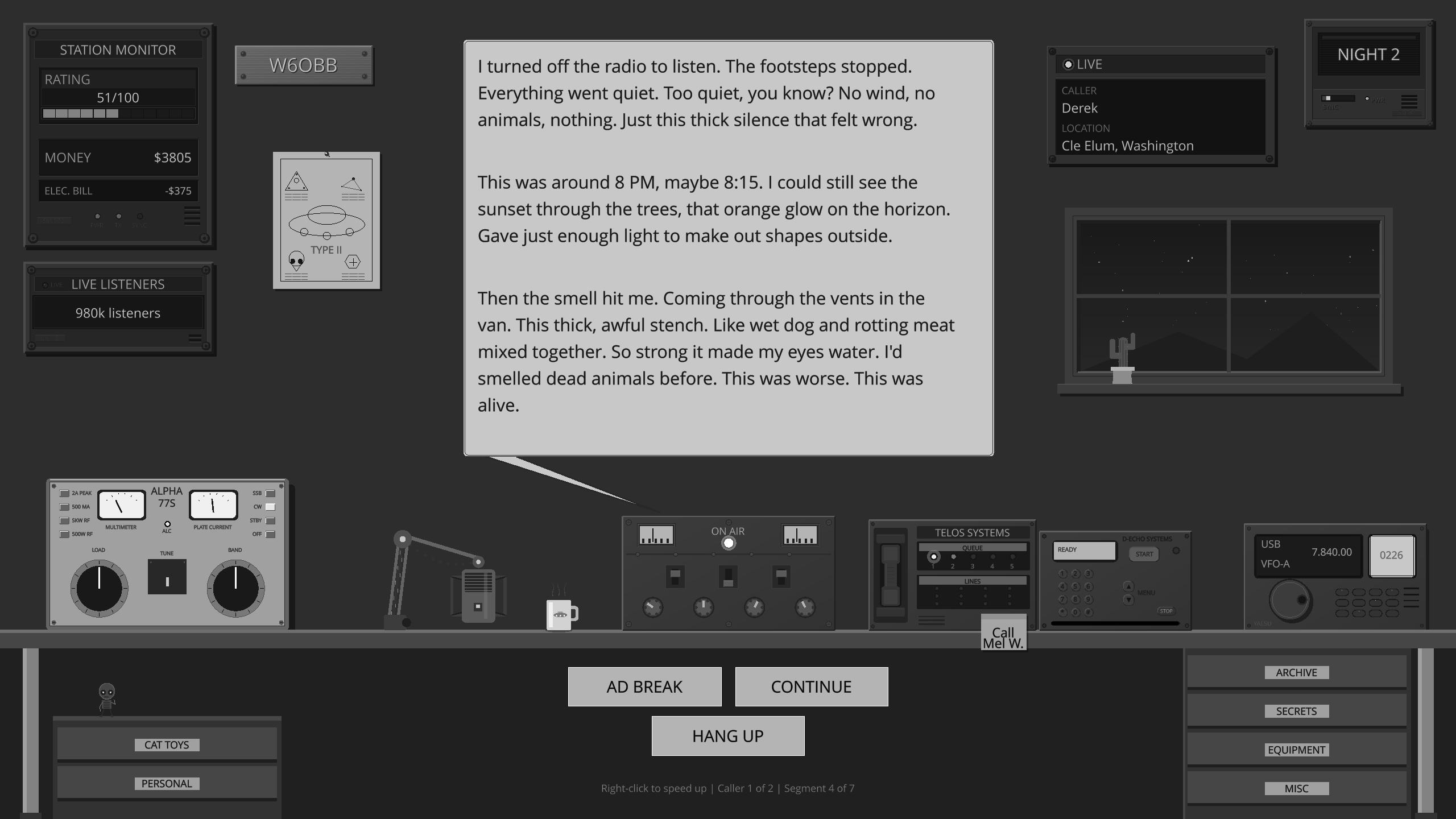
Ever wanted to host your own late-night paranormal radio show?
Across the Airwaves
You're on the air. Callers bring Mothman, Fresno Nightcrawlers, UFO sightings, reptilian autopsies, and whispers about AATIP and Project Blue Book. Every reply shapes how the night goes.

AI-Generated Summary
Multiple commercial airline pilots reported sightings of a bright, multi-light formation over the Pacific on July 11, 1959. The Air Force officially attributed these sightings to a large meteor or 'fireball' after a rapid investigation.
This document archive details a series of Unidentified Aerial Phenomena (UAP) sightings reported on July 11, 1959, by multiple commercial airline crews operating over the Pacific Ocean. The reports, filed under the CIRVIS (Communication Instructions for Reporting Vital Intelligence Sightings) system and processed by the Air Technical Intelligence Center (ATIC) under Project 10073, describe an exceptionally bright object accompanied by a cluster of smaller lights. Witnesses, including Captain George Wilson of Pan American Airways, described the object as moving at 'inconceivable' speeds, performing sharp turns, and maintaining a formation that appeared to be a large central light surrounded by four to seven smaller lights. The color was variously reported as pure white or orange-yellow. The duration of the sightings ranged from three to fifteen seconds. The official Air Force investigation, completed by September 1959, concluded that the phenomenon was likely an exceptionally bright meteor, referred to as a 'fireball' or 'bolide.' Major Lawrence J. Tacker of the USAF Office of Information Services communicated this conclusion to K. Gösta Rehn, a Swedish correspondent who had inquired about the sightings. The archive includes various internal military messages, flight position plots, and press clippings from The Indianapolis Star and other sources, which highlight the public and media interest in the event. Despite the official 'meteor' explanation, the reports from the pilots emphasize the unusual behavior of the objects, such as the ability to change brightness and perform high-speed maneuvers, which led some pilots to express skepticism regarding the meteor classification. The documents reflect the standard military procedure for handling such reports during the era, emphasizing rapid correlation of data and the dissemination of a consistent, natural-phenomenon-based explanation to the public.
These sightings were attributed to an exceptionally bright and large meteor called a 'fire ball' or 'bolide.'
PDF not loading? Download the PDF directly
Official Assessment
Meteor or unexplainable natural phenomena; fireball.
The sightings were attributed to an exceptionally bright and large meteor called a 'fire ball' or 'bolide'.
Witnesses
- George WilsonCaptainPan American Airways
- E. G. KelleyCaptainPan American Airways
- Richard LorenzenCopilotPan American Airways
- Robert ScottFlight EngineerPan American Airways
Key Persons
- K. Gösta RehnCorrespondent