Declassified UFO / UAP Document
Project 10073 Record Card — Tulsa, Oklahoma, 17-18 January 1958
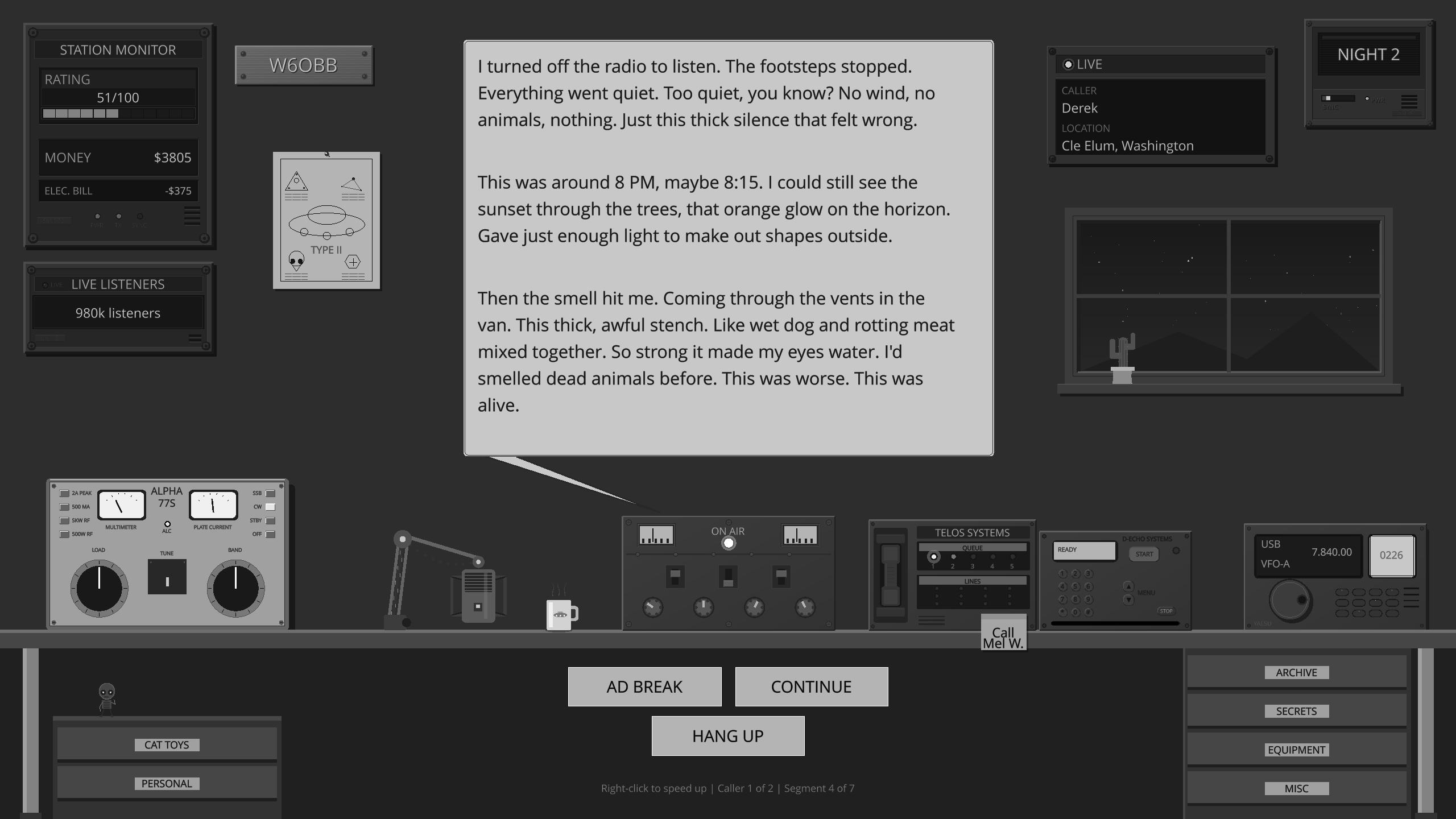
Ever wanted to host your own late-night paranormal radio show?
Across the Airwaves
You're on the air. Callers bring Mothman, Fresno Nightcrawlers, UFO sightings, reptilian autopsies, and whispers about AATIP and Project Blue Book. Every reply shapes how the night goes.

AI-Generated Summary
A civilian in Tulsa, Oklahoma, reported finding a suspected missile nose cone in 1958. Air Force investigation identified the object as a magnesium-base sacrificial anode used for pipeline corrosion prevention.
This document file details the recovery and subsequent investigation of an object found by a civilian in Tulsa, Oklahoma, in January 1958. The individual, an undergraduate aeronautical engineering student, discovered the object while rock hunting and initially believed it to be a meteor. Upon closer inspection, he concluded it was a missile nose cone, specifically resembling a 'Jupiter C' nose cone, and contacted the Air Technical Intelligence Center (ATIC) at Wright-Patterson Air Force Base. The object was described as aluminum, weighing approximately 6 pounds and 4 ounces, with a surface that appeared to have been oxidized by heat. The Air Force initiated a formal investigation, involving the 2854th Air Base Wing at Tinker Air Force Base and the Office of Special Investigations (OSI). The object was recovered and transferred to military custody for technical analysis. ATIC requested X-ray and spectrographic examinations to determine its composition and origin. The technical analysis, conducted by the 'Corrosion Division,' revealed that the object was not a missile component but rather a magnesium-base sacrificial anode used for the prevention of galvanic erosion in underground pipelines. The report notes that the object contained a metallic plug and wires, which are standard features for such anodes. Following the identification, the civilian owner was informed of the object's true nature. He signed a release form, relinquishing all rights, title, and interest in the item to the Air Force. The investigation was subsequently closed. The file includes correspondence between various military offices, authorization and release forms signed by the finder, and internal memos documenting the identification process. The investigators expressed some skepticism regarding the finder's inability to identify the object, given his background in aeronautical engineering and his employment history in the aircraft industry, though they stopped short of explicitly accusing him of an attempted hoax. The case serves as an example of the Air Force's procedure for handling civilian reports of potential UFOs or aerospace debris, emphasizing the importance of technical identification to rule out mundane explanations.
Physical analysis confirmed obj as pipe cleaning anode that is used to prevent galvanic erosion.
PDF not loading? Download the PDF directly
Official Assessment
Physical analysis confirmed obj as pipe cleaning anode that is used to prevent galvanic erosion.
The object was identified as a magnesium-base sacrificial anode used for corrosion prevention in pipelines, not a missile nose cone.
Witnesses
- [illegible]Civilian
Key Persons
- Albert C. NaumLt Col, Chief, OSI 11th District
- Lester D. TroutmanMajor, USAF, Chief, Base Security Division
- G.T. GregoryCaptain, USAF