Declassified UFO / UAP Document
Science News Letter - March 23, 1957
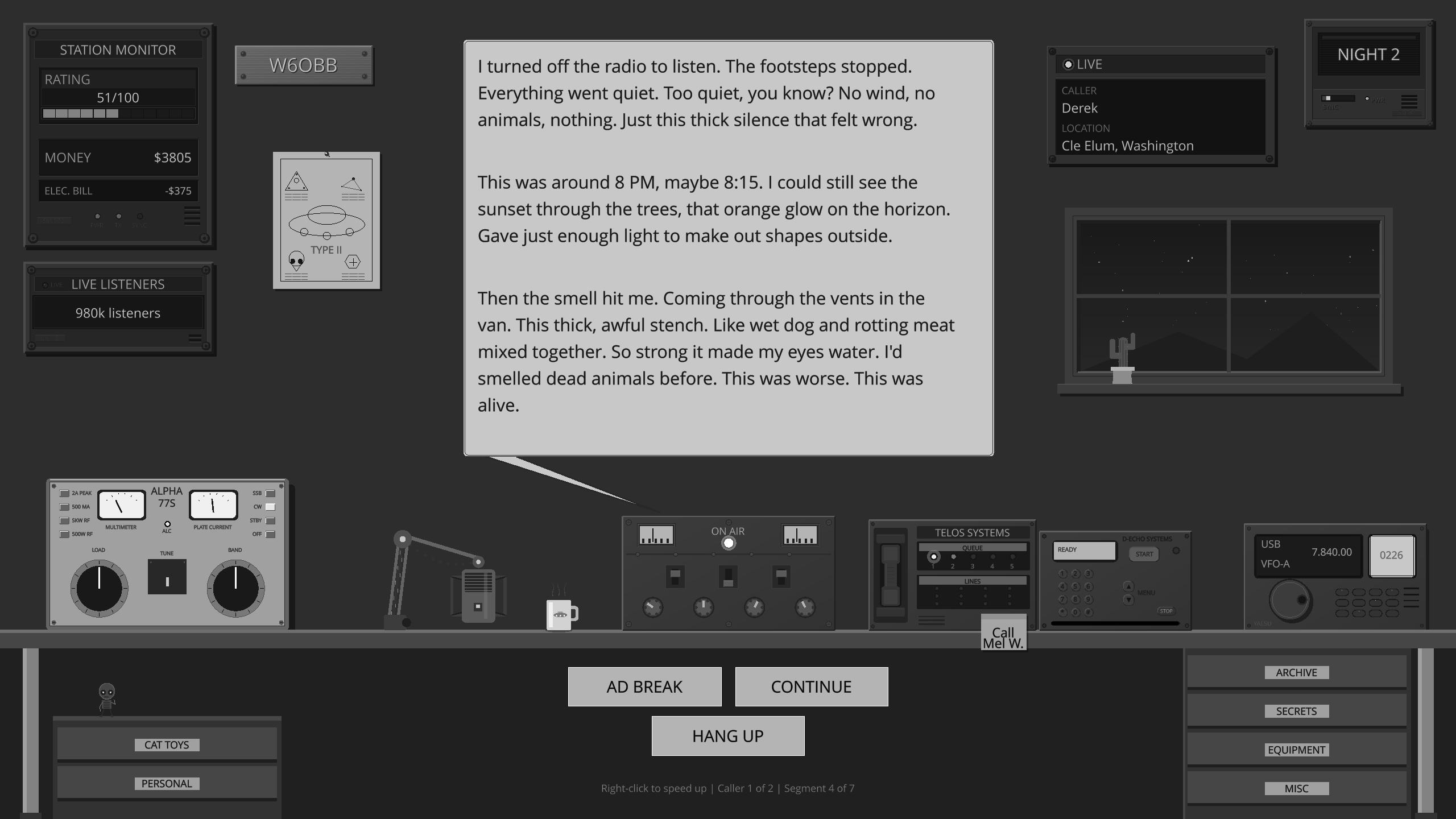
Ever wanted to host your own late-night paranormal radio show?
Across the Airwaves
You're on the air. Callers bring Mothman, Fresno Nightcrawlers, UFO sightings, reptilian autopsies, and whispers about AATIP and Project Blue Book. Every reply shapes how the night goes.
AI-Generated Summary
This document is a March 1957 issue of Science News Letter, featuring scientific reports on medicine, public health, and astronomy. It includes a detailed guide on the expected visibility of Comet Arend-Roland and information regarding an upcoming solar eclipse.
This document is an issue of the Science News Letter dated March 23, 1957. It contains various scientific reports, including articles on metallurgy regarding powerful magnets made from Supermendur, medical reports on drug addiction among physicians, public health statistics on tuberculosis among college students, and nutritional requirements for B vitamins. A significant portion of the document is dedicated to astronomy, specifically the visibility of Mercury and the upcoming annular eclipse of the sun on April 29, 1957. The article by James Stokley provides detailed information on the expected appearance of Comet Arend-Roland, which was discovered by two Belgian astronomers on November 8, 1956. The text notes that the comet is expected to be the largest and most spectacular of the 20th century, potentially brighter than Halley's Comet. It provides guidance on how to observe the comet and mentions that it will be visible to the naked eye in late April and early May. The document also includes a celestial time table for April 1957 and provides safety advice for viewing the solar eclipse, warning against the use of smoked glass or welder's goggles. The publication serves as a general scientific digest for the public, covering a wide range of contemporary research and astronomical events.
If the comet lives up to expectations, it will be the biggest and most spectacular of its breed during the 20th century, brighter than Halley's Comet, last seen in 1910.
PDF not loading? Download the PDF directly
Key Persons
- James StokleyAuthor of astronomy article