Declassified UFO / UAP Document
Project 10073 Record Card and Correspondence Regarding 'Angel Hair' Specimens
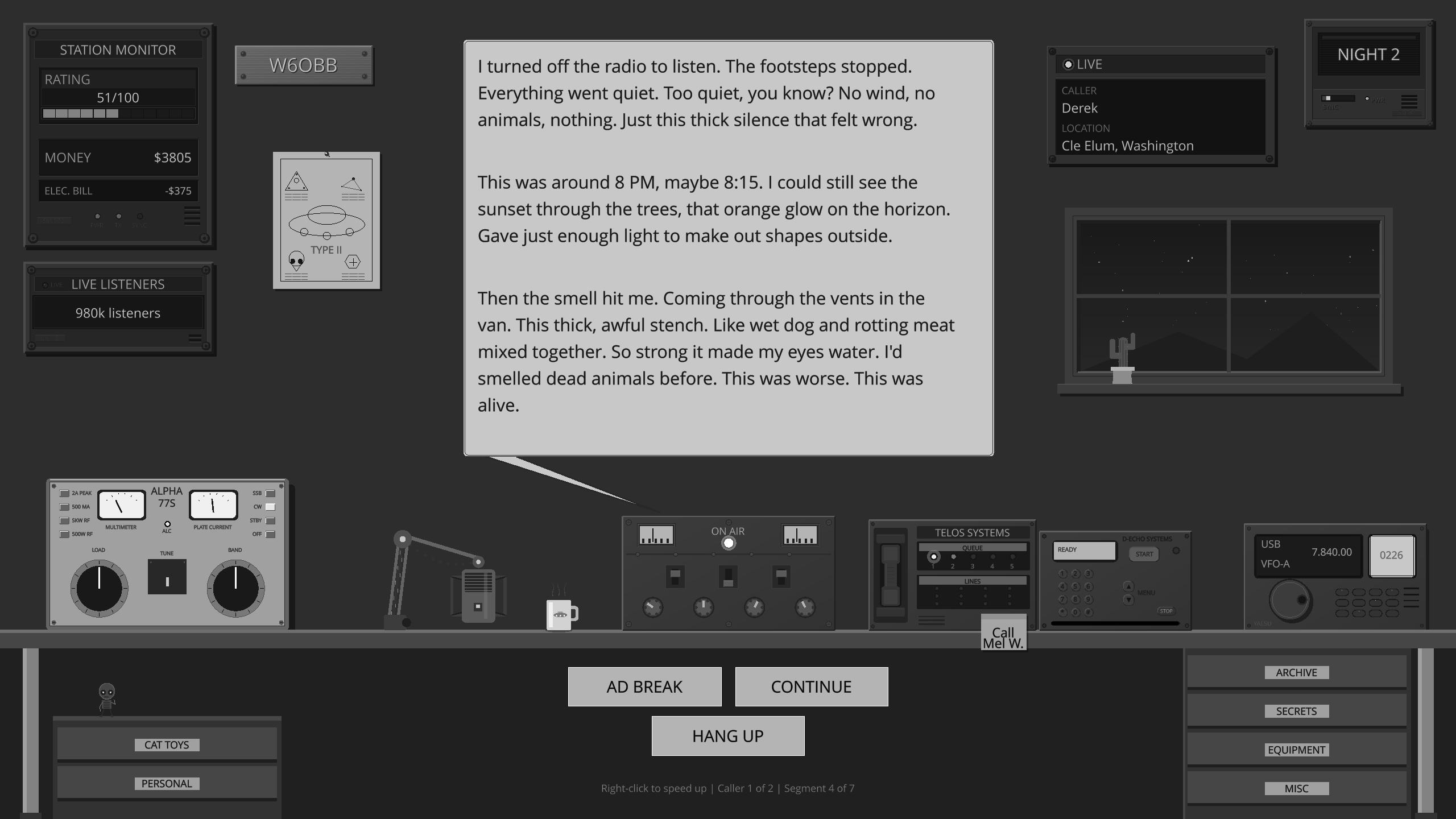
Ever wanted to host your own late-night paranormal radio show?
Across the Airwaves
You're on the air. Callers bring Mothman, Fresno Nightcrawlers, UFO sightings, reptilian autopsies, and whispers about AATIP and Project Blue Book. Every reply shapes how the night goes.

AI-Generated Summary
The Air Force investigated 'angel hair' samples submitted by CRIFO director Leonard Stringfield. ATIC analysis identified the material as industrial rayon waste from a local factory, dismissing claims of extraterrestrial origin.
This document collection details the investigation by the Air Technical Intelligence Command (ATIC) into samples of 'angel hair' submitted by Leonard H. Stringfield, director of the Civilian Research, Interplanetary Flying Objects (CRIFO) organization. On September 25, 1956, Stringfield's wife observed a white, fibrous substance floating down in their yard in Cincinnati, Ohio. Stringfield collected the material and contacted ATIC, leading to an investigation by M/Sgt. Oliver D. Hill. The ATIC disposition forms and subsequent correspondence reveal a skeptical view of Stringfield, whom the Air Force characterized as a 'self-appointed UFO investigator' who had previously attempted to embarrass the military. ATIC conducted chemical and microscopic analyses of the samples, which were also compared against known textile fibers. The official conclusion reached by the Air Force was that the 'angel hair' was not of extraterrestrial origin, but rather industrial waste—specifically cuprammonium (Bemberg) rayon—that had been released into the atmosphere by a local industrial plant's defective filtering system. The documents include internal ATIC routing sheets, formal disposition forms, and correspondence between Stringfield and Air Force personnel, including Major H. C. Shaw and Captain G. T. Gregory. The file also contains photographs of the collection site and the jar containing the substance. The Air Force used this case to illustrate its frustration with private UFO organizations, noting that such investigations resulted in a 'needless loss of government time, money, man power and efforts.' The documents emphasize that the crystalline structure and non-oxidized condition of the samples were inconsistent with meteoric origin and suggested they originated from a steel mill or foundry environment.
Analysis from ASD showed specimen to be a rayon residue thrown into air by defective filter.
PDF not loading? Download the PDF directly
Official Assessment
Analysis from ASD showed specimen to be a rayon residue thrown into air by defective filter.
The material submitted as 'angel hair' was identified as industrial waste products from fibers of cuprammonium (Bemberg) rayon, likely from a local industrial plant.
Witnesses
Key Persons
- Oliver D. HillM/Sgt, investigator for ATIC
- H. K. GilbertColonel, USAF, Deputy for Science and Components
- G. T. GregoryCaptain, USAF