Declassified UFO / UAP Document
Project 10073 Record Cards and Related Correspondence — Goose Bay, Labrador, February 1956
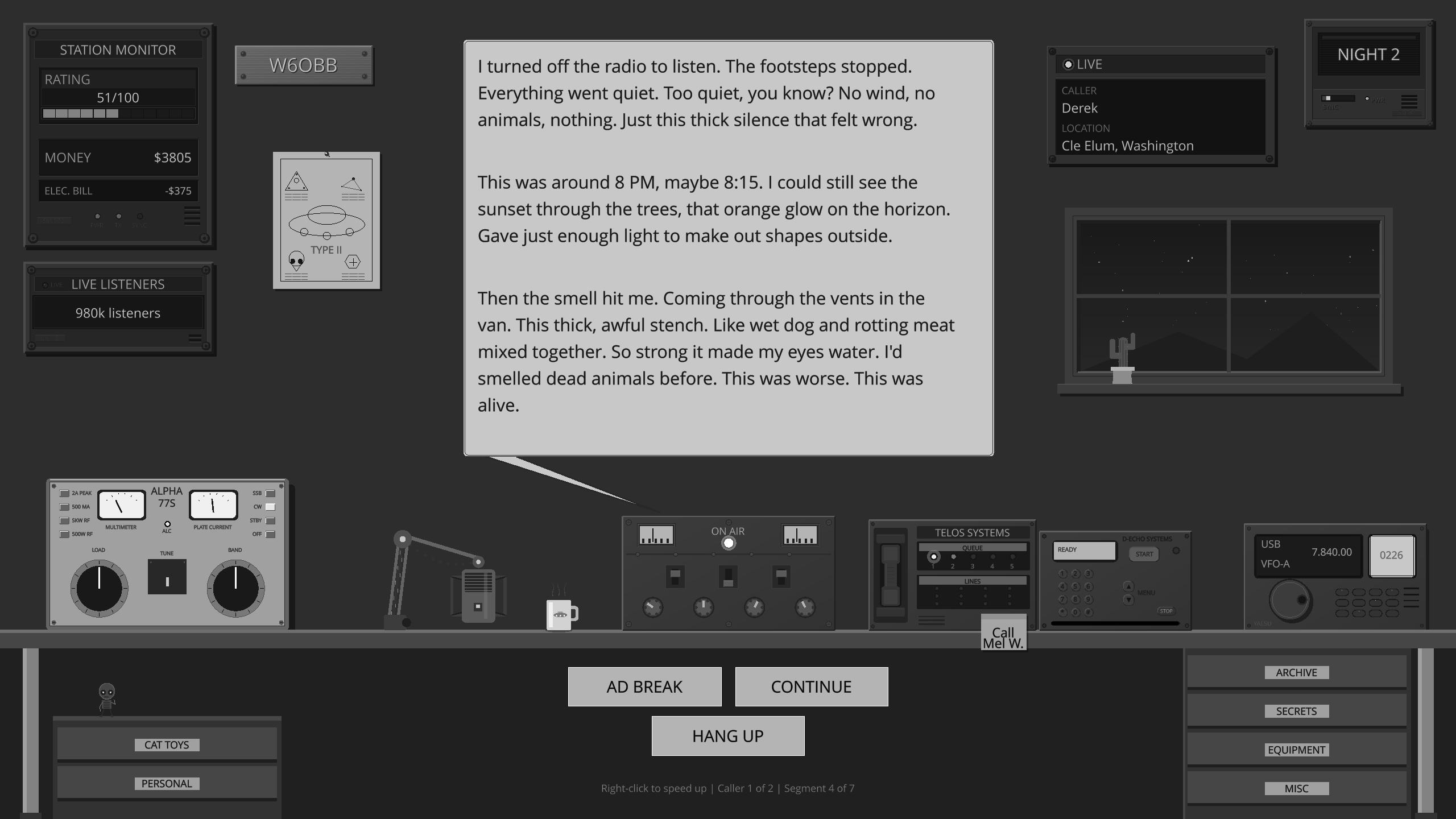
Ever wanted to host your own late-night paranormal radio show?
Across the Airwaves
You're on the air. Callers bring Mothman, Fresno Nightcrawlers, UFO sightings, reptilian autopsies, and whispers about AATIP and Project Blue Book. Every reply shapes how the night goes.

AI-Generated Summary
The document contains reports of two 1956 aerial sightings near Goose Bay, Labrador, which were later reviewed by the Foreign Technology Division. The FTD concluded that the reports were too incomplete for evaluation, specifically noting the illogical radar behavior described in the February 12th incident.
This document collection contains records and correspondence regarding two separate aerial sighting incidents near Goose Bay, Labrador, in February 1956. The first incident, occurring on February 12, 1956, involved a single object described as green with red lights that rapidly circled a military aircraft. The object was tracked by both the aircraft's radar and ground controllers. Notably, the radar contact faded when the intercepting aircraft closed to within eight miles of the object. The second incident, on February 18, 1956, involved a KC-97 aircraft (Sideburn 11) reporting an object that appeared to be another aircraft with lights that disappeared when the commander requested identification. The documentation includes Project 10073 record cards for both events. The February 12th sighting was classified as 'Unidentified' in the initial record card, but subsequent correspondence from the Foreign Technology Division in 1965 dismissed the report as too incomplete for a formal evaluation. The electronics engineer reviewing the case noted that the reported behavior—where the radar target faded as the interceptor approached—was illogical, as a genuine target should typically become stronger as the distance decreases. The documents also include internal military communications, such as a CIRVIS report, detailing the coordinates and weather conditions during the sightings. The records reflect the military's attempt to categorize these events, with the final assessment for the February 18th incident being that it was an aircraft sighting rather than a UFO. The collection highlights the procedural challenges in investigating UAP reports during the mid-1950s, particularly when radar data was inconsistent or incomplete.
It is not logical for a genuine target to "fade" and disappear when the fighter gets close to it - the normal situation is for the target to get stronger the closer the fighter gets to it.
PDF not loading? Download the PDF directly
Official Assessment
The information in this report is too incomplete for an evaluation to be made.
The Foreign Technology Division concluded that the report was too incomplete for evaluation, noting that it is illogical for a genuine target to fade and disappear when a fighter approaches, as targets typically become stronger.
Witnesses
- Manges, Gordon W.1/LT380 TH AREFS
- Miller, George M.1/LT380TH AREFS
- Fish, Ray L.A/1C380TH AREFS
- Billy B. Laughinghouse2/LTINTELL OFFICER
Key Persons
- Sgt MoodyRecipient of evaluation