Declassified UFO / UAP Document
Project Blue Book Staff Study — 1952
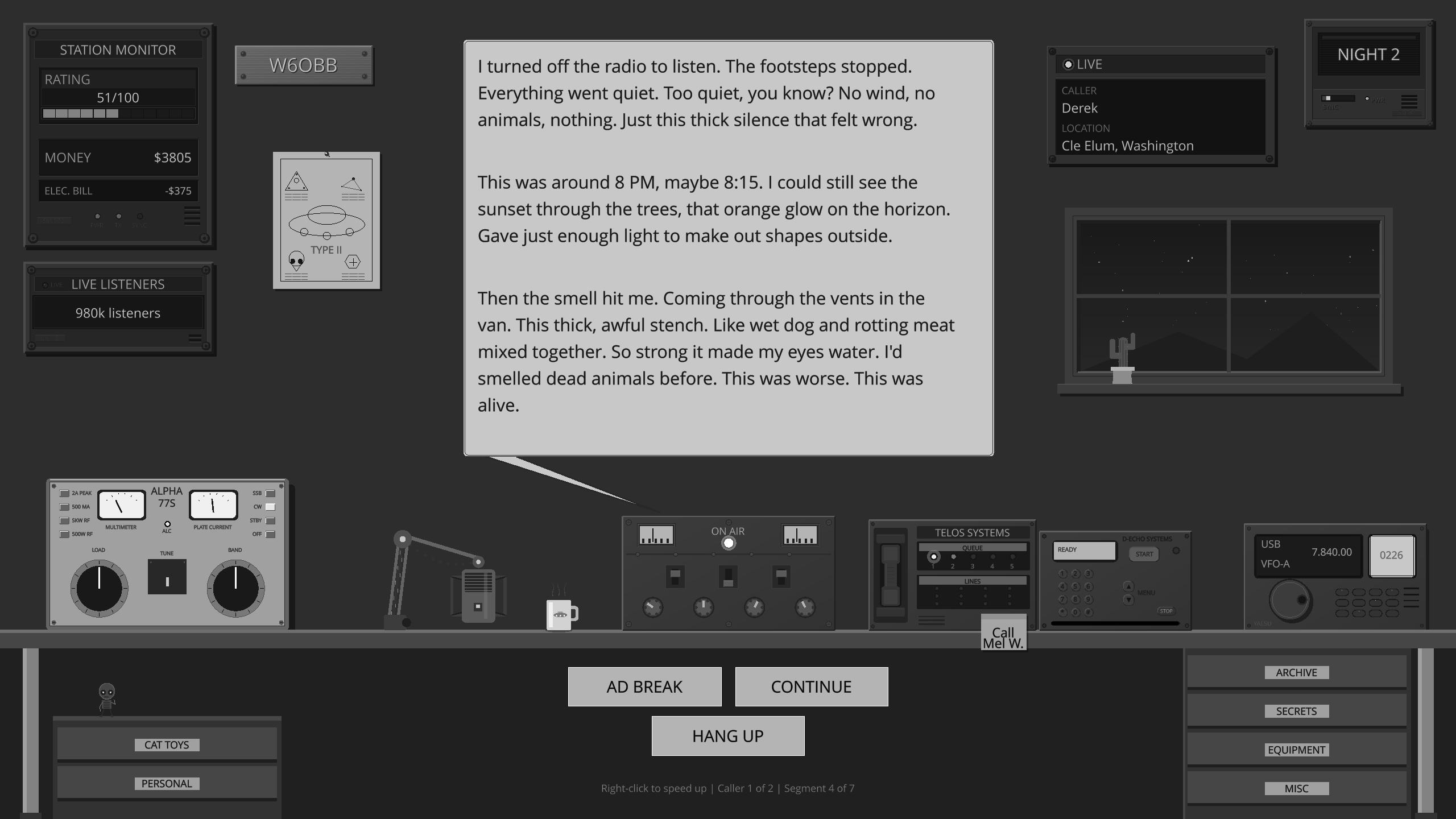
Ever wanted to host your own late-night paranormal radio show?
Across the Airwaves
You're on the air. Callers bring Mothman, Fresno Nightcrawlers, UFO sightings, reptilian autopsies, and whispers about AATIP and Project Blue Book. Every reply shapes how the night goes.

AI-Generated Summary
This 1952 staff study proposes a major reorganization of Project Blue Book, shifting from reliance on voluntary, non-technical reports to a scientific, instrument-based data collection system. It recommends hiring a contractor, such as the Rand Corporation, and establishing a high-level scientific advisory committee to improve the quality of UAO investigations.
This 1952 staff study, authored by Colonel John A. O'Mara of the Air Technical Intelligence Center (ATIC), outlines a proposed reorganization of the Air Force's investigation into unidentified aerial objects (UAOs). The document acknowledges that since 1947, the Air Force has received a large volume of reports from voluntary observers, but notes that these reports are often unreliable and lack the technical data necessary for scientific analysis. The study argues that the current system is inadequate and that the Air Force should transition to a more rigorous, instrument-based collection method. The document presents three proposals for the future of Project Blue Book. Proposal I suggests maintaining the status quo with ATIC handling all reports alone. Proposal II, which the author strongly recommends, involves ATIC working in conjunction with a contract technical group and a high-level scientific advisory committee. Proposal III suggests giving the contractor complete monitoring and planning authority. The study emphasizes the need for scientific rigor, suggesting that the Air Force should stop relying on voluntary verbal reports and instead focus on data gathered by instruments such as cameras, radar, and electronic sensors. It identifies the Rand Corporation as a suitable contractor to provide the necessary technical expertise. Furthermore, the study outlines a plan to involve other military and government agencies, such as the Air Weather Service and the Air Defense Command, to assist in the collection and screening of reports. The document concludes that while no hostile acts have been discovered, the project must be expanded to prevent technological surprise and to properly evaluate reports from credible observers. It also includes detailed appendices (Tabs A through G) covering specific procedures for reporting, the use of astronomical observatories, and the integration of weather data into the analysis process. The study reflects the Air Force's desire to professionalize the investigation of UAOs by shifting from a public-relations-focused approach to a scientific and intelligence-driven one.
Because it is almost impossible to obtain technical intelligence from voluntary verbal reports of non-technical observers, ATIC proposes that the receipt and analysis of such reports by the USAF be discontinued in the future. Our evaluation of the enormous amount of correspondence and reports received over the past five years demonstrates that there is extremely little technical intelligence to be obtained from these voluntary sources. The plan which ATIC presents to you might be best described in the single phrase, "going on instruments".
PDF not loading? Download the PDF directly
Official Assessment
The reported objects are no threat to the United States since they have committed no hostile acts.
The Air Force should move toward an instrument-based collection system to replace reliance on voluntary, non-technical reports. The study recommends expanding the project scope, utilizing a contractor (specifically Rand Corporation) for technical analysis, and establishing a high-level scientific advisory committee.
Key Persons
- John E. ClemensChief, Physics Research Branch, Flight Research Laboratory, Research Division
- Dr. Joseph KaplanScientific consultant/representative for Dr. Von Karman
- Dr. Von KarmanScientific advisor
- Colonel Edward H. PorterDeputy Director for Estimates, Directorate of Intelligence