Declassified UFO / UAP Document
Project 10073 Record Card — Hearn, Texas, 29 Sep 52
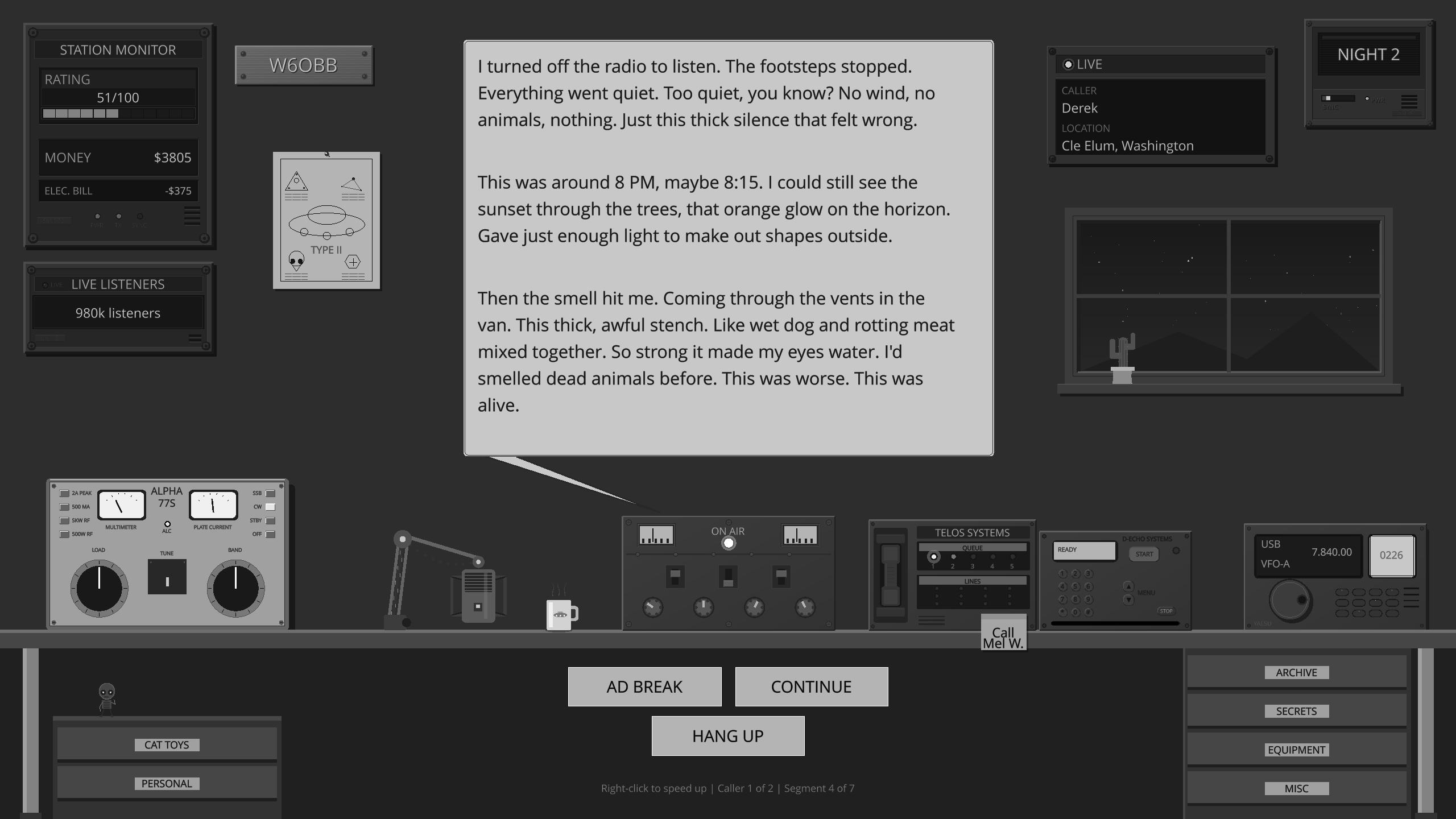
Ever wanted to host your own late-night paranormal radio show?
Across the Airwaves
You're on the air. Callers bring Mothman, Fresno Nightcrawlers, UFO sightings, reptilian autopsies, and whispers about AATIP and Project Blue Book. Every reply shapes how the night goes.

AI-Generated Summary
A reported sighting of a flying saucer near Hearne, Texas, in 1952 was dismissed by the Air Force as a likely hoax due to the inability to verify the identities of the witnesses. The report highlights the difficulties in investigating anecdotal UAP sightings.
This document consists of an Air Intelligence Information Report and a corresponding Project 10073 record card regarding a reported sighting of a 'flying saucer' near Hearne, Texas, on September 29, 1952. At approximately 2107 hours, a group of seven individuals, including a person identifying himself as a doctor, contacted the Bryan Air Force Base Control Tower to report an aerial object. The report was received by A/3C Joseph J. Krapek. According to the witnesses, the object was described as orange-yellow and black in color, lacking wings, and flying at an estimated altitude of 20,000 feet. The object reportedly performed a semi-circular maneuver from south to north before exiting to the southwest at a 'terrific rate of speed.' The duration of the sighting was estimated at 20 to 30 seconds. The initial report was significantly hampered by a poor telephone connection, resulting in garbled information. Subsequent attempts by military intelligence to verify the identities of the callers were unsuccessful, as neither the doctor nor the other individuals could be located in the telephone directories for Hearne or Bryan, Texas. Consequently, 2d Lt Richard L. Faust, the intelligence officer, noted that the accuracy and reliability of the observers could not be established. Captain Ross H. Weatherford Jr., Chief of the Intelligence Division at HQ FPAF, Waco, Texas, concluded that due to the lack of verifiable information and the questionable existence of the alleged sources, the incident was likely a hoax or the work of pranksters. The document serves as a record of the military's attempt to process and vet civilian reports of unidentified aerial phenomena during the early 1950s, highlighting the challenges of verifying anecdotal evidence received via telephone.
Due to the paucity of information and the doubtful existence of alleged sources, it is believed the report may possibly have been a hoax or the work of pranksters.
PDF not loading? Download the PDF directly
Official Assessment
Due to the paucity of information and the doubtful existence of alleged sources, it is believed the report may possibly have been a hoax or the work of pranksters.
The report was considered unreliable due to the inability to verify the identities of the callers and the garbled nature of the initial phone report.
Witnesses
Key Persons
- Joseph J. KrapekA/3C, Control Tower Operator