Declassified UFO / UAP Document
Air Intelligence Information Reports: Sightings of Unidentified Flying Objects in Korea (May 1952)
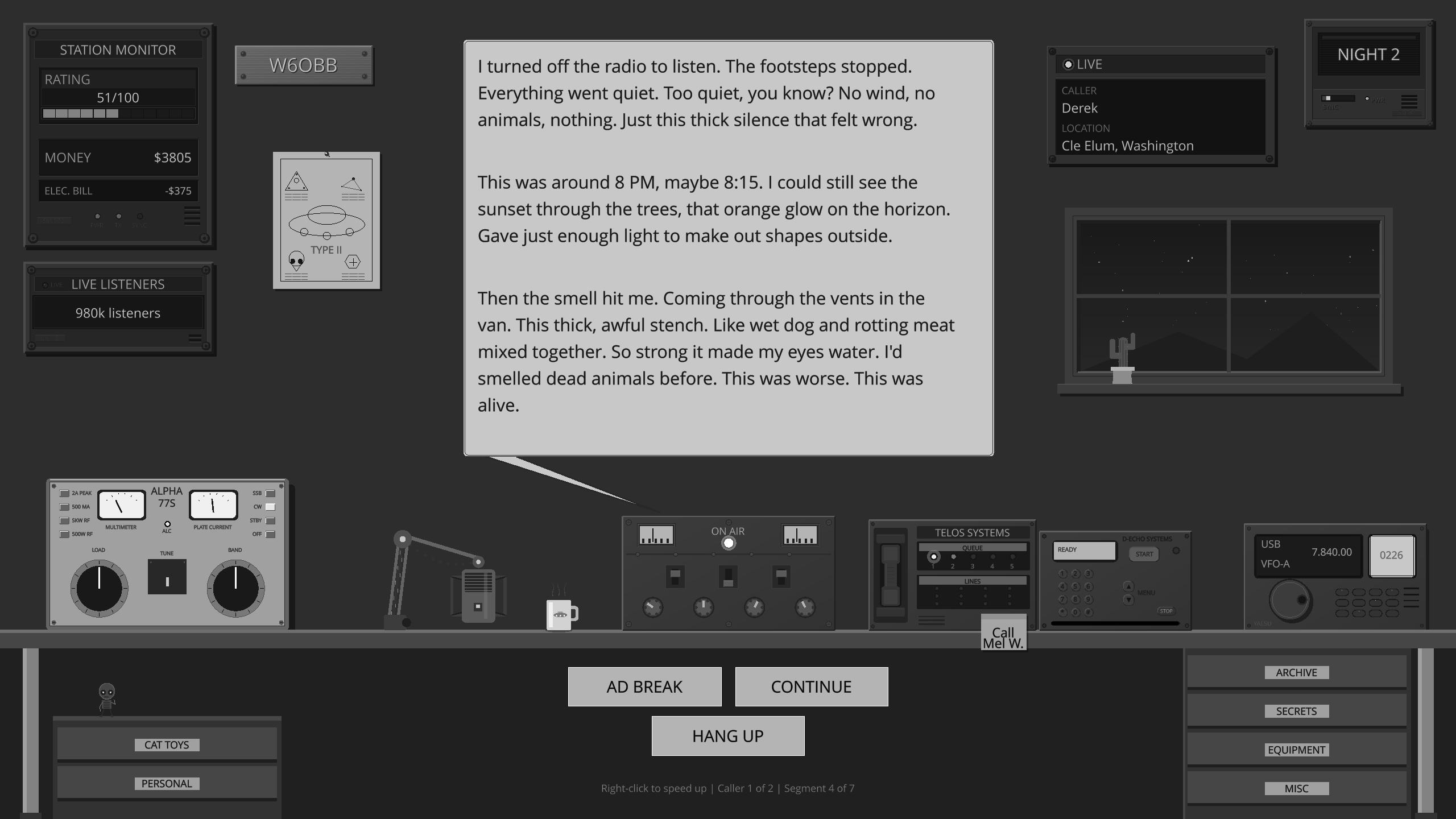
Ever wanted to host your own late-night paranormal radio show?
Across the Airwaves
You're on the air. Callers bring Mothman, Fresno Nightcrawlers, UFO sightings, reptilian autopsies, and whispers about AATIP and Project Blue Book. Every reply shapes how the night goes.

AI-Generated Summary
These reports document multiple UFO sightings by USAF pilots in Korea during May 1952. While some were attributed to enemy lighted balloons or radar malfunctions, others remained unexplained.
This collection of Air Intelligence Information Reports from May 1952 documents multiple sightings of unidentified flying objects (UFOs) over North Korea. The reports, compiled by Detachment 1 of the 6004th Air Intelligence Service Squadron (AISS), detail observations made by USAF pilots, primarily from the 18th Fighter Bomber Group and the 51st Fighter-Interceptor Wing. The sightings often involved objects described as oval or spherical, silvery in color, and capable of high-speed maneuvers, including steep climbs and rapid horizontal movement. Several reports specifically mention objects that appeared to leave their own source of light.
Intelligence officers frequently investigated these incidents, often cross-referencing them with radar data. A recurring theme in the evaluations is the suspicion of radar malfunction, particularly regarding the APG-33 radar sets used on F-94 interceptors. In several instances, pilots reported locking onto targets that performed maneuvers at speeds exceeding 1000 mph, which investigators found difficult to reconcile with known aircraft performance. Conversely, other reports from the Fifth Air Force 'Perintrep' (Personnel Intelligence Report) suggest that many sightings were actually lighted balloons used by enemy forces for communication or observation. These balloons were described as having small, powerful lights suspended from them, which could be mistaken for unidentified aircraft when observed at night or in hazy conditions.
Despite the balloon explanation, the reports maintain a level of uncertainty. Investigating officers, such as Captain Vincent A. Goskey, noted that while some sightings could be explained by balloons or radar errors, others remained unexplained. The documents include statements from pilots and radar observers, as well as sketches of flight paths and object shapes. The reports were distributed to various intelligence units, including the 5th Air Force and FEAF, reflecting the military's serious, albeit skeptical, approach to these phenomena during the Korean War. The documentation concludes with a focus on the need for further investigation and the potential for these sightings to be related to enemy activity or technical limitations of existing radar systems.
The phenomenal acceleration reported leads to the belief that the AFG-33 was not operating correctly at the time, despite checks before and after the mission.
PDF not loading? Download the PDF directly
Official Assessment
Possible malfunction of airborne radar set; some sightings attributed to enemy balloons with lights.
Many sightings in the Korea area were attributed to lighted balloons used for communication or observation, or potential radar malfunctions in F-94 interceptors.
Witnesses
- Capt R. DyeCapt18th Fighter Bomber Group
- Lt McCarthyLt51st Fighter-Interceptor Wing
Key Persons
- Jean H. DaughertyColonel, USAF, Director of Intelligence
- Charles Y. BanfillBrigadier General, USAF, Deputy for Intelligence