Declassified UFO / UAP Document
Project 10073 Record Card — Coldwater, Ohio, 29 April 1952
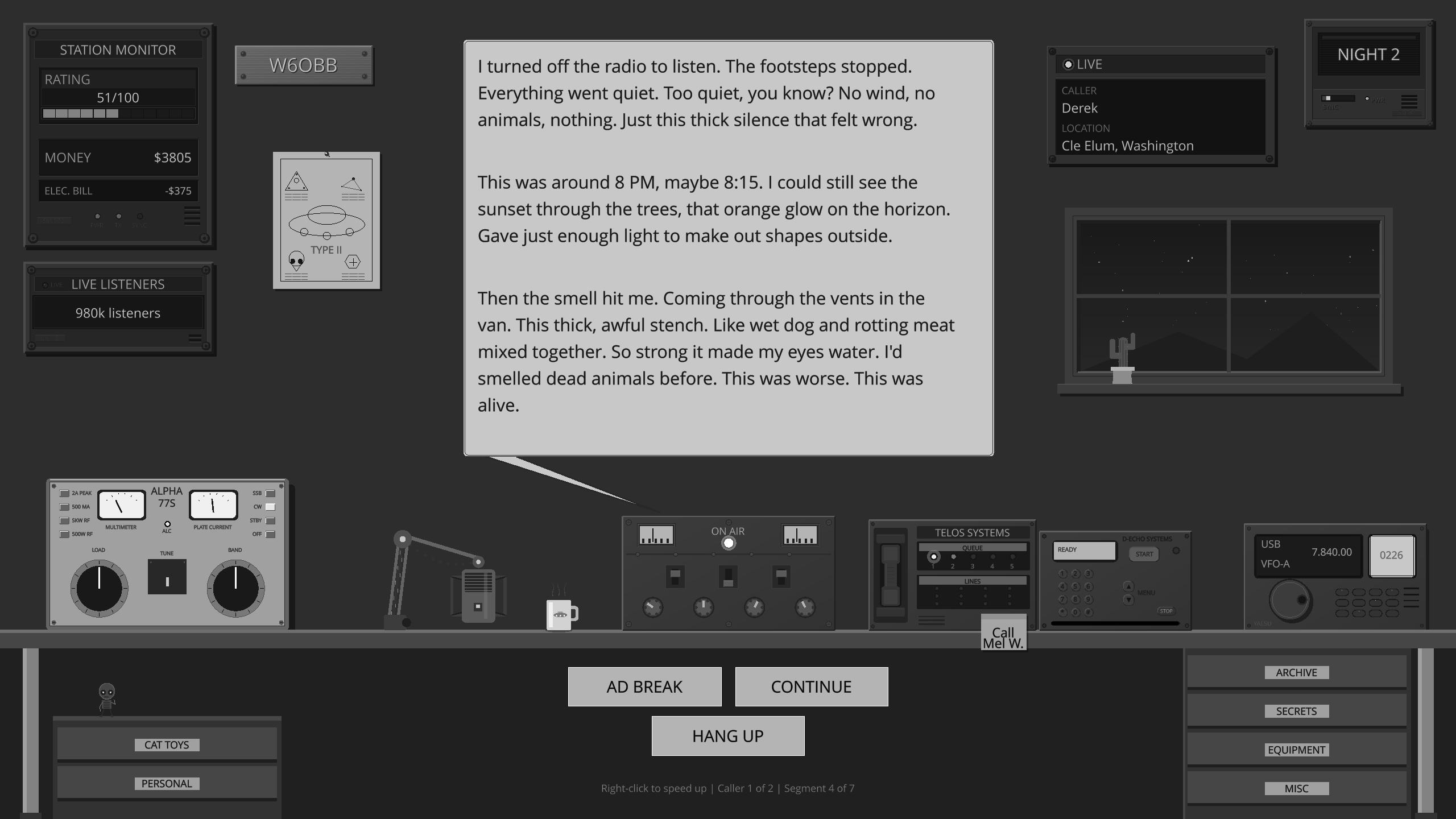
Ever wanted to host your own late-night paranormal radio show?
Across the Airwaves
You're on the air. Callers bring Mothman, Fresno Nightcrawlers, UFO sightings, reptilian autopsies, and whispers about AATIP and Project Blue Book. Every reply shapes how the night goes.

AI-Generated Summary
A 1952 sighting report from Coldwater, Ohio, describes a cherry-red, disc-shaped object observed by four witnesses. Investigators considered the possibility of a weather balloon but found no definitive records to confirm the object's identity.
This document consists of a Project 10073 record card and a formal report of a sighting that occurred on April 29, 1952, in Coldwater, Ohio. At 1940 hours, a witness and three other individuals observed an unidentified aerial object. The object was described as disc-shaped, appearing to stand on its edge, and was characterized by a 'cherry red' or 'hot iron' color. The witnesses estimated the object's size to be approximately one-eighth that of a full moon. The object was first spotted directly overhead and was observed drifting in a northwesterly direction before disappearing at an elevation of approximately 30 degrees. The witnesses remarked that the object appeared to be moving faster than a standard balloon. Following the report, which was received by the Air Technical Intelligence Center (ATIC) on April 30, 1952, investigators analyzed wind data from Dayton and Selfridge to determine if the object could have been a weather balloon. While the wind data suggested a potential drift path, there was no official record of a balloon burst at Wright-Patterson Air Force Base that would account for the object. The final assessment suggests the possibility that the object was a 'piball' (pilot balloon), noting that such objects are notoriously difficult to track, though the report remains inconclusive.
The object appeared to be disc shaped 'standing on edge'. It was the color of 'cherry red hot iron'.
PDF not loading? Download the PDF directly
Official Assessment
Could have been 'piball' which are very difficult to track.
The object was observed by four individuals as a cherry-red, disc-shaped object moving faster than a typical balloon. Investigators compared the sighting against wind data from Dayton and Selfridge, noting that while a balloon could have drifted in that direction, there was no record of a definite balloon burst at Wright-Patterson Air Force Base.