Declassified UFO / UAP Document
Compilation of UAP Sighting Reports and Correspondence, 1952-1953
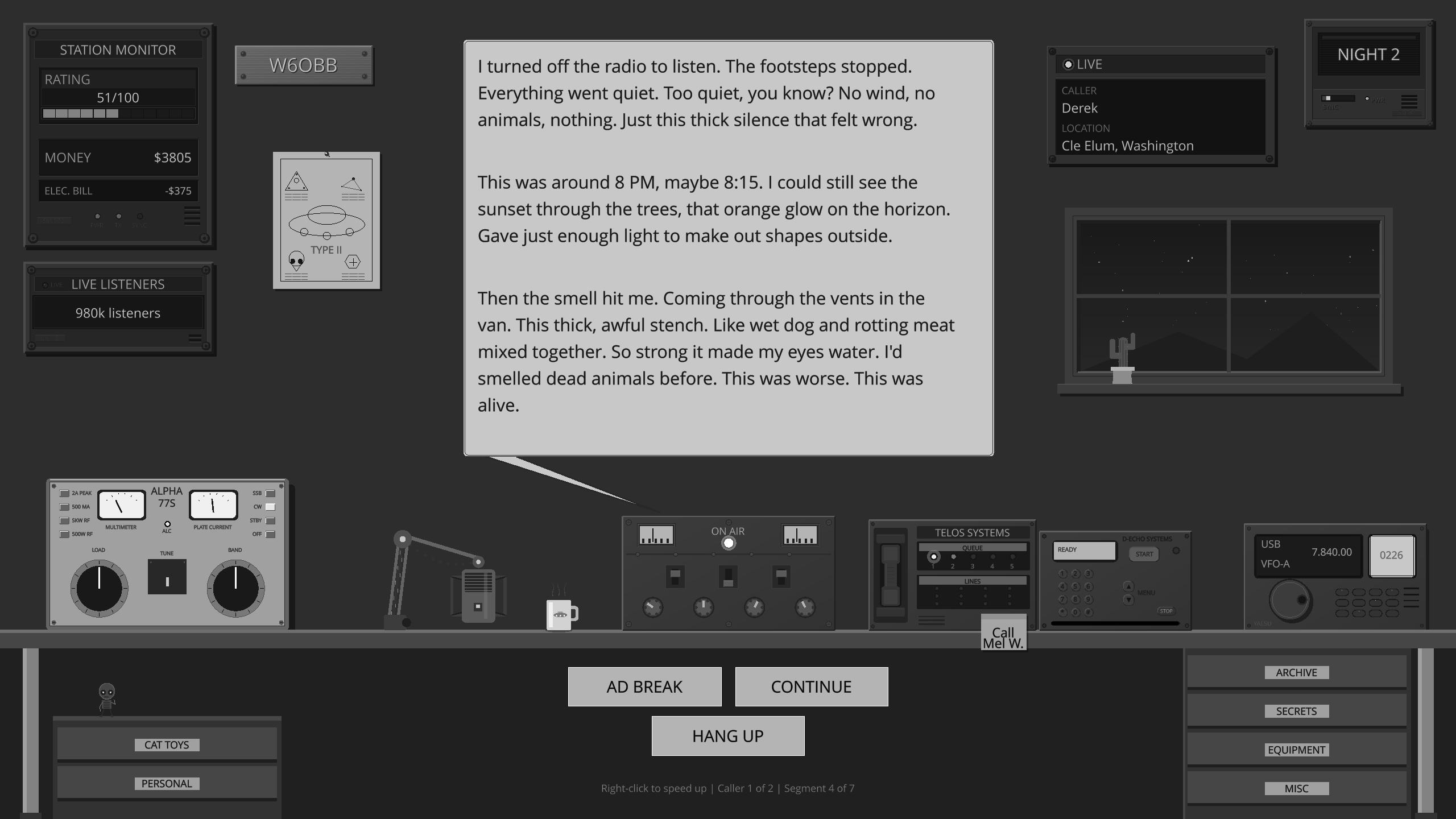
Ever wanted to host your own late-night paranormal radio show?
Across the Airwaves
You're on the air. Callers bring Mothman, Fresno Nightcrawlers, UFO sightings, reptilian autopsies, and whispers about AATIP and Project Blue Book. Every reply shapes how the night goes.

AI-Generated Summary
This document compiles various UAP sighting reports and radar analyses from 1952-1953, primarily evaluated by the Air Technical Intelligence Center. Most incidents are attributed to conventional causes like weather phenomena, balloons, or radar equipment limitations.
This document is a compilation of various intelligence reports, correspondence, and record cards concerning Unidentified Aerial Phenomena (UAP) sightings and radar anomalies between 1952 and 1953. The reports originate from multiple military branches, including the Air Force and the Navy, and are directed to the Air Technical Intelligence Center (ATIC) for evaluation under Project Blue Book. The incidents documented cover a wide geographic range, including the Pacific Ocean, Iran, Kansas, Illinois, and New York. The reports detail various types of observations, ranging from visual sightings by flight crews to radar returns on ground-based equipment. A recurring theme in the correspondence is the attempt to distinguish between genuine unidentified objects and conventional phenomena. For instance, several radar incidents are analyzed in the context of atmospheric conditions, such as temperature inversions and moisture lapse, which are identified as potential causes for false radar returns or ground clutter. Other sightings are attributed to weather balloons, such as rawinsonde launches, or meteors. The document includes specific case files, such as the sighting near Granite City, Illinois, and the incident near Carswell AFB, where investigators sought to reconcile visual and radar data. The correspondence between intelligence officers highlights the challenges in evaluating these reports, often citing a lack of sufficient data or the late submission of reports as significant obstacles. The document also contains technical data, such as wind aloft graphs and computation sheets, used to analyze the movement of potential balloons or other objects. Throughout the compilation, the tone is analytical and cautious, with investigators frequently discounting the possibility of unconventional aircraft when conventional explanations, such as weather phenomena or equipment limitations, are supported by the available data. The document concludes with various administrative notes regarding the downgrading and declassification of these files, reflecting the military's standard procedures for handling such intelligence records.
The properties of the atmosphere which determine the refractive index (bending) and which change with height are temperature, pressure, and moisture content.
PDF not loading? Download the PDF directly
Official Assessment
Various explanations provided for specific incidents, including weather balloons, meteors, and atmospheric refraction causing radar anomalies.
Many reported UAP incidents are attributed to conventional aircraft, weather phenomena, or radar equipment limitations.
Key Persons
- Ted W. SorensenCaptain, USAF, Chief, Research & Planning Div
- R. E. WeinzettelColonel, USAF, Deputy for Intelligence
- Robert M. OlssonLt, USAF, Acting Chief, Aerial Phenomena Section
- C. L. GilbertBy direction