Declassified UFO / UAP Document
Project 10073 Record Card and Related Correspondence Regarding Radar Detection of Airborne Targets on Guadalupe (AO-32)
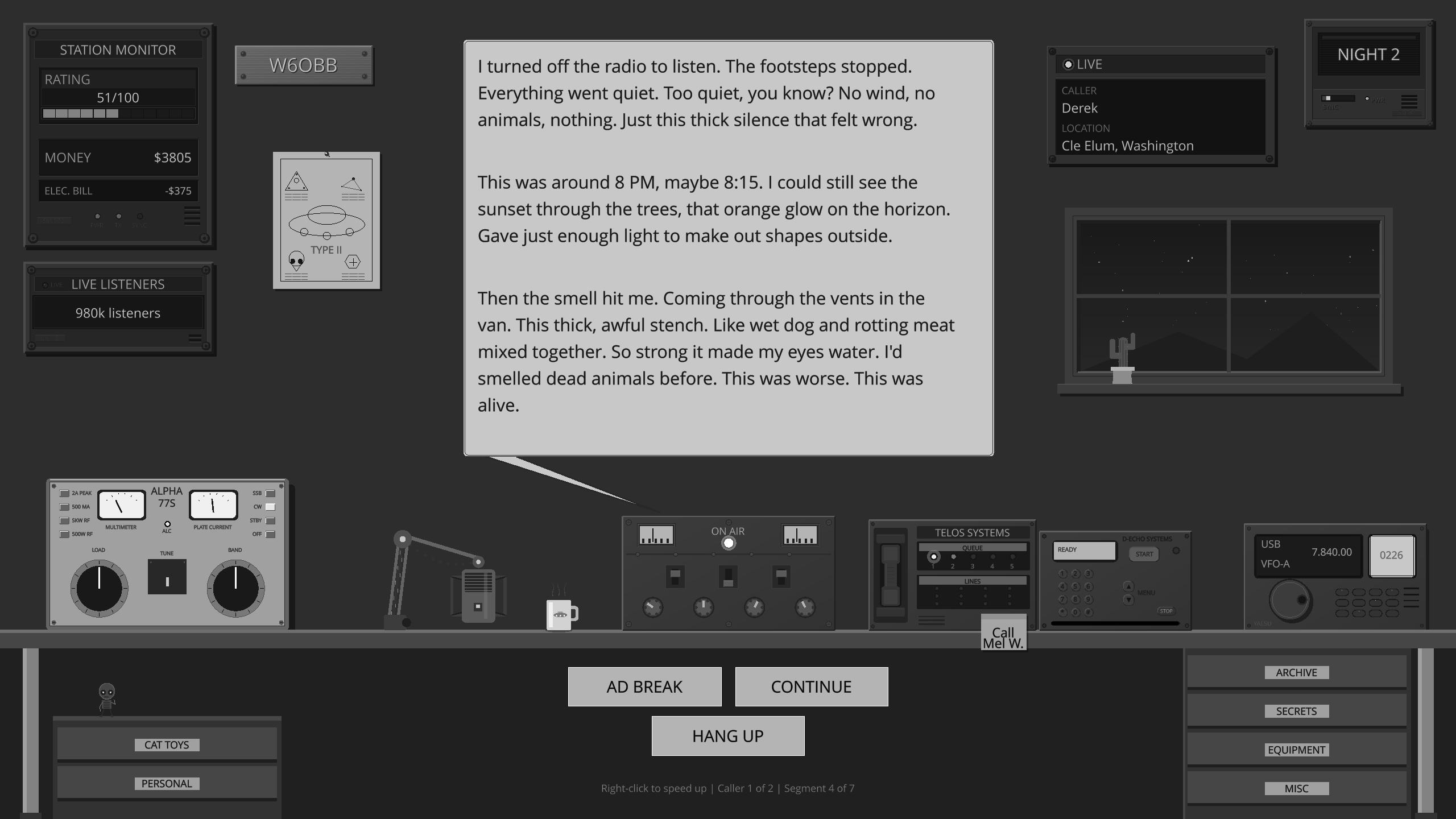
Ever wanted to host your own late-night paranormal radio show?
Across the Airwaves
You're on the air. Callers bring Mothman, Fresno Nightcrawlers, UFO sightings, reptilian autopsies, and whispers about AATIP and Project Blue Book. Every reply shapes how the night goes.

AI-Generated Summary
This file documents a January 1951 radar-only sighting of a high-speed target near the ship Guadalupe. Military analysts concluded the event was likely caused by radar interference or weather conditions rather than an unidentified aerial phenomenon.
This document collection details a series of radar-only sightings reported by the ship Guadalupe (AO-32) in the Far East during January 1951. On January 26, 1951, at approximately 1405 local time, radar operators tracked an unidentified target moving at an estimated speed of 3000 mph. The target was tracked for 15 minutes, with no corresponding visual sighting. The radar reports noted that the target appeared to originate from the scope center and that the radar blips elongated to 3/8 inch and 1/8 inch during the tracking. Subsequent naval messages and internal Air Force memoranda, including those from the Technical Analysis Division of the Intelligence Department, indicate that the military authorities were highly skeptical of the reports. Major J. E. Libbert and other analysts consistently suggested that the data was 'sketchy' and 'misinterpreted.' The official conclusion reached by the Air Force was that the radar returns were likely caused by interference from other radar sets, interference from the detecting radar set itself, or abnormal weather conditions. The documents emphasize that such radar observations are difficult to evaluate without personal interrogation of the operators involved. The file includes various routing sheets, naval messages, and internal memoranda documenting the administrative process of evaluating these 'unusual radar targets' and the eventual determination that they were not indicative of unconventional aircraft.
It must be realized that evaluation of very sketchy and often misinterpreted radar target data is very difficult and can best be analyzed by personal interrogation by an analyst of the personnel operating the radar set involved.
PDF not loading? Download the PDF directly
Official Assessment
Information indicates that the radar targets possibly could have been caused by one of the following: Interference from another radar set; Interference from the detecting radar set itself and weather.
The targets were likely caused by abnormal weather conditions or radar interference rather than physical objects.
Witnesses
- SmaleCommanderSquadron Electronics Officer, PATRON 42