Declassified UFO / UAP Document
Incident #214 — West Rindge, New Hampshire, 7 July 1948
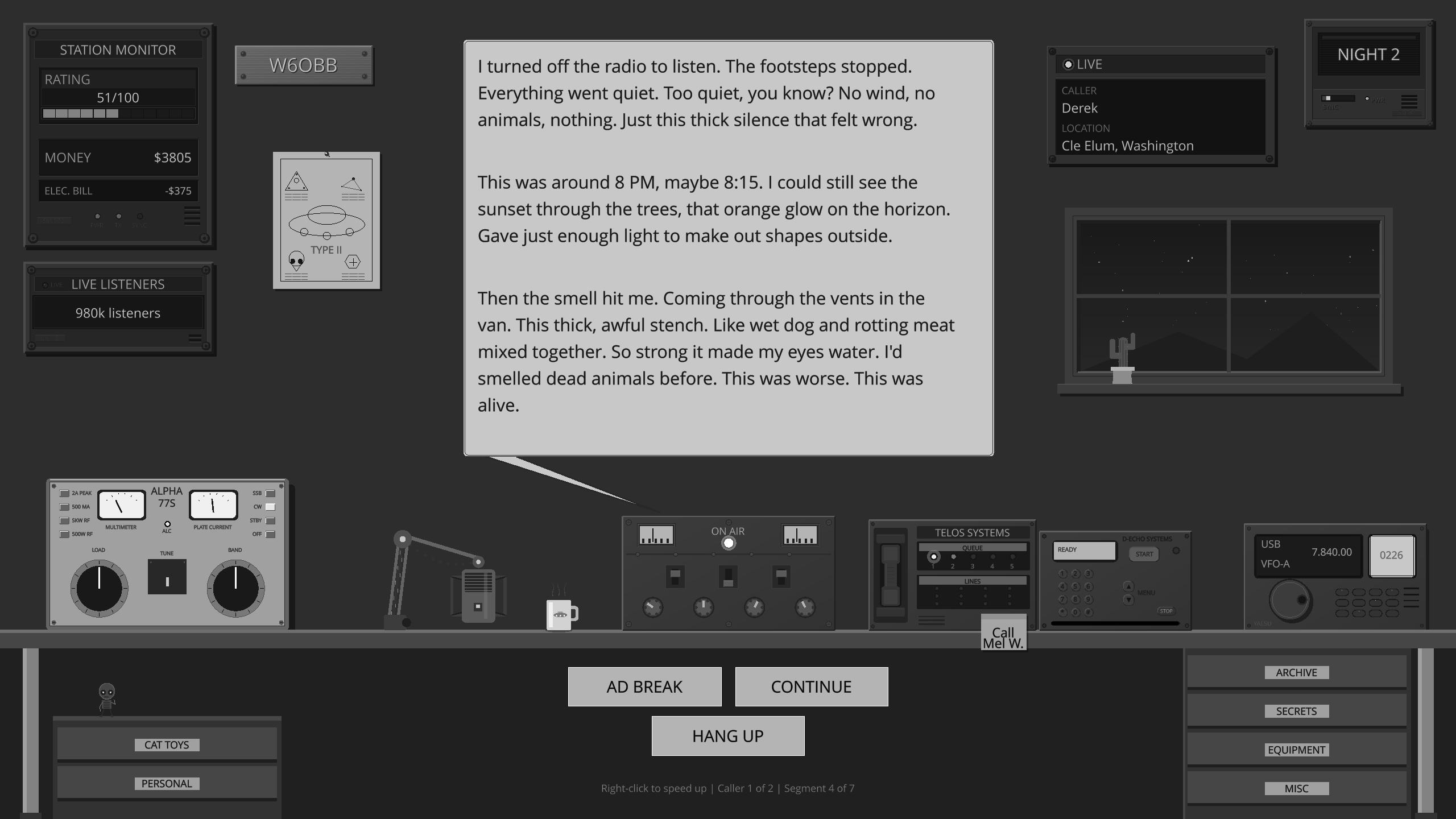
Ever wanted to host your own late-night paranormal radio show?
Across the Airwaves
You're on the air. Callers bring Mothman, Fresno Nightcrawlers, UFO sightings, reptilian autopsies, and whispers about AATIP and Project Blue Book. Every reply shapes how the night goes.

AI-Generated Summary
Incident #214 involved the discovery of metallic fragments in West Rindge, NH, in 1948. MIT analysis identified the material as cast iron, ruling out meteoritic origin and suggesting man-made debris.
This document collection details the investigation of Incident #214, which occurred on July 7, 1948, in West Rindge, New Hampshire. The incident involved the discovery of small, burned spots on a lawn, approximately 1.5 inches in diameter, caused by metallic fragments. The witness, a Vice President of the New England Telephone and Telegraph Company, reported the discovery of these fragments. Initial reports suggested the fragments might be related to V-2 bomb linings or jet turbo plane components. The Federal Bureau of Investigation (FBI) became involved, and the fragments were sent to the Massachusetts Institute of Technology (MIT) for spectrographic analysis. The analysis concluded that the fragments were composed of ordinary cast iron that had been subjected to extreme heat. The scientists at MIT determined that the fragments were likely part of a hollow cylinder, approximately 14 inches in diameter and 3/16 of an inch thick. The examination explicitly excluded the possibility that the fragments were meteoritic in origin. The document includes various administrative records, including correspondence between the Air Weather Service, the Air Material Command, and the FBI, regarding the status of the investigation. By November 1948, the Air Material Command requested further information from the FBI, though the final conclusion remained that the objects were man-made, likely industrial or military debris, rather than an unidentified aerial phenomenon. The incident was formally indexed under Project Grudge and Project Sign.
Inasmuch as the metallic particles concerned in this incident have been independently identified at MIT as parts of a cast-iron cylinder, an astronomical explanation of the incident is precluded.
PDF not loading? Download the PDF directly
Official Assessment
The metallic particles were identified as parts of a cast-iron cylinder, possibly the lining from a jet turbo plane or V-2 bomb.
MIT spectrographic examination determined the fragments were ordinary cast iron subjected to high heat. The possibility of the fragments being meteoritic was excluded.
Witnesses
- [illegible]Vice Pres. New England Tel & Tel Co.New England Tel & Tel Co.
Key Persons
- John M. BunkerSecurity Officer, Massachusetts Institute of Technology
- W. A. WestLt. Col., USAF, Adjutant General
- W. R. ClingermanColonel, USAF, Chief, Tech Intelligence Division