Declassified UFO / UAP Document
Reflections on the Ghost Rockets and Swedish Ufology
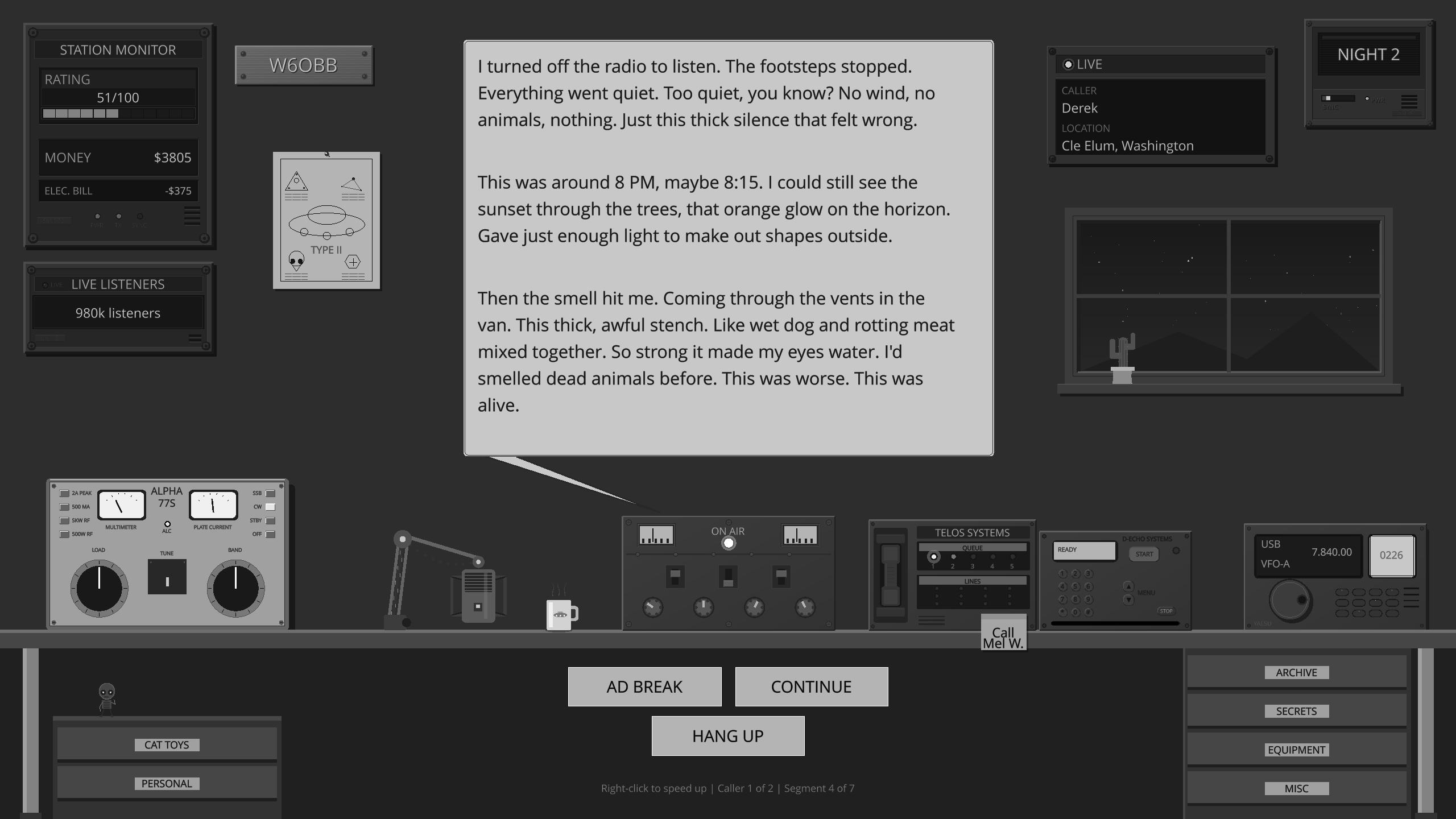
Ever wanted to host your own late-night paranormal radio show?
Across the Airwaves
You're on the air. Callers bring Mothman, Fresno Nightcrawlers, UFO sightings, reptilian autopsies, and whispers about AATIP and Project Blue Book. Every reply shapes how the night goes.
AI-Generated Summary
This document is a reflection by Anders Liljegren on the 1946 Swedish 'ghost rocket' sightings. It argues that the phenomena remain largely unexplained and advocates for continued systematic study.
This document, authored by Anders Liljegren of the 'Arbetsgruppen för ufologi' (Ufology Working Group), provides a retrospective analysis of the 'ghost rocket' sightings in Sweden during 1946. Liljegren aligns his conclusions with the Swedish Defence Staff's (Försvarsstaben) final communiqué from October 10, 1946, which stated that there was insufficient data to draw definitive conclusions regarding the nature, origin, or behavior of the objects. Liljegren notes that while many sightings had natural explanations, roughly 20 percent of the reports constitute what is now termed UFOs. He describes the objects as rocket-like or cigar-shaped, capable of sharp turns, high and low speeds, and sometimes exhibiting 'de-materialization' following explosions. He explicitly challenges the hypothesis that these were advanced Soviet V-2 type rockets, arguing that the Soviet Union lacked the resources for such a project following the devastation of World War II, and questioning why Sweden would be targeted. The document also provides context on the summer of 1946, noting it was a period of severe weather, including thunderstorms and ball lightning, as well as unusual animal sightings, such as bears and a strange fox-like creature in Grundfors. Liljegren concludes by advocating for the continued collection of data on these phenomena as a vital goal for Swedish ufology.
Tillräckliga uppgifter föreligger emellertid ej för att med någon säkerhet kunna dra bestämda slutsatser beträffande deras art, ursprung och uppträdande
PDF not loading? Download the PDF directly
Official Assessment
Tillräckliga uppgifter föreligger emellertid ej för att med någon säkerhet kunna dra bestämda slutsatser beträffande deras art, ursprung och uppträdande
The author argues that the 1946 ghost rockets represent an early variant of UFO phenomena. He notes that while many observations have natural explanations, approximately 20 percent remain unidentified. He questions the theory that these were Soviet V-2 type rockets, citing the lack of evidence and the logistical improbability of such an effort given the post-war state of the Soviet Union.