Declassified UFO / UAP Document
Prov nr 5 - Analysis Report
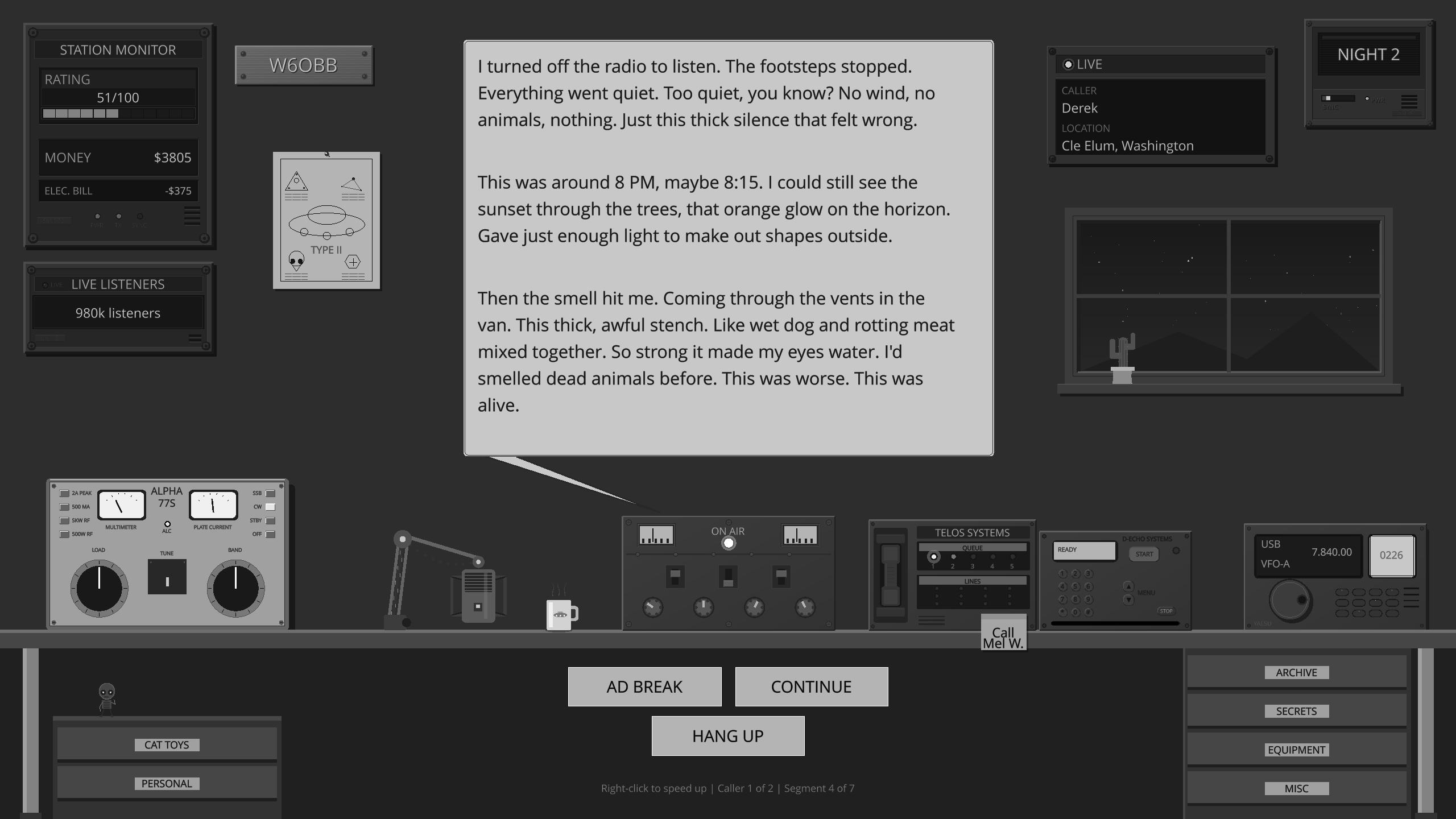
Ever wanted to host your own late-night paranormal radio show?
Across the Airwaves
You're on the air. Callers bring Mothman, Fresno Nightcrawlers, UFO sightings, reptilian autopsies, and whispers about AATIP and Project Blue Book. Every reply shapes how the night goes.

AI-Generated Summary
A physical specimen collected in 1946 was analyzed by the Swedish Defence Research Agency (FOA). Experts identified the object as a heat-exposed serpentine mineral, likely debris from a broken soapstone stove.
This document is a laboratory report regarding 'Specimen No. 5', which was collected on July 11, 1946, at Skogskyrkogården in Enskede, Sweden. The specimen was received by the FOA (Swedish Defence Research Agency) on July 12, 1946. The report notes that the item was not accompanied by any formal correspondence. Physically, the specimen is described as being the size of a fist, composed of a slag-like mass in contact with a layered material that is primarily parallelepiped in shape. Upon ocular inspection, it was discovered that root fibers had grown into the cavities of the specimen, and further investigation revealed these fibers had penetrated several centimeters deep into the fissures of the layered material. The FOA consulted with mining engineer Holger Pettersson of the Metallographic Institute. Pettersson provided a definitive statement that the layered material was a serpentine mineral that had been subjected to high temperatures. Based on this, it was concluded that the specimen likely originated from a destroyed soapstone stove.
Det antogs, att provstycket utgjordes av ett stycke härrörande från en sönderbränd täljstenskamin.
PDF not loading? Download the PDF directly
Official Assessment
The layered material was identified as a serpentine mineral exposed to high temperature, likely originating from a burnt-out soapstone stove.
The specimen was analyzed by a mining engineer who determined the material was a mineral subjected to heat, rather than an anomalous object.
Key Persons
- Holger PetterssonBergs.ing. (Mining Engineer) at Metallografiska institutet