Declassified UFO / UAP Document
PM ang rymdprojektiler
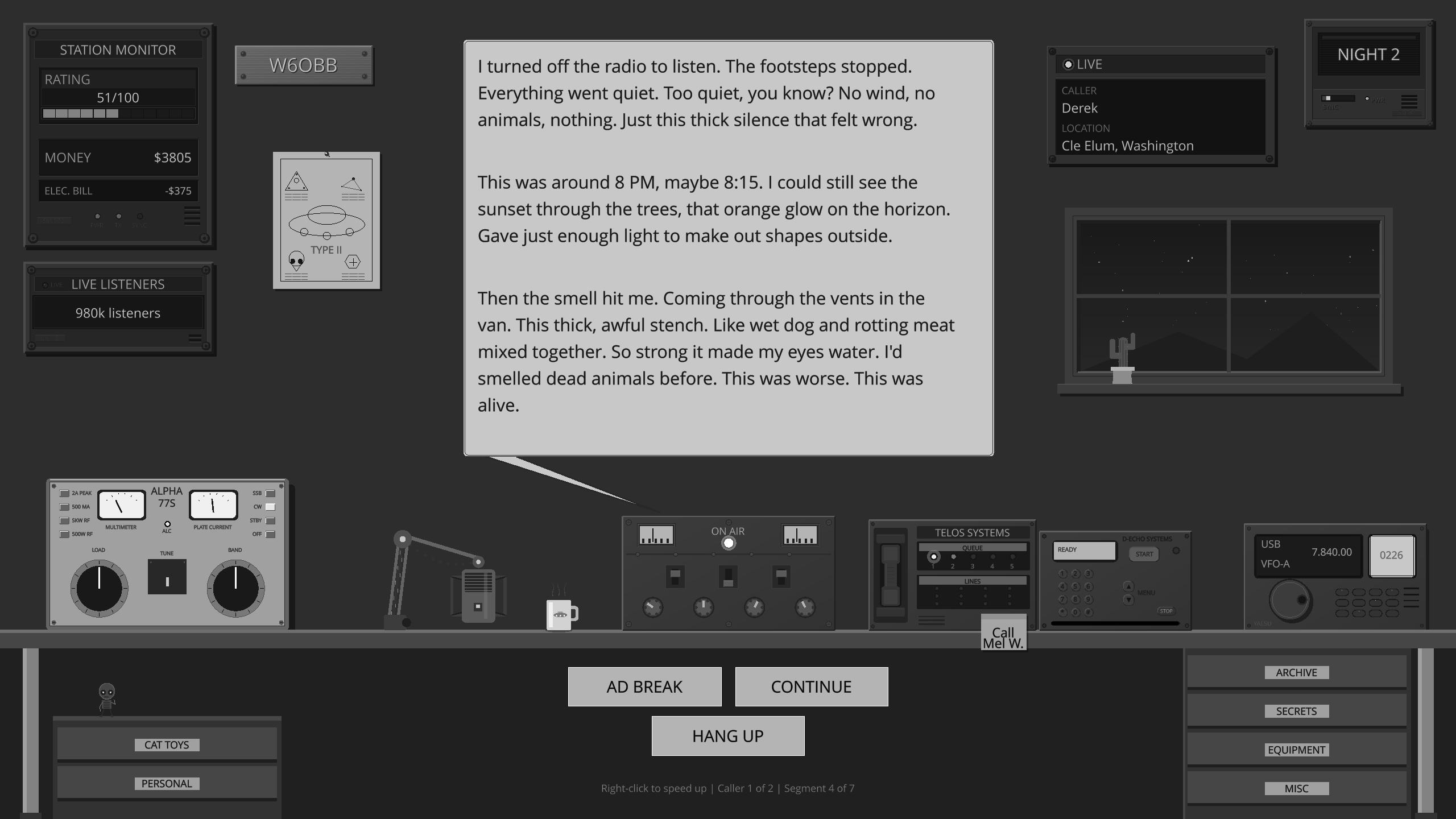
Ever wanted to host your own late-night paranormal radio show?
Across the Airwaves
You're on the air. Callers bring Mothman, Fresno Nightcrawlers, UFO sightings, reptilian autopsies, and whispers about AATIP and Project Blue Book. Every reply shapes how the night goes.

AI-Generated Summary
A 1946 Swedish military memorandum detailing organizational failures in tracking 'space projectiles' and recommending decentralized, integrated command and expanded radar coverage.
This memorandum, dated November 21, 1946, and authored by B. Sandmark, provides a critical assessment of the Swedish military's organizational structure regarding the monitoring of 'space projectiles' (rymdprojektiler). The author highlights several systemic weaknesses, primarily the slow transmission of reports to Stockholm, which hinders timely action. The document notes that while radar monitoring (er-spaning) has successfully detected aerial objects within a 6 km radius and ships suspected of being linked to these projectiles, the current lack of coordination prevents effective response. The author proposes seven specific recommendations to improve the situation. These include establishing optical air surveillance on southern Öland and the mainland, using naval surveillance and aerial photography to identify sea-based objects, and conducting investigations to ensure no command centers for these projectiles exist on Öland. Furthermore, the author suggests densifying the radar network with new stations at Kristianopel, Torhamn, and Kapelludden, while closing the station at Simrishamn. The document also calls for the integration of radio monitoring and the potential deployment of anti-aircraft (lv) and fighter (jakt) units. Crucially, the author argues that the management of these diverse monitoring efforts—including radar, naval, air, radio, and anti-aircraft assets—must be centralized in the active area rather than being directed from Stockholm through bureaucratic conferences involving multiple agencies such as Fst, Ast, Ainsp, the Navy, the Air Force (FV), FF, FRA, and FOA.
Det är uppenbart att ledningen av er, ls, marin- och flygs.aning, radio, lv och jakt samt sb med civila och militära myndigheter icke som nu kan ledas genom konferenser med representanter ur ledning för Fst, Ast, Ainsp, Marinen, FV, FF, FRA och FOA, utan att ledningen för dessa spaningar måste centraliseras och icke som nu förläggas till Stockholm utan till det aktuella området.
PDF not loading? Download the PDF directly
Official Assessment
The author identifies significant organizational failures in the current monitoring system for 'space projectiles' (rymdprojektiler). Key issues include slow reporting channels to Stockholm, lack of coordination between different monitoring bodies, and the need for decentralized command located in the active area. Recommendations include intensifying radar monitoring, integrating optical surveillance, and coordinating naval and air force assets.