Declassified UFO / UAP Document
Föremålsbeskrivning (Object Description)
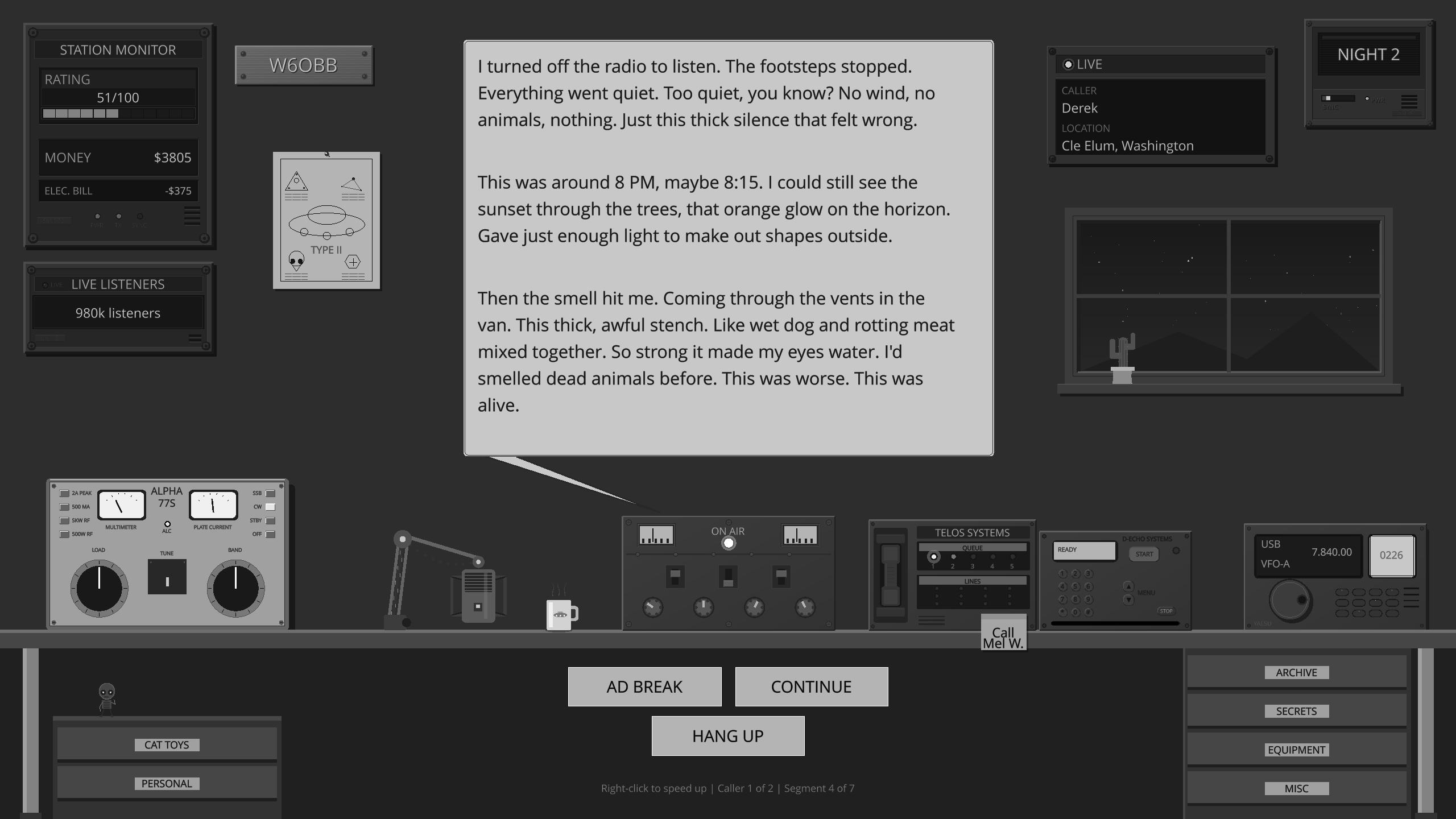
Ever wanted to host your own late-night paranormal radio show?
Across the Airwaves
You're on the air. Callers bring Mothman, Fresno Nightcrawlers, UFO sightings, reptilian autopsies, and whispers about AATIP and Project Blue Book. Every reply shapes how the night goes.
AI-Generated Summary
This document is a technical description of an unidentified aerial phenomenon observed in Sweden. The observer concludes that the event is unlikely to be a meteorite based on comparative analysis with other cases.
This document provides a technical description of an unidentified aerial phenomenon, referred to as 'Fall B'. The observer details a complex visual event involving a luminous sphere with a diameter of 2-3 degrees, described as having an intense white-yellow-green color comparable to a magnesium flash. This sphere is associated with a cone-shaped structure with a 5-degree angle between its sides and a length of 10 degrees. The report notes the presence of unevenly extinguishing flames and particles ejected from the sides of the cone. Furthermore, the observer describes yellow-orange cylinders, each approximately 10 degrees in length and 2-3 degrees in diameter. These cylinders appeared to extinguish in sequence from the rear, with up to three visible at any one time. The report notes that approximately seven new cylinders were formed near the cone over a duration of 1.5 seconds. The observer concludes that this phenomenon is unlikely to be a meteorite, specifically citing comparisons to other cases, referred to as 'Fall A' and 'Fall C'.
Fall B kan knappast ha varit meteorit, särskilt vid jämförelse av fall A och C ovan.
PDF not loading? Download the PDF directly
Official Assessment
Fall B can hardly have been a meteorite, especially when compared to cases A and C above.
The observer concludes that the phenomenon described in Case B is unlikely to be a meteorite based on comparisons with other observed cases.