Declassified UFO / UAP Document
Field Report on Kölmjärv Search Operations, August 10, 1946
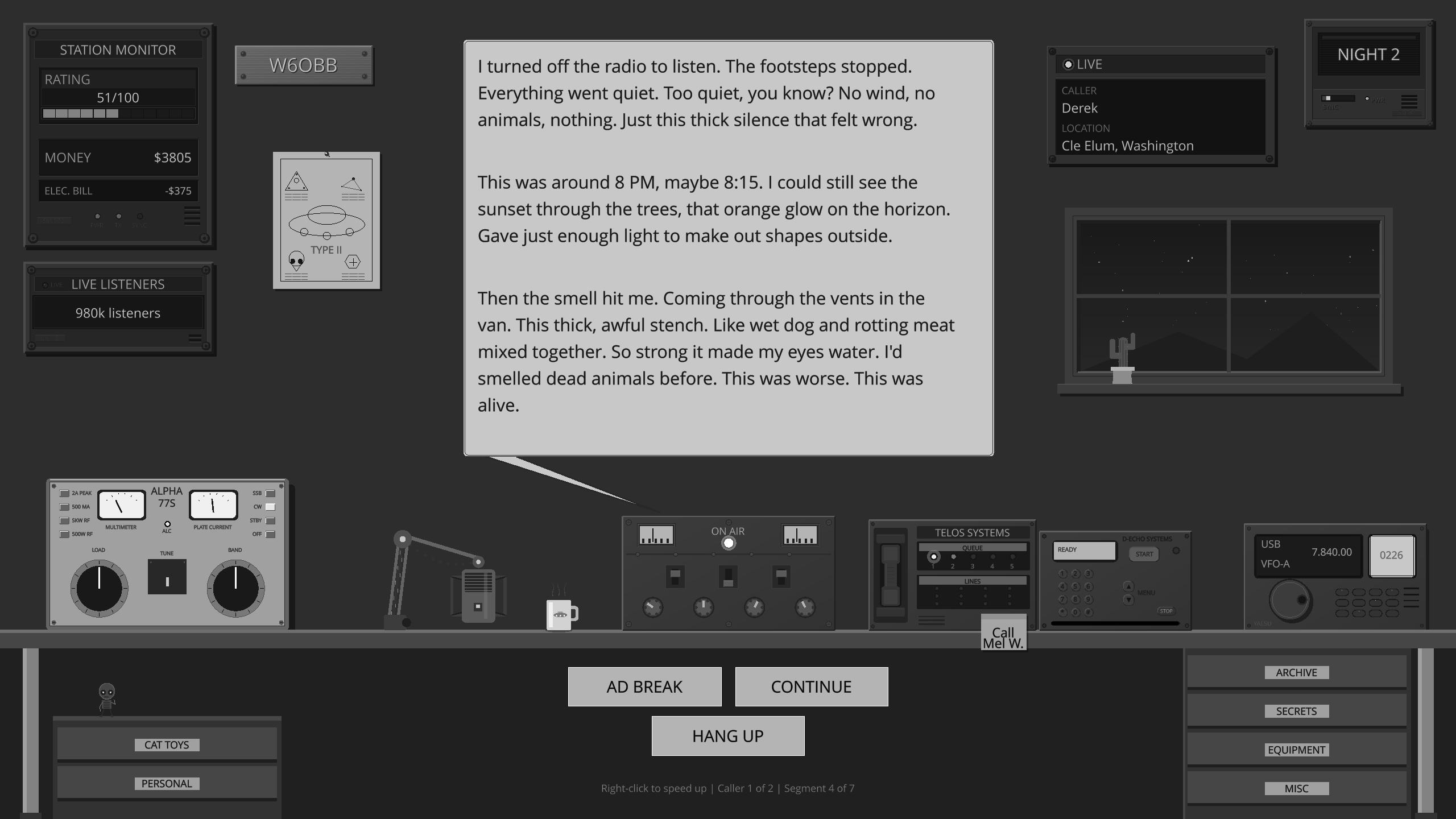
Ever wanted to host your own late-night paranormal radio show?
Across the Airwaves
You're on the air. Callers bring Mothman, Fresno Nightcrawlers, UFO sightings, reptilian autopsies, and whispers about AATIP and Project Blue Book. Every reply shapes how the night goes.

AI-Generated Summary
A 1946 field report by Lieutenant Karl-Gösta Bartoll details a search for metallic objects in Kölmjärv using electrical resistance measurements. The search concluded that no significant metallic objects were present, though the author noted limitations regarding small or round objects.
This document is a field report dated August 10, 1946, authored by Lieutenant Karl-Gösta Bartoll regarding search operations conducted at Kölmjärv. The report details the methodology used to search for metallic objects, which included measuring the electrical resistance of the lake bottom at half-meter intervals. This technique was employed because electrical resistance decreases significantly in the presence of metallic objects between the electrodes. The author notes that the bottom conditions were carefully checked and that the results were documented in diagrams provided in an enclosure. The search also included a reconnaissance of the lake's outlet to determine the feasibility of draining the lake, and a survey of the surrounding terrain to the east to check for evidence of a projectile that might have ricocheted off the bottom or water surface. The final conclusion states that it can be determined with high certainty that no metallic objects with a surface area larger than 0.25 square meters are present in the searched area. The author qualifies this by noting that the detection equipment is most effective for objects with length, and that smaller objects or round objects might have been missed. Furthermore, the report acknowledges that non-metallic objects could have remained undetected.
Inom genomsökt område kan med största säkerhet fastslås att metallföremål med en uppifrån sett större yta än 0,25 m2 icke finnas och troligen icke heller betydligt mindre föremål, såvida de ej äro runda.
PDF not loading? Download the PDF directly
Official Assessment
It can be stated with the greatest certainty that no metallic objects with a surface area greater than 0.25 square meters exist in the searched area, and likely no significantly smaller objects either, unless they are round.
The search of the lake bottom and surrounding terrain yielded no evidence of metallic objects. The equipment used was effective for detecting metallic objects with length, but non-metallic objects or small round metallic objects could have gone undetected.